

Rated 4.9 on Google

Back to Blog
Why Coastal Maryland Weather Can Damage Electrical Systems
April 29, 2026
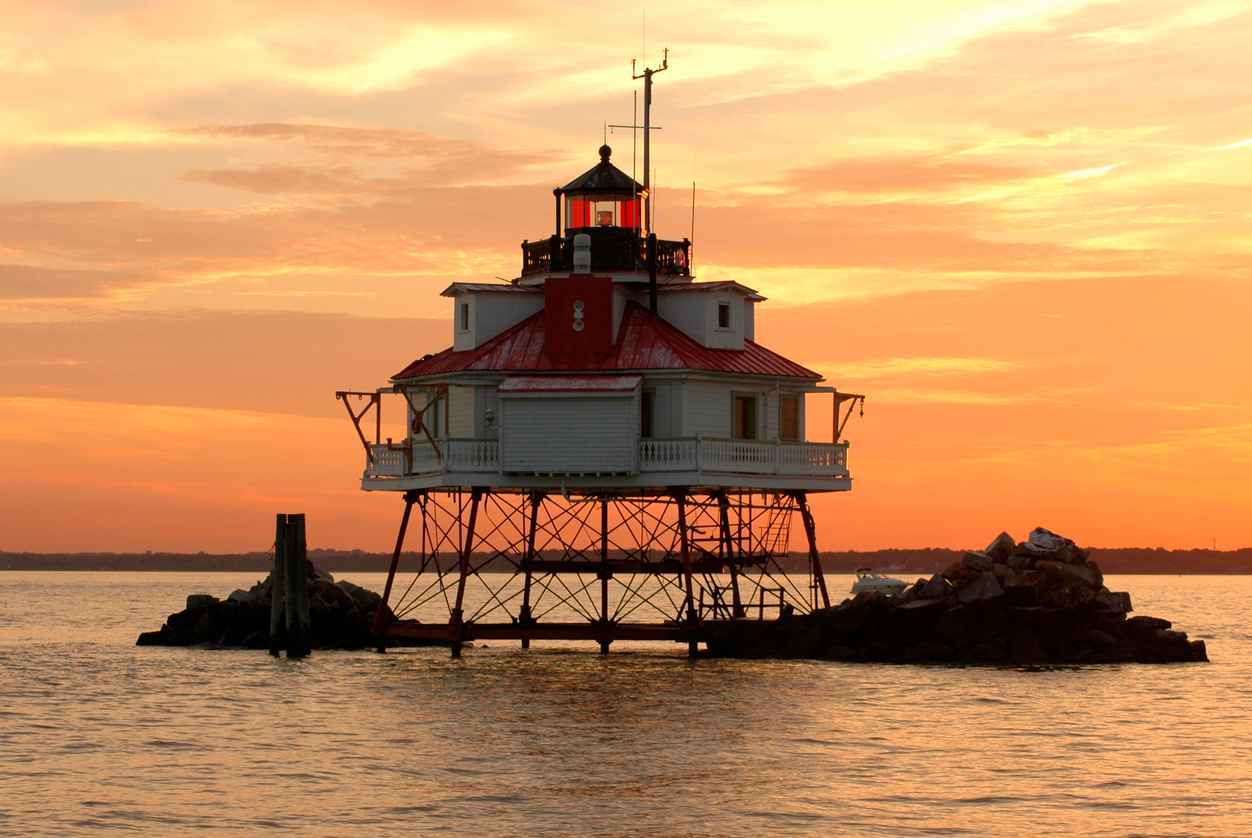
Maryland is defined by its relationship with the water. From the historic docks of Annapolis to the quiet reaches of the Eastern Shore, the Chesapeake Bay is our greatest neighbor. However, for a homeowner, the Bay is also a source of constant environmental stress. Coastal weather in the Mid-Atlantic is not just a backdrop for weekend sailing; it is a powerful chemical and mechanical force that targets the most sensitive infrastructure in your home: your electrical system.
At Chesapeake Electric, we have spent years diagnosing and repairing the specific damage caused by our maritime climate. As we move through the spring of 2026, a series of high-intensity storms and rising humidity levels have already put thousands of Maryland homes to the test. Understanding why coastal weather is so aggressive toward your electricity is the first step in protecting your property from fire hazards and expensive system failures.
This guide explores the unique challenges of the Maryland coast and how the “Chemistry of the Chesapeake” can compromise your home’s electrical integrity.
The Chemistry of the Chesapeake: Salt as a Conductor
If you live within a few miles of the water, whether it is the Severn River, the Magothy, or the Bay itself, your home is constantly enveloped in a fine, microscopic mist of saltwater. This saline air is heavy with chloride ions, which are incredibly aggressive toward metals like copper, aluminum, and steel.
The Electrolyte Effect
Salt is a powerful electrolyte. When salt particles settle on the metal bus bars and wire connections inside your electrical panel, they draw moisture out of the air. This creates a highly conductive and corrosive film. Unlike fresh water, saltwater allows electricity to travel across surfaces where it doesn’t belong. This leads to tracking, where electricity finds an unintended path during a damp, humid day, potentially causing arcing and electrical fires.
Accelerated Oxidation
This salt film triggers a chemical reaction that eats away at the protective layers of your electrical components. On copper wires, you will see a green, powdery substance known as verdigris. On steel panel boxes, it manifests as traditional red rust. This is not just an aesthetic issue; corrosion creates a layer of “junk” between your electrical connections. Electricity struggles to flow through this buildup, creating resistance. In the electrical world, resistance equals heat, and heat is the primary cause of electrical component failure.
The Humidity Factor: Why Interior Panels Aren’t Safe
Many Annapolis homeowners believe that because their service panel is located inside a garage or a basement, it is shielded from the coastal elements. In Maryland, high humidity levels, which frequently exceed 80 percent, ensure that the salt air finds its way indoors.
Condensation Cycles
Moisture travels through your home’s natural ventilation, often following the path of conduit pipes and service entrance cables. As the temperature shifts between hot Maryland afternoons and cooler nights, moisture condenses inside the cool metal enclosure of your electrical panel. This creates a “micro-greenhouse” effect where your breakers and bus bars are sitting in a perpetually damp, salty environment.
At Chesapeake Electric, we frequently see panels in Eastport and the Historic District that look like they have been submerged in the Bay, even though they have stayed perfectly dry on the outside. This internal corrosion can cause breakers to seize, meaning they may fail to trip during an overload, removing your home’s most important safety net.
Saturated Soil and the “Root Shock” Phenomenon
The spring of 2026 has already brought significant rainfall to Anne Arundel and Howard Counties. When the soft soil of our coastal region becomes saturated, it creates a unique hazard for the power grid.
Saturated Shock
When heavy rain is accompanied by the 70 to 80 mph wind gusts common in Chesapeake spring storms, the root systems of our mature trees can no longer hold. As trees fall on power lines, they don’t always just cut the power. They often cause massive voltage fluctuations as the grid attempts to reroute electricity.
These fluctuations send power surges into your home that can bypass your main breaker and head straight for your sensitive electronics. Without whole-home surge protection, which is now a requirement under the 2026 National Electrical Code (NEC), a single falling tree three streets away can fry your high-efficiency refrigerator or your home office setup.
Pier Power: The Most Exposed Circuit
For our neighbors with waterfront property, the electrical challenges are doubled. Docks and boat lifts are in the direct line of fire for rising tides, salt spray, and storm surges.
GFCI Compromise
Rising tides and saturated salt air can compromise the ground fault circuit interrupters (GFCIs) on your pier. These safety devices are designed to shut off power instantly if they detect electricity leaking into the water. However, the internal mechanisms of a GFCI are incredibly delicate. Salt-air corrosion can cause them to “stick” in the on position. In a coastal environment, a faulty GFCI on a dock is a life-safety risk, as it can lead to electric shock drowning (ESD) in the water surrounding the pier.
5 Signs Your Electrical System is Suffering from Coastal Damage
How do you know if the Maryland weather has already started to compromise your home? Look for these red flags:
- Flickering Lights During Storms: While some flickering is common, frequent dimming during wind events indicates that your service entrance cables or panel connections are loose or corroded.
- The Smell of Ozone: A faint, metallic burning smell near your electrical panel is a sign of “arcing,” where electricity is jumping across a corroded connection.
- Rust on Breakers: If you open your panel door and see red rust on the metal or green powder on the wires, the salt air has already breached your home’s defenses.
- Tripping GFCIs: If your outdoor or kitchen outlets trip every time it rains, moisture is entering the housing and creating a ground fault.
- Warm Panel Cover: If the front of your electrical panel feels warm to the touch, it is a sign of resistance and heat buildup caused by internal corrosion.
The Chesapeake Electric Strategy: Protecting Your Infrastructure
At Chesapeake Electric, we don’t just fix problems; we engineer solutions for the Maryland climate. Protecting a coastal home requires a proactive, layered defense.
- Whole-Home Surge Protection: We install Type 1 and Type 2 surge protectors that act as a “moat” around your home, diverting external spikes from storm-damaged lines safely into the ground.
- Panel Modernization: For older Annapolis homes, we recommend upgrading to modern panels with superior sealing and corrosion-resistant components.
- Pier Power Safety Audits: We specialize in waterfront electrical safety, ensuring your dock lighting, boat lifts, and GFCIs are “Storm-Ready” and fully compliant with the latest maritime safety codes.
- Corrosion-Resistant Hardware: Whenever we perform a repair or upgrade near the water, we use specialized hardware and coatings designed to withstand the “Chemistry of the Chesapeake.”
Respect the Bay, Protect Your Home
The Chesapeake Bay is a beautiful part of our lives, but it is a relentless environment for your home’s infrastructure. By recognizing how salt air, humidity, and saturated soil impact your electrical system, you can take the steps necessary to ensure your family stays safe and your electronics stay protected. Don’t wait for a “Chesapeake rumble” to find out your system is compromised.
Is your home storm-ready? Contact Chesapeake Electric today to schedule your electrical service and protect your home from the hidden damage of Maryland weather!
Recent Posts
5 Electronics and Appliances You’ll Want Protected From Fall Power Surges
September 22, 2026
September 22, 2026

Are Your Walkways Too Dark? Fall Outdoor Lighting Tips for Maryland Homeowners
September 22, 2026
September 22, 2026
5 Signs Your Standby Generator Needs Service Before a Maryland Winter
September 22, 2026
September 22, 2026

Best Outdoor Lighting for Maryland Homes: A Guide to Landscape, Security, and Waterfront Lighting
August 31, 2026
August 31, 2026
Best Smart Home Upgrades for Maryland Homeowners: Where to Start
August 31, 2026
August 31, 2026
How Long Can a Whole-Home Generator Run During a Power Outage in Maryland?
August 31, 2026
August 31, 2026
Does Your Maryland Home Need a Service Panel Upgrade for an EV Charger?
July 30, 2026
July 30, 2026