

Rated 4.9 on Google

Back to Blog
Electrical Inspections Before Buying a Historic Annapolis Home
May 28, 2026
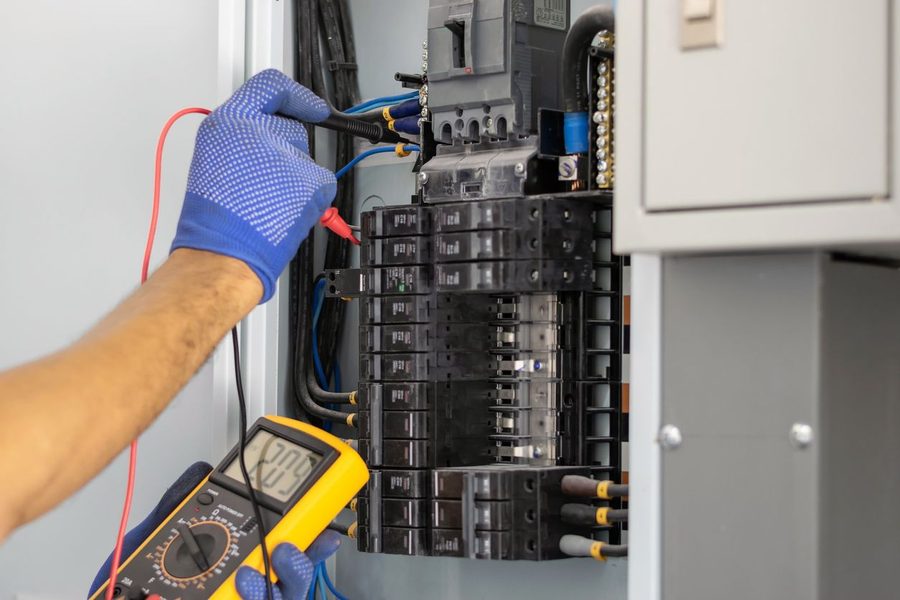
Annapolis is a city defined by its timeless architectural heritage. Walking through the brick-lined streets of the Historic District, downtown, or the neighborhoods surrounding the Maryland State House feels like stepping directly into a living museum. From grand Georgian estates and federal-style row houses to charming maritime cottages, our historic housing stock gives the community its unique soul. For many buyers, purchasing one of these historic properties is a lifelong dream.
However, buying a home built in the 18th, 19th, or early 20th century requires a completely different level of due diligence than purchasing a modern suburban home. While you might fall in love with original heart-pine flooring, hand-carved mantels, and historic masonry, you must look closely at what is hidden out of sight behind the lath-and-plaster walls.
Among the various infrastructure networks in an older home, the electrical system is often the most critical liability. A standard home inspector is a generalist who simply checks if lights turn on and outlets function. They lack the specialized diagnostic tools and training required to evaluate the safety and capacity of historical wiring. At Chesapeake Electric, our electricians have spent over a decade inspecting, safeguarding, and modernizing the power grids of Annapolis’s most treasured historic structures. This guide breaks down exactly why a dedicated historic electrical inspection is an absolute necessity before you sign the closing papers on your new property.
The Core Vulnerabilities of Historic Annapolis Power Systems
When an electrical system was originally installed in an older Annapolis residence, it was engineered to meet the minimal power demands of that specific era. A century ago, a home’s entire electrical load consisted of a few light bulbs and a radio. Today, that identical infrastructure is forced to support high-amperage continuous loads from high-efficiency variable-speed air conditioners, electric vehicle charging stations, hot tubs, computers, and multi-zone kitchen appliances. This massive technological gap creates severe physical strain on aging components.
1. The Long-Term Menace of Knob and Tube Wiring
If the home you are eyeing was constructed between the late 1880s and the 1940s, there is a high probability that it still contains remnants of knob and tube wiring. This was the earliest standardized form of residential electrical distribution, utilizing single-insulated copper conductors supported by porcelain knobs and guided through ceramic tubes where wires passed through structural wood framing.
While revolutionary for its time, knob and tube wiring carries extreme safety risks today:
-
Complete Lack of a Grounding Path: Unlike modern three-wire systems, knob and tube utilizes only a hot and a neutral wire. It completely lacks a grounding path, meaning excess electricity has no safe route to flow down into the earth during a surge or equipment fault, drastically increasing your risk of electrocution and equipment damage.
-
Brittle and Decaying Insulation: The original insulation wrapping these wires was composed of cotton cloth and vulcanized rubber. Over eighty to one hundred years, the oxygen and ambient heat inside your wall cavities cause this insulation to dry out, crumble, and fall away, leaving completely bare copper conductors exposed directly against old timber framing.
-
The Insulation Overheating Conflict: Modern energy efficiency upgrades often involve blowing loose cellulose or fiberglass insulation into empty wall cavities and attic floors. However, knob and tube wiring was designed to run through completely open air voids to allow heat to dissipate naturally. When you pack insulation tightly around active knob and tube lines, the wires overheat rapidly, creating a severe fire hazard.
2. The Trap of Layered and Patchwork Renovation Wiring
Over the course of a century, a historic Annapolis home will inevitably pass through dozens of different owners and modern renovation phases. During our inspections, we frequently discover what our master electricians call layered wiring. This occurs when an amateur installer or unlicensed handyman splices modern plastic-sheathed Romex cable directly into ancient cloth-insulated or knob-and-tube wiring inside a hidden junction box behind a wall. These improper, code-defying splices create loose connections that generate intense localized heat, smoldering quietly for years before igniting a structural fire.
3. Outdated, Undersized, and Fabricated Service Panels
The service panel is the brain of your home’s power grid. In many older properties near the water, that brain is dangerously out of date.
-
Legacy Fire Hazards: We frequently encounter obsolete electrical panels manufactured by condemned legacy brands like Federal Pacific Electric (FPE), Stab-Lok, Zinsco, or Sylvania. These specific panels feature known manufacturing flaws where the circuit breakers frequently lock up and completely fail to trip during a genuine short circuit or overcurrent event.
-
Amperage Starvation: Many historic Annapolis homes still operate on legacy 60-amp or 100-amp electrical main capacities. In 2026, these systems are completely inadequate. Forcing a modern household to pull 200 amps of daily electrical demand through a 60-amp panel forces the system to operate under extreme friction, creating continuous thermal stress across your main bus bars.
The Marine Accelerant: The Hidden Impact of Salt Air
Our close proximity to the Chesapeake Bay and the Severn River is exactly what makes Annapolis living so magical, but our coastal atmosphere is a direct enemy of electrical components. Salt-heavy marine air carries high concentrations of moisture and sodium, which find their way into exterior service entrance cables and electrical boxes.
Salt air accelerates the oxidation and pitting of copper and aluminum terminal connections. When oxidation builds up inside a service panel, it acts as a high-resistance barrier to the flow of electricity. This resistance forces your circuits to work significantly harder, creating hot spots that can cause sudden arc faults, flickering room lights, and partial power outages without ever drawing enough raw amperage to trip the main breaker. Our specialized inspections focus heavily on identifying this invisible coastal corrosion before it results in total equipment failure.
Modern Standards: What Is Missing in Historic Infrastructure?
A comprehensive historic electrical inspection from Chesapeake Electric evaluates how well the home can protect your family from routine hazards. Older homes were constructed long before modern safety code devices were engineered.
-
Lack of Ground Fault Circuit Interrupter (GFCI) Protection: Current National Electrical Code mandates that all outlets located within six feet of a water source, such as kitchens, bathrooms, wet bars, and unfinished basements, must feature GFCI protection. These devices monitor current balances and cut power in a fraction of a second if a water contact short circuit occurs, preventing lethal shocks.
-
Lack of Arc Fault Circuit Interrupter (AFCI) Protection: AFCI breakers are designed to detect a dangerous micro-spark jumping between two damaged or loose wires behind a wall. This protection is incredibly vital for historic homes where original cloth insulation may be fraying or chewed by rodents over the decades.
Balancing Safety with Architectural Preservation
Modernizing the power grid of a historic estate requires a delicate balance between absolute safety and architectural respect. In designated historic zones throughout Annapolis, structural modifications visible from a public right-of-way face intense regulatory scrutiny. You cannot simply run metal conduits across the exterior facade of a historic home or stick an ugly modern electrical meter in a prominent architectural spot without violating local historic preservation guidelines.
Furthermore, historic properties feature irreplaceable finish materials like lath-and-plaster walls, hand-crafted baseboards, and intricate crown moldings. Tearing down these walls to update wiring is a preservation tragedy and an immense financial expense.
At Chesapeake Electric, our technicians are experts in non-destructive historic diagnostics. We utilize advanced thermal imaging infrared cameras to scan your finished plaster walls from the outside. These cameras detect the exact heat signatures of active wiring networks, allowing us to find hidden knob and tube circuits, overloaded junctions, and hot spots without drilling unnecessary holes or damaging original millwork.
Leveraging Your Diagnostic Findings Before Closing
The brief window between making an initial offer and finalizing your real estate purchase is your single best opportunity for financial protection. If our specialized video and thermal inspection reveals that the historic home contains ungrounded circuits, an active knob and tube framework, or a corroded electrical panel, you hold significant leverage.
You can present our fully documented technical report and digital evidence directly to the seller during negotiations. You can require them to have a licensed master electrician completely remediate the hazards before closing, or you can request a substantial financial credit to cover the project costs yourself after taking ownership. If the seller refuses to comply, you retain the complete legal right to walk away from the contract entirely, saving your family from inheriting a massive hidden financial liability.
Protect Your Historic Horizon
Owning a piece of historic Annapolis architecture is an honor that connects your family directly to the rich tapestry of Maryland history. By prioritizing a dedicated, professional historic electrical inspection before you close on your property, you can eliminate dangerous structural risks, protect your family’s safety, and step into homeownership with absolute confidence.
Do not gamble on the safety of your home infrastructure or assume that a standard home inspection is enough to look past your plaster walls. Contact Chesapeake Electric today to schedule a pre-purchase historic electrical evaluation with our local team of certified experts. Let our family serve yours, delivering the reliable, high-quality, and honest solutions that keep our community’s historic landmarks operating safely and beautifully for generations to come.
Recent Posts

Best Outdoor Lighting for Maryland Homes: A Guide to Landscape, Security, and Waterfront Lighting
August 31, 2026
August 31, 2026
Best Smart Home Upgrades for Maryland Homeowners: Where to Start
August 31, 2026
August 31, 2026
How Long Can a Whole-Home Generator Run During a Power Outage in Maryland?
August 31, 2026
August 31, 2026
Does Your Maryland Home Need a Service Panel Upgrade for an EV Charger?
July 30, 2026
July 30, 2026

Coastal Humidity & Energy Bills: Smart Home Automation for Maryland Homes
July 29, 2026
July 29, 2026
Navigating Chesapeake Bay Tides: Code-Compliant Pier Power Installation in Maryland
July 29, 2026
July 29, 2026
Smart Electrical Panels vs. Traditional Panels: Are They Worth the Upgrade?
June 18, 2026
June 18, 2026