

Rated 4.9 on Google

Back to Blog
Outdoor Electrical Installations Near the Chesapeake Bay: What Homeowners Should Know
June 18, 2026
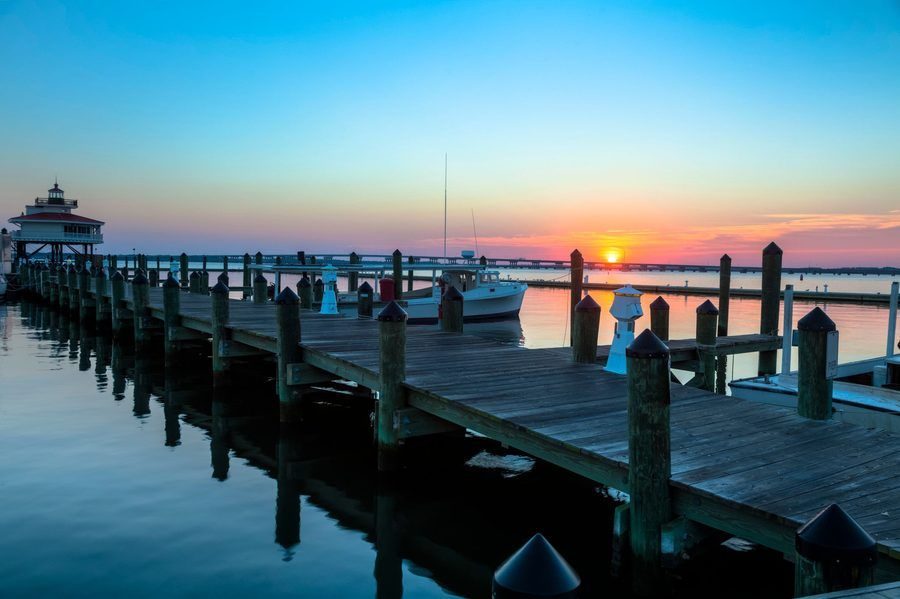
The visual appeal of living along the Chesapeake Bay is matched by the environmental intensity of the coastal landscape. Property owners throughout Maryland shoreline communities understand that brackish water, heavy coastal winds, and dense morning fog create a highly demanding environment for residential structures. While standard building materials require regular maintenance to survive the elements, your exterior electrical infrastructure faces a much more aggressive threat. Marine air carries a high concentration of airborne chloride ions, converting simple moisture into a highly conductive, corrosive electrolyte that targets metal electrical components the moment they are installed.
When setting up outdoor lighting grids, dock power pedestals, or open-air kitchen spaces along the bay, standard residential installation methods are entirely insufficient. Utilizing baseline materials engineered for inland suburbs inside a coastal salt zone triggers rapid equipment failures, short circuits, and severe shock hazards. Managing an outdoor electrical network along the water requires a strict understanding of specialized marine-grade hardware, advanced insulation boundaries, and the latest safety codes. Chesapeake Electric brings extensive experience designing code-compliant coastal electrical networks across Annapolis and surrounding shoreline communities, ensuring your outdoor investments survive the elements. This guide highlights the critical environmental factors and installation rules necessary to protect your property’s shorelines.
The Chemistry of Coastal Destruction: Salt Air and Electrical Metals
Outdoor electrical failure on a coastal property rarely happens overnight. Instead, the combination of high humidity and airborne salt creates a slow-motion breakdown that quietly compromises the safety shields of your property wiring long before a breaker trips.
Warning Signs of Active System Oxidation
Understanding how salt interacts with electrical connections helps you notice hidden infrastructure failures during a basic walk of your property boundary lines:
-
Verdigris Copper Accumulation: When bare copper wires are exposed to salt air, they oxidize rapidly, forming a crusty green powder known as verdigris. This buildup increases electrical resistance, generating heat and causing connections to melt.
-
Seized Circuit Breaker Switches: Internal metallic spring components inside outdoor boxes can rust solid when exposed to damp, salt air. This mechanical lock prevents the breaker from tripping during a short circuit, creating a fire hazard.
-
Bus Bar Metal Pitting: The solid metal tracks that distribute high-voltage power inside your service boxes can develop microscopic craters from ongoing chemical exposure, structurally thinning the metal and reducing current capacity.
-
Acrid Metallic Odors: Corroded wire junctions that are struggling to pass current through oxide scale generate intense heat, melting nearby plastic insulation sleeves and releasing a distinct fishy smell.
Structural Protections: Navigating Enclosures and Marine-Grade Hardware
Standard outdoor electrical boxes utilize basic painted sheet steel that rusts apart within a few seasons of direct bay exposure. Defending a shoreline property requires upgrading to advanced materials engineered to block moisture and neutralize airborne chlorides.
Advanced Barriers and Weatherproof Enclosures
Safeguarding your connection terminals involves selecting heavy-duty hardware paths designed to survive constant exposure to high-pressure winds and splashing salt water:
-
High-Grade Polycarbonate NEMA 4X Enclosures: Transitioning from thin metal connection boxes to high-impact fiberglass or polycarbonate NEMA 4X enclosures provides a non-rusting shell that is completely impervious to salt spray.
-
Tinned Copper Stranded Conductor Lines: Standard residential installations utilize solid bare copper wires, which crack under coastal ground shifting. High-durability marine lines utilize individual strands coated in a microscopic layer of tin, blocking oxidation.
-
Dielectric Antioxidant Grease Seals: Applying a specialized, airtight compound directly across exposed wire terminations fills the microscopic gaps between metal joints, preventing oxygen and moisture from touching the line.
-
Vapor Corrosion Inhibitor Emitter Caps: Placing small, chemical-releasing capsules inside sealed exterior panels creates a molecular protective layer that floats over internal circuitry, actively blocking salt film formation.
Waterfront Infrastructure Safety Mandates
Installing electrical components directly over or adjacent to water lines introduces an extreme shock hazard that demands the highest level of mechanical safety intervention. Docks, piers, and boat lift installations must satisfy strict safety requirements to protect swimming families and boat operators from stray current.
Critical Protection Rules for Docks and Boat Lifts
Every component routing power down a residential pier must feature highly sensitive safety switches designed to cut off high-voltage current within milliseconds of detecting a minor power leakage:
-
Mandatory Emergency Outdoor Disconnects: National electrical safety codes require a clearly labeled, readily accessible main power disconnect switch located on high ground before the wiring pathways transition onto a floating dock structure.
-
Liquidtight Flexible Non-Metallic Conduit Routing: Running underwater or under-dock wire lines through rigid steel pipes leads to rapid rusting. Utilizing heavy-walled vinyl liquidtight conduit creates a flexible, seamless barrier that keeps lines dry.
-
Regular Structural Grounding Audits: All metal components on a boat lift, including aluminum framing rails and motor housings, must be securely connected to a central grounding loop to prevent stray current from leaking into the surrounding water.
-
In-Use Weatherproof Receptacle Assemblies: Any convenience outlet installed on a pier must feature a heavy-duty, lockable box that stays completely sealed against wind-driven rain even while an appliance cord is actively plugged into the socket.
Satisfying Modern National Safety Code Updates
Electrical codes undergo regular updates to address emerging safety risks associated with modern residential equipment. Homeowners upgrading their coastal properties must ensure their new installations satisfy current safety benchmarks to pass inspection and secure property insurance approvals.
Advanced Shock and Fire Protection Compliance
Modern safety codes require all outdoor electrical systems serving residential properties to integrate highly advanced fault monitoring hardware to protect occupants from severe injury:
-
Comprehensive Outdoor HVAC GFCI Protection: National building codes require all newly installed outdoor air conditioning condensers and heat pump units to feature dedicated ground-fault circuit interrupter protection to eliminate chassis shock risks.
-
Heavy-Duty Alternative Vehicle Infrastructure Listing: Installing an alternative vehicle charging station in an outdoor driveway or open-air carport requires utilizing hardware listed for wet locations, backed by dedicated shock monitoring switches.
-
Arc Fault Circuit Interrupter Branch Upgrades: Exterior lighting lines running close to structural wood decking must be protected by advanced arc-fault breakers that scan the line for micro-sparking, cutting power before wood can ignite.
-
Tamper-Resistant, Weather-Resistant Duplex Receptacles: Exterior wall outlets must feature internal safety shutters that block foreign objects, stamped with a distinct weather-resistant rating that proves the internal plastic elements will not degrade under solar UV exposure.
Schedule an Advanced Coastal Assessment with Chesapeake Electric
Protecting an outdoor electrical grid from salt-air corrosion and intense weather requires specialized testing tools and certified field experience. The licensed electrical specialists at Chesapeake Electric possess extensive expertise in designing, installing, and modernizing waterfront electrical systems across Annapolis and the surrounding Maryland shoreline communities. Whether your goal is to install code-compliant shore power pedestals down your private dock, mount a high-security LED lighting network across your waterfront patio, or audit an existing exterior panel for hidden salt damage, our team delivers transparent evaluations and professional workmanship.
Contact our team today to arrange a coastal safety consultation.

Recent Posts
5 Electronics and Appliances You’ll Want Protected From Fall Power Surges
September 22, 2026
September 22, 2026

Are Your Walkways Too Dark? Fall Outdoor Lighting Tips for Maryland Homeowners
September 22, 2026
September 22, 2026
5 Signs Your Standby Generator Needs Service Before a Maryland Winter
September 22, 2026
September 22, 2026

Best Outdoor Lighting for Maryland Homes: A Guide to Landscape, Security, and Waterfront Lighting
August 31, 2026
August 31, 2026
Best Smart Home Upgrades for Maryland Homeowners: Where to Start
August 31, 2026
August 31, 2026
How Long Can a Whole-Home Generator Run During a Power Outage in Maryland?
August 31, 2026
August 31, 2026
Does Your Maryland Home Need a Service Panel Upgrade for an EV Charger?
July 30, 2026
July 30, 2026