

Rated 4.9 on Google

Back to Blog
Navigating Chesapeake Bay Tides: Code-Compliant Pier Power Installation in Maryland
July 29, 2026
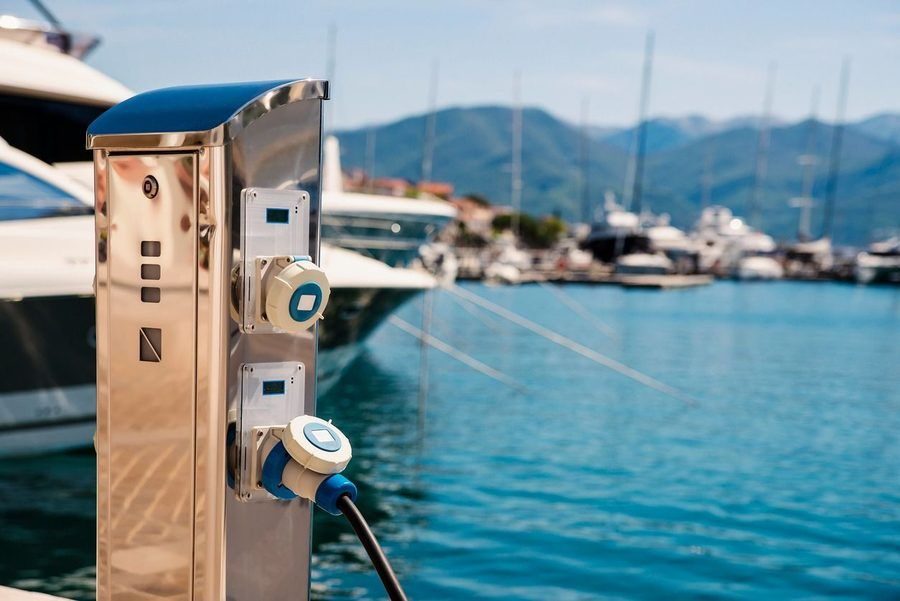
Living along the Chesapeake Bay, whether on the Severn River, Eastern Shore, or the South River, comes with incredible waterfront perks. Having a private pier at the end of your yard is the gateway to weekend boating, crab pots, and sunset views. But when you want to power a heavy boat lift, install night lighting, or add shore power receptacles to your dock, you face an environmental and technical challenge: brackish water, extreme tidal swings, and rigorous electrical safety codes.
Running power over water is very different from standard home wiring. Electricity and water are a lethal mix, and the Chesapeake Bay’s fluctuating tides demand precise electrical engineering. Chesapeake Electric specializes in high-durability, code-compliant marine electrical installations for private piers, boat lifts, and docks across Maryland. This guide breaks down what it takes to power your waterfront property safely, legally, and reliably.
The Danger: Electric Shock Drowning (ESD)
Before diving into hardware, it is critical to understand the primary threat in marine wiring: Electric Shock Drowning (ESD). ESD occurs when stray electrical current leaks from a dock or boat into the surrounding water. In fresh or brackish water, the human body is more conductive than the water itself. When a person swims through stray current, the electricity causes total muscle paralysis, leading to drowning.
Because the Chesapeake Bay’s salinity fluctuates with rainfall and tidal shifts, its conductivity changes constantly. To eliminate ESD risks, national and local Maryland building codes strictly regulate dock wiring.
Calculating the Electrical Datum Plane
The single most important technical measurement in marine electrical design is the Electrical Datum Plane. Defined by NEC Article 555, this imaginary horizontal line sets the strict boundary below which no non-submersible electrical equipment (junction boxes, disconnect switches, transformers, or receptacles) can be installed.
In areas subject to tidal fluctuations like the Chesapeake Bay, the electrical datum plane sits exactly 2 feet above the highest normal high tide level.
-
Fixed Piers: Receptacles and junction boxes must be mounted at least 12 inches above the pier deck and never below the 2-foot datum plane line.
-
Floating Docks: Because floating docks rise and fall, the datum plane moves, requiring specialized flexible wiring methods and elevated mounting posts to prevent components from going underwater during King Tides or storm surges.
Advanced Ground-Fault Protection (NEC Article 555)
Standard household GFCI outlets are designed to trip at 4 to 6 milliamperes (mA) to protect an individual from a direct shock. Dock feeder circuits and boat lift supply lines require a multi-tiered layer of protection.
Under current NEC Article 555 requirements:
-
Feeder Circuits: The main feeder breaker on land that supplies power out to the pier must be equipped with Ground-Fault Protection of Equipment (GFPE) set to trip at no higher than 30 mA. This stops leakage current from entering the bay before it creates a hazard.
-
Shore Power Receptacles: Outlets supplying boat shore power require dedicated 30 mA ground-fault breakers.
-
Standard Outlets & Lighting: Standard 120V convenience outlets on the pier for tools, chargers, or fish-cleaning stations require standard 5 mA GFCI breaker protection.
Conduit, Cabling, and Corrosion Resistance
The salt air, UV exposure, and constant moisture around the Chesapeake Bay will destroy standard residential wiring in short order. Code-compliant pier installations demand specialized, marine-grade materials:
-
Conduit Protection: Wiring running along land out to the dock must be buried in Schedule 80 PVC or rigid non-metallic conduit, buried to proper code depths.
-
Under-Pier Cabling: Cables attached under the pier decking must be extra-hard usage, sunlight-resistant, and listed for wet/marine environments. They must be supported using non-metallic or 316-grade stainless steel straps to prevent corrosion failure.
-
Enclosures: All junction boxes, disconnect switches, and outlets mounted on the pier must carry NEMA 4X weather-proof, corrosion-resistant ratings.
Boat Lift Wiring and Disconnect Controls
Adding a heavy-duty electric boat lift requires careful load calculations and dedicated circuits. Boat lifts feature high-starting-torque electric motors that pull heavy initial currents.
-
Dedicated Emergency Disconnect: Maryland code requires a clearly labeled, readily accessible emergency power disconnect switch located on land within line-of-sight of the pier entrance. In an emergency, turning this switch isolates all power to the dock instantly.
-
Voltage Drop Calculations: Because private piers often extend 100 to 300+ feet out into the water from the main house, long wire runs suffer from voltage drop. If wire gauges are too thin, the motor on your boat lift will suffer from low voltage, leading to motor burnout and erratic operation. Sizing wire for long marine runs is a vital calculation handled by licensed electricians.
Navigating Permits and Environmental Oversight
Installing electrical power on a pier in Maryland involves navigating local county building departments (such as Anne Arundel, Queen Anne’s, or Calvert County) and ensuring compliance with the Maryland Department of the Environment (MDE) critical area buffers.
Attempting DIY wiring or hiring an uncertified contractor can lead to failed county inspections, forced removal of equipment, severe insurance liabilities, and dangerous shock risks for your family and guests.
Power Your Pier Safely with Chesapeake Electric
Building or upgrading a pier on the Chesapeake Bay is an investment in your coastal lifestyle. Ensuring your electrical system is code-compliant, properly grounded, and elevated above tidal surges guarantees years of worry-free enjoyment.
The licensed, master electricians at Chesapeake Electric specialize in complete marine and pier electrical services across Maryland. From boat lift installations and dock power pedestals to ambient LED pier lighting and surge-resistant shoreline disconnects, our team handles all engineering, permitting, and high-durability installations.
Bring safe, reliable power to your dock. Contact Chesapeake Electric today or request your waterfront electrical assessment online!

Recent Posts
5 Electronics and Appliances You’ll Want Protected From Fall Power Surges
September 22, 2026
September 22, 2026

Are Your Walkways Too Dark? Fall Outdoor Lighting Tips for Maryland Homeowners
September 22, 2026
September 22, 2026
5 Signs Your Standby Generator Needs Service Before a Maryland Winter
September 22, 2026
September 22, 2026

Best Outdoor Lighting for Maryland Homes: A Guide to Landscape, Security, and Waterfront Lighting
August 31, 2026
August 31, 2026

Best Smart Home Upgrades for Maryland Homeowners: Where to Start
August 31, 2026
August 31, 2026
How Long Can a Whole-Home Generator Run During a Power Outage in Maryland?
August 31, 2026
August 31, 2026
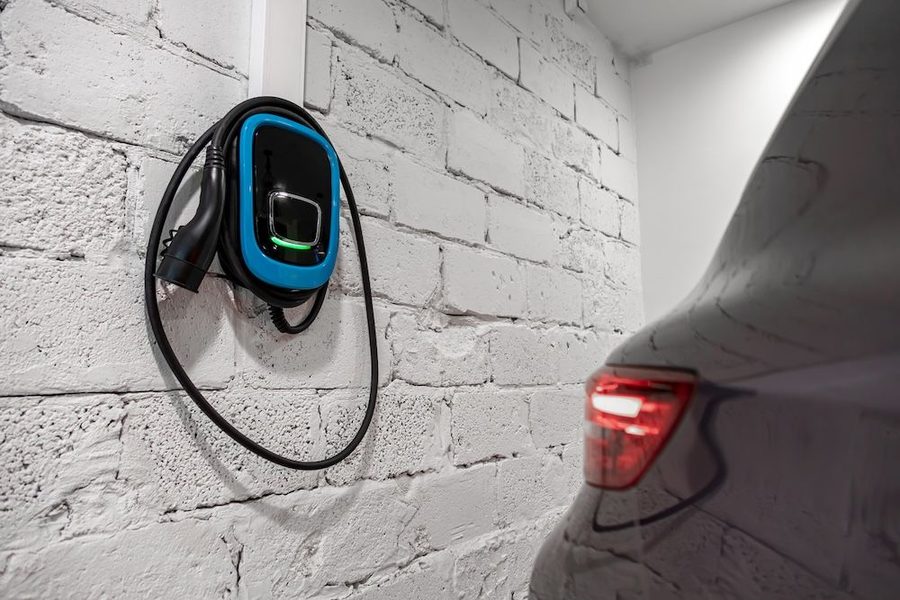
Does Your Maryland Home Need a Service Panel Upgrade for an EV Charger?
July 30, 2026
July 30, 2026