

Rated 4.9 on Google

Back to Blog
5 Smart Home Features That Make Everyday Life Easier for Maryland Homeowners
October 30, 2026
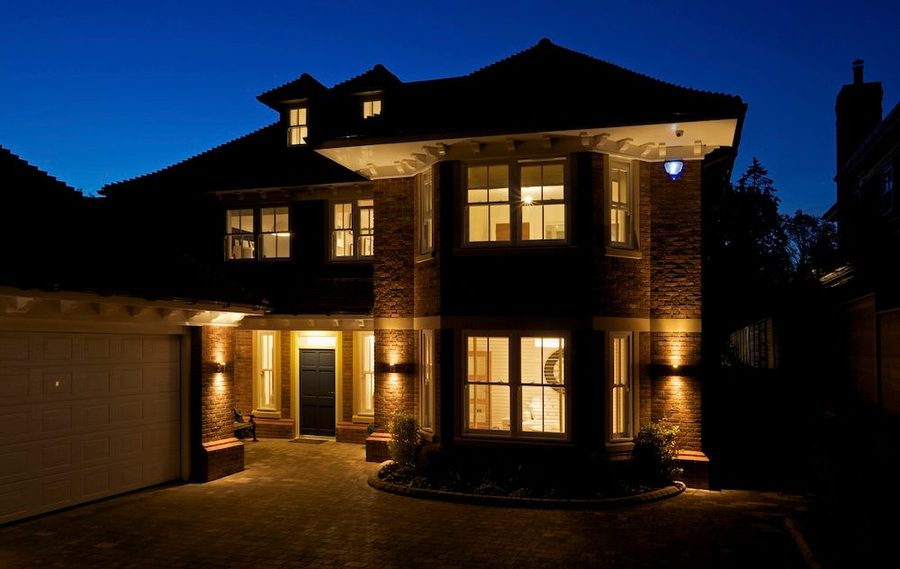
Smart home technology is changing how homeowners manage everyday tasks. From adjusting the thermostat without leaving the couch to automatically turning on outdoor lights, connected devices can make your home more convenient, comfortable, and efficient.
For Maryland homeowners, smart home upgrades can be particularly useful throughout the year. Whether you’re managing indoor temperatures during humid summers, preparing for colder winter weather, or improving household security, smart technology offers practical solutions.
You don’t need a completely automated house to enjoy these benefits. Here are five smart home features worth considering.
How Smart Home Technology Makes Everyday Life More Convenient
Smart home technology makes everyday life easier by allowing homeowners to automate lighting, manage indoor temperatures, monitor security, control compatible electrical devices, and operate household systems remotely.
Many devices connect through smartphone apps, voice assistants, or centralized automation platforms.
Is Smart Home Technology Worth Installing?
Smart home upgrades can provide several advantages:
-
Greater convenience through automated routines
-
More control over household energy usage
-
Improved comfort throughout the year
-
Remote access to compatible devices
-
Customizable schedules
-
Better awareness of household activity
The benefits depend on your home’s electrical system, device compatibility, and how you use the technology.
1. Smart Lighting Makes Everyday Routines Easier
Smart lighting is one of the most practical ways to introduce home automation.
Instead of relying entirely on traditional wall switches, homeowners can control compatible lights remotely or program them to operate automatically.
What Are the Benefits of Smart Lighting?
Smart lighting systems may allow you to:
-
Turn lights on or off using your smartphone.
-
Schedule lighting around your daily routine.
-
Adjust brightness with compatible dimmers.
-
Create customized lighting scenes.
-
Use voice commands with supported devices.
-
Reduce unnecessary electricity use through scheduling.
For example, you can program entryway lights to turn on before arriving home or automatically switch off selected lights at bedtime.
Where Should You Install Smart Lighting?
Smart lighting works well in kitchens, living rooms, bedrooms, hallways, entryways, and outdoor spaces.
Motion-activated lighting can also improve convenience in areas where homeowners frequently enter with their hands full.
Professional installation helps ensure smart switches, dimmers, and lighting fixtures are electrically compatible.
2. Smart Thermostats Help Manage Home Comfort and Energy Use
Maryland experiences hot, humid summers and colder winter temperatures, making indoor comfort an important consideration throughout the year.
Smart thermostats provide additional control over heating and cooling schedules.
Can a Smart Thermostat Help Lower Energy Bills?
A compatible smart thermostat may help homeowners manage energy consumption by:
-
Creating automatic temperature schedules
-
Adjusting settings remotely
-
Reducing unnecessary heating or cooling
-
Using occupancy-based features when available
-
Providing energy usage information on supported models
For example, you can program your thermostat to adjust temperatures while you’re away and return to comfortable settings before you arrive home.
However, actual energy savings depend on your HVAC equipment, thermostat settings, insulation, and household habits.
Before installation, confirm that the thermostat is compatible with your heating and cooling system.
3. Smart Security Features Help You Monitor Your Home
Smart security devices make it easier to stay informed about activity around your property.
Whether you’re working, traveling, or relaxing at home, compatible systems can provide convenient monitoring and notifications.
Which Smart Security Features Are Most Useful?
Popular options include:
Video Doorbells: See visitors and receive notifications when someone approaches your entrance.
Smart Locks: Manage compatible door locks remotely and create access codes for authorized visitors.
Security Cameras: Monitor selected areas around your property through connected devices.
Motion-Activated Lighting: Illuminate entrances, driveways, and walkways when movement is detected.
Connected Alarm Systems: Receive notifications about certain security events.
These features can improve awareness and convenience, although no security system can guarantee protection against every incident.
Homeowners should also review device privacy settings and account security.
4. Smart Plugs and Outlets Give You More Control Over Electrical Devices
Smart plugs and outlets offer a convenient way to automate certain everyday devices without replacing the appliances themselves.
Many models allow homeowners to control connected equipment through smartphone apps or programmed schedules.
What Can You Control With Smart Plugs and Outlets?
Depending on device compatibility, smart plugs can operate:
-
Table lamps
-
Decorative lighting
-
Certain household fans
-
Holiday decorations
-
Small electrical devices approved by the manufacturer
For example, you can schedule decorative lights to turn off automatically at night or control a lamp while you’re away.
Some smart plugs also provide energy monitoring information.
Always check the device’s electrical rating before connecting equipment. High-wattage appliances, including portable space heaters, should not be connected unless the smart plug manufacturer specifically approves that use.
Do You Need an Electrician to Install Smart Outlets?
Plug-in smart adapters generally don’t require electrical installation.
However, replacing a traditional wall outlet with a hardwired smart outlet involves working with electrical wiring.
A qualified electrician can install compatible devices and help ensure the connections meet applicable electrical requirements.
5. Smart Home Automation Connects Your Devices and Daily Routines
Individual smart devices are convenient, but compatible devices can become even more useful when connected through an automation platform.
Home automation allows multiple devices to respond to schedules, commands, or specific conditions.
How Does Smart Home Automation Work?
Consider these everyday examples:
Morning Routine: Bedroom lights gradually brighten while a compatible thermostat adjusts the temperature.
Leaving Home: Selected lights turn off, and supported security features activate.
Evening Routine: Outdoor lighting switches on automatically around sunset.
Bedtime Routine: Compatible lights turn off, selected doors lock, and the thermostat adjusts.
Vacation Mode: Scheduled lighting operates while you’re away.
Available features depend on your devices, network connection, and automation platform.
Choosing compatible products makes it easier to create routines that work together.
What Should Maryland Homeowners Consider Before Installing Smart Home Technology?
Before purchasing smart devices, evaluate your home’s existing electrical system and connectivity.
Not every product works with every switch, fixture, or automation platform.
Do Smart Home Devices Work With Existing Electrical Systems?
Important considerations include:
-
Existing wiring and electrical capacity
-
Neutral-wire requirements for certain smart switches
-
Wi-Fi coverage and reliability
-
Device and platform compatibility
-
Electrical installation requirements
-
Privacy and cybersecurity settings
-
Manufacturer software updates
Some smart devices connect directly to existing outlets, while others require professional wiring modifications.
Can You Upgrade Your Home One Smart Device at a Time?
Absolutely.
Homeowners can begin with a single smart thermostat, lighting control, or connected outlet and gradually add features.
Starting with devices that support the same automation platform can make future upgrades easier.
Smart Home Upgrade Checklist for Maryland Homeowners
Before investing in connected home technology, consider these steps:
-
Identify household tasks you’d like to automate.
-
Choose smart features that match your needs.
-
Check compatibility with existing devices.
-
Evaluate Wi-Fi coverage.
-
Review electrical wiring requirements.
-
Consider energy management features.
-
Enable account security and software updates.
-
Plan for future smart home improvements.
-
Schedule professional electrical installation when necessary.
Make Your Maryland Home Smarter With Chesapeake Electric
Smart home technology can make everyday routines more convenient while providing greater control over lighting, comfort, security, and electrical devices.
Whether you’re interested in automated lighting, smart outlets, or connected home controls, the right upgrades can improve functionality without requiring a complete home renovation.
Professional installation is especially important when smart technology involves electrical wiring, switches, or permanent fixtures.
Chesapeake Electric helps Maryland homeowners improve their living spaces through professional electrical services and smart home upgrades.
From modern lighting controls to electrical improvements that support connected technology, professional guidance can help you select practical solutions for your household.
Contact Chesapeake Electric today to discuss smart home installation and electrical upgrades that can make your Maryland home more convenient, comfortable, and connected.
Recent Posts
7 Signs Your Maryland Home Needs an Electrical Panel Upgrade Before Winter
October 30, 2026
October 30, 2026
Can Recessed Lighting Make Your Maryland Home Look Bigger? 7 Benefits of Upgrading Your Lighting
October 30, 2026
October 30, 2026
5 Electronics and Appliances You’ll Want Protected From Fall Power Surges
September 22, 2026
September 22, 2026

Are Your Walkways Too Dark? Fall Outdoor Lighting Tips for Maryland Homeowners
September 22, 2026
September 22, 2026
5 Signs Your Standby Generator Needs Service Before a Maryland Winter
September 22, 2026
September 22, 2026
Best Outdoor Lighting for Maryland Homes: A Guide to Landscape, Security, and Waterfront Lighting
August 31, 2026
August 31, 2026
Best Smart Home Upgrades for Maryland Homeowners: Where to Start
August 31, 2026
August 31, 2026