

Rated 4.9 on Google

Back to Blog
Are Your Walkways Too Dark? Fall Outdoor Lighting Tips for Maryland Homeowners
September 22, 2026
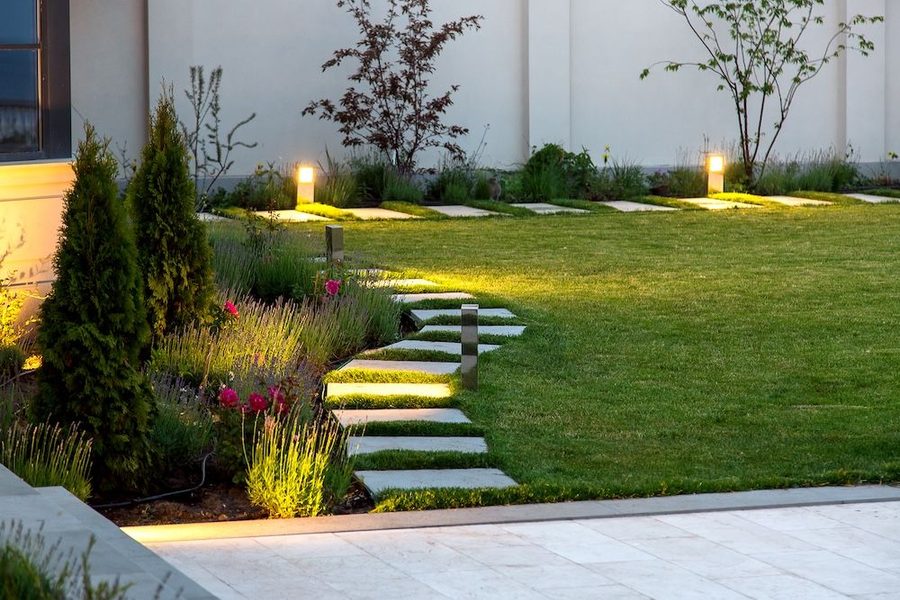
As fall arrives in Maryland, the sun sets earlier and homeowners spend more time coming and going after dark. A walkway that seemed adequately lit during long summer evenings may suddenly reveal dark spots around steps, driveways, entrances, and paths.
Fall is a practical time to evaluate your outdoor lighting before the shorter days and colder weather of winter arrive. The goal is not simply to make your property as bright as possible. Thoughtful outdoor lighting should provide useful illumination where people walk, enter the home, and spend time outdoors while limiting unnecessary glare and light spill.
Why Is Fall a Good Time to Check Your Outdoor Lighting?
Fall is a good time to evaluate outdoor lighting because earlier sunsets make dark areas around walkways, steps, driveways, and entrances easier to identify. Maryland homeowners can use this opportunity to replace failed lights, adjust controls, improve fixture placement, and address electrical problems before winter.
The best way to evaluate your lighting is after sunset. Walk around your property using the routes you, your family, and your guests normally take.
Look for places where it is difficult to see the walking surface, steps, changes in elevation, doors, or other obstacles. These are the areas where improved lighting may be most useful.
1. Start With Your Walkways and Steps
Walkways should be one of the first areas you evaluate because they connect many of the most frequently used parts of your property.
Check the:
-
Front walkway
-
Path between the driveway and house
-
Walkway from a detached garage
-
Side yard paths
-
Backyard paths
-
Gates and side entrances
-
Outdoor steps
Look for significant gaps between illuminated areas. A path may have several lights and still contain dark sections because the fixtures are spaced poorly or aimed in the wrong direction.
Pay Extra Attention to Steps
Changes in elevation can be difficult to see when lighting is limited.
Outdoor lighting around stairs should help people distinguish individual steps and recognize where a staircase begins and ends. Depending on the property, this might involve pathway fixtures, step lights, wall-mounted fixtures, or another appropriately designed solution.
Placement matters. A very bright fixture aimed toward someone’s eyes can create glare without effectively illuminating the walking surface.
2. Make Sure Your Entryways Have Enough Light
Your front door is not the only entrance that needs attention.
Check lighting around:
-
Front doors
-
Back doors
-
Side entrances
-
Garage entrances
-
Porch areas
-
Patio doors
Good entry lighting can make it easier to see locks, keys, packages, visitors, and the transition between indoor and outdoor surfaces.
If an entrance still feels dark even though a fixture is installed, the problem may be its position, light distribution, or output rather than the absence of a light.
3. Check Driveway and Garage Lighting
Driveways can contain surprisingly dark areas once the days get shorter.
Walk the route someone would take after parking a vehicle and heading toward the house. Can you clearly see the driveway surface and path to the entrance?
Garage-mounted fixtures and other area lighting can help illuminate these spaces, but they should be positioned carefully. Poorly aimed fixtures may shine into the eyes of drivers, neighboring properties, or people approaching the home.
A lighting plan should focus illumination where it is useful rather than allowing excessive light to spill in every direction.
4. Use Landscape Lighting Without Overlighting Your Property
Landscape lighting can serve both practical and decorative purposes.
Path Lighting
Path lights can help define walkways through yards and landscaped areas. Proper spacing is important because installing more fixtures does not necessarily produce better lighting.
The goal is to provide enough visual information to follow the path without creating distracting bright and dark patterns.
Accent Lighting
Outdoor lighting can also highlight trees, landscaping, architectural details, and other features.
Accent lighting works best as a complement to functional lighting. A beautifully illuminated tree does not necessarily provide enough light for nearby stairs or a primary walkway.
Reduce Unnecessary Glare
Brighter is not always better when it comes to outdoor lighting.
Shielded fixtures and thoughtful aiming can direct light toward the intended area while limiting glare and unwanted light reaching neighboring properties or the sky.
5. Consider Motion-Sensor Outdoor Lights
Not every outdoor area needs continuous lighting throughout the evening.
Motion-sensor fixtures can be useful around:
-
Driveways
-
Garages
-
Side yards
-
Less frequently used entrances
-
Utility areas
The light activates when the sensor detects movement, providing illumination when the area is being used.
Sensor placement and settings matter. A poorly adjusted motion sensor may repeatedly activate because of passing vehicles, animals, or movement outside the intended detection area.
Motion lighting can supplement other outdoor lighting rather than replacing consistent illumination along every primary walkway or staircase.
6. Use Timers, Photocells, and Smart Lighting Controls
Fall is also a good time to review how your outdoor lights are controlled.
Photocells
Photocells detect surrounding light levels and can automatically operate compatible outdoor lighting as daylight changes.
This can be convenient during fall because sunset continues getting earlier as the season progresses.
Timers
Timers allow lights to follow a schedule. If you use fixed timers, remember to adjust them as daylight hours change.
Smart Lighting Controls
Compatible smart outdoor lighting can offer features such as scheduling, automation, and remote control.
The appropriate control depends on how you use each area. Entry lighting, landscape accent lighting, and motion-activated driveway lighting do not necessarily need to follow the same schedule.
7. Inspect Outdoor Fixtures for Damage
While evaluating your lighting, take a close look at the condition of accessible fixtures.
Watch for:
-
Cracked lenses
-
Loose fixtures
-
Corrosion
-
Water inside fixtures
-
Damaged covers
-
Visible wiring damage
-
Flickering lights
-
Fixtures that repeatedly stop working
Outdoor electrical equipment is exposed to rain, moisture, temperature changes, vegetation, and other environmental conditions.
If you find damaged wiring, water inside electrical components, or recurring electrical problems, have the system professionally evaluated rather than attempting repairs on energized outdoor equipment.
8. Make Sure Your Lighting Is Designed for Outdoor Use
Fixtures and electrical equipment installed outside need to be appropriate for their environment.
Equipment intended for indoor use should not simply be moved outdoors. Outdoor electrical installations may also have different requirements depending on whether equipment is exposed to damp or wet conditions.
Extension cords are another common concern. An outdoor-rated extension cord can be useful for certain temporary applications, but extension cords should not become a permanent replacement for properly installed outdoor wiring.
If your lighting needs have outgrown your existing outdoor electrical system, an electrician can discuss options for permanent fixtures, circuits, receptacles, and controls.
What Color Temperature Is Best for Outdoor Lighting?
There is no single color temperature that is best for every outdoor space.
Warmer-looking light is commonly selected around residential entrances, patios, and landscaping because of its appearance. However, color temperature is only one part of an effective lighting design.
Visibility also depends on fixture placement, brightness, distribution, contrast, and glare.
Rather than choosing lights based solely on a Kelvin rating, consider how each fixture will function within the overall outdoor space.
Are Solar Path Lights Enough for Walkways?
Solar path lights can provide decorative or supplemental illumination, but performance can vary.
Their output depends on factors such as sun exposure, battery condition, weather, fixture quality, and placement. Shaded locations may also limit charging.
For a decorative garden path, solar lighting may provide the effect you want. For a primary walkway, staircase, or another area where consistent illumination is important, professionally installed low-voltage or hardwired lighting may be worth considering.
Should Outdoor Lights Stay on All Night?
Outdoor lights do not necessarily need to remain on all night. The appropriate schedule depends on what each fixture is intended to accomplish.
A photocell might operate certain entry lights throughout the night, while landscape accent lights could turn off at a scheduled time. Motion sensors may be useful in areas that only occasionally need illumination.
Using different controls for different lighting purposes can provide illumination when it is useful without operating every fixture continuously.
When Should You Call an Electrician for Outdoor Lighting?
Consider professional electrical service if:
-
Outdoor lights repeatedly flicker or fail
-
A breaker repeatedly trips
-
Fixtures contain water or show significant damage
-
Outdoor wiring is visibly damaged
-
New hardwired lighting is needed
-
You want to add lighting controls
-
Existing landscape lighting is not working correctly
-
You are redesigning several outdoor lighting areas
An electrician can also help determine whether your existing electrical system can support planned outdoor lighting additions.
Brighten Your Maryland Walkways With Chesapeake Electric
Fall’s earlier sunsets make it easier to identify outdoor areas that could use better lighting. Walk your property after dark and pay attention to pathways, steps, entrances, driveways, and other frequently used areas.
Effective outdoor lighting combines appropriate fixture placement, useful controls, suitable outdoor equipment, and safe electrical installation.
If your walkways, entrances, or outdoor spaces need better lighting this fall, contact Chesapeake Electric for professional outdoor lighting installation, upgrades, and electrical service throughout Maryland.
Recent Posts
5 Electronics and Appliances You’ll Want Protected From Fall Power Surges
September 22, 2026
September 22, 2026
5 Signs Your Standby Generator Needs Service Before a Maryland Winter
September 22, 2026
September 22, 2026
Best Outdoor Lighting for Maryland Homes: A Guide to Landscape, Security, and Waterfront Lighting
August 31, 2026
August 31, 2026
Best Smart Home Upgrades for Maryland Homeowners: Where to Start
August 31, 2026
August 31, 2026
How Long Can a Whole-Home Generator Run During a Power Outage in Maryland?
August 31, 2026
August 31, 2026
Does Your Maryland Home Need a Service Panel Upgrade for an EV Charger?
July 30, 2026
July 30, 2026

Coastal Humidity & Energy Bills: Smart Home Automation for Maryland Homes
July 29, 2026
July 29, 2026