

Rated 4.9 on Google

Back to Blog
Best Outdoor Lighting for Maryland Homes: A Guide to Landscape, Security, and Waterfront Lighting
August 31, 2026
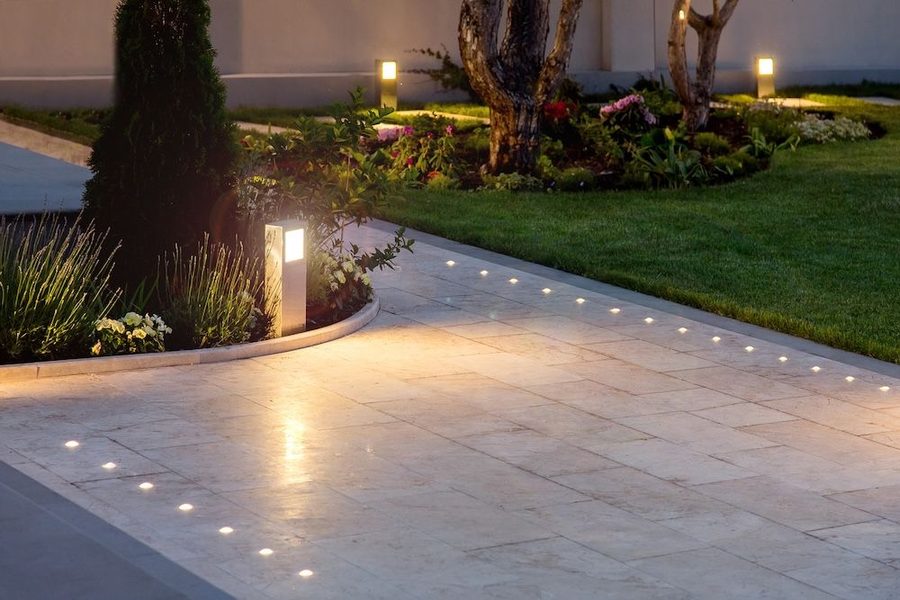
The right outdoor lighting can completely change how a Maryland home looks and functions after sunset. Well-planned lighting can illuminate walkways, highlight landscaping, make outdoor living spaces more inviting, and improve visibility around entrances and other important areas of your property.
However, the best outdoor lighting depends on where it will be installed and what you want it to accomplish. Landscape lighting is different from security lighting, and waterfront properties require additional consideration because fixtures may face moisture and potentially corrosive conditions. Understanding your options can help you create an outdoor lighting system that balances appearance, function, efficiency, and safety.
What Is the Best Outdoor Lighting for Maryland Homes?
The best outdoor lighting for a Maryland home typically combines several types of fixtures. Low-voltage landscape lights can illuminate paths and landscaping, strategically positioned security lights can improve visibility around entrances, and appropriately rated waterfront fixtures can provide lighting around docks, piers, and shoreline areas.
When planning outdoor lighting, consider:
-
What you want to illuminate
-
How bright the area needs to be
-
Weather and moisture exposure
-
Fixture placement
-
Energy efficiency
-
Lighting controls
-
Electrical requirements
Instead of making the entire property equally bright, focus light where it provides a specific benefit.
Landscape Lighting for Maryland Yards
Landscape lighting can highlight your property’s features while making outdoor areas easier to navigate after dark.
Common places for landscape lighting include:
-
Walkways
-
Steps
-
Gardens
-
Trees
-
Driveways
-
Retaining walls
-
Patios
-
Architectural features
Low-voltage lighting is commonly used for residential landscapes. A properly designed system can create layers of light without overwhelming the yard.
Path and Walkway Lighting
Path lights help define walkways and make changes in the walking surface easier to see. They can be particularly useful along front walks, garden paths, steps, and routes between outdoor living areas.
More fixtures are not necessarily better. Closely spaced or overly bright lights can produce glare and make a yard feel more like a commercial space. Thoughtful spacing can provide visibility while maintaining a comfortable residential appearance.
Use Accent Lighting to Highlight Landscaping
Outdoor lighting does not have to be purely functional. Accent lighting can draw attention to trees, stonework, columns, gardens, and architectural details.
Uplighting
Uplights are positioned near ground level and directed upward. They can emphasize:
-
Mature trees
-
Exterior walls
-
Columns
-
Stone or brick features
-
Selected landscaping
Downlighting
Downlights direct illumination from a higher position toward the ground. Depending on the installation, they can provide softer illumination for patios, pathways, gardens, and gathering spaces.
Whichever technique you use, fixture positioning matters. Light should be directed intentionally rather than shining unnecessarily into windows, neighboring properties, or the sky.
Outdoor Lighting for Patios and Decks
Maryland homeowners who use decks, patios, porches, or other outdoor living spaces can benefit from layered lighting.
Rather than relying on one extremely bright fixture, consider combining different sources of illumination.
Wall-mounted fixtures can provide general lighting, while step or rail lighting can illuminate changes in elevation. Accent lighting can highlight landscaping around the space.
This combination can make an outdoor area more functional for dining, entertaining, and relaxing without making it excessively bright.
What Is the Best Security Lighting for a Home?
Effective outdoor security lighting is about strategic placement, not simply installing the brightest floodlights available.
Areas that commonly benefit from additional visibility include:
-
Front entrances
-
Side and rear doors
-
Garage entrances
-
Driveways
-
Gates
-
Side yards
-
Detached structures
Lighting these locations can make it easier to see people, obstacles, and activity around the property.
Outdoor lighting can improve visibility and complement other home security measures, but it should not be treated as a guarantee against trespassing, theft, or other security problems.
Consider Motion-Activated Lighting
Motion-activated fixtures provide additional illumination when movement is detected. They can be useful around driveways, garages, side yards, and entrances.
Sensor positioning and adjustment are important. Poor placement can result in lights activating unnecessarily because of passing vehicles, animals, or movement outside the intended detection area.
Should Outdoor Security Lights Stay On All Night?
Not every security light needs to operate at full brightness from sunset to sunrise.
Photocells, timers, motion sensors, and smart controls can help homeowners decide when outdoor lights operate.
For example, low-level exterior lighting could remain on during the evening while brighter security lighting activates when motion is detected. A photocell can automatically respond to changing daylight, while scheduled controls can operate fixtures during selected hours.
This approach can provide useful illumination while reducing unnecessary energy consumption and glare.
Are Smart Outdoor Lights Worth It?
Smart outdoor lighting can provide additional control and convenience for Maryland homeowners.
Depending on the system, features may include:
-
Remote operation
-
Automatic schedules
-
Dimming
-
Motion activation
-
Dusk-to-dawn control
-
Integration with compatible smart home devices
Smart controls can also make seasonal adjustments easier as sunset times change throughout the year.
However, outdoor smart devices still need to be suitable for their installation environment. Wireless products may also depend on adequate Wi-Fi or network coverage, particularly around large yards and detached structures.
Best Lighting for Maryland Waterfront Homes
Waterfront lighting requires additional planning because the installation environment may expose fixtures and electrical components to moisture, wind, rain, splashing, humidity, and potentially corrosive conditions.
Maryland waterfront environments also vary. Properties along the Chesapeake Bay, rivers, creeks, and other waterways can experience different levels of salinity and exposure, so fixture selection should reflect the property’s actual conditions.
Choose Fixtures Rated for Their Location
Outdoor fixture ratings matter, especially near water.
A fixture suitable for a covered outdoor location may not necessarily be appropriate where it receives direct rain or other water exposure. Fixtures installed in wet locations should carry the appropriate rating for those conditions.
Electrical boxes, covers, wiring methods, and connections also need to be appropriate for the environment.
Consider Corrosion Resistance
Waterfront environments can be challenging for metal fixtures and electrical components.
Choosing materials and finishes suited to the installation environment can help reduce premature deterioration. Homes exposed to brackish or salt-influenced conditions may require additional consideration when selecting outdoor lighting materials.
How Should You Light a Dock or Waterfront Path?
Lighting around docks, piers, waterfront paths, and steps should prioritize useful visibility without creating unnecessary glare.
Depending on the property, options may include:
-
Step lights
-
Low-level path lighting
-
Post-mounted fixtures
-
Downlighting
-
Appropriately rated dock or pier fixtures
Low-level, carefully directed lighting can help identify walking surfaces, steps, and edges while maintaining the nighttime character of a waterfront property.
Avoid aiming unnecessarily bright fixtures across the water. Excessive glare can affect neighbors, boaters, and the surrounding nighttime environment.
Electrical work around docks and waterfront areas requires particular attention to applicable safety requirements and should be handled by qualified professionals.
Low-Voltage vs. Line-Voltage Outdoor Lighting
Both low-voltage and line-voltage lighting can have a place in an outdoor lighting design.
Low-Voltage Lighting
Low-voltage systems are commonly used for:
-
Landscape lighting
-
Path lights
-
Garden lighting
-
Accent lighting
They can provide flexible fixture placement and work well for many residential landscaping applications.
Line-Voltage Lighting
Line-voltage systems are commonly used for hardwired exterior fixtures such as:
-
Wall lights
-
Floodlights
-
Certain post lights
-
Larger exterior fixtures
Neither option is universally better. The right choice depends on the fixtures, property layout, existing electrical system, and purpose of the lighting.
Are LED Lights Best for Outdoor Lighting?
LED lighting is often an excellent option for residential outdoor applications because it can provide high energy efficiency and long rated operating life compared with older lighting technologies.
LED fixtures are also available in numerous brightness levels, beam patterns, and color temperatures, making them adaptable to landscape, security, and architectural lighting.
However, simply choosing an LED fixture does not guarantee good outdoor lighting. Fixture quality, placement, weather rating, brightness, and color temperature still matter.
What Color Temperature Is Best for Outdoor Lighting?
There is no single color temperature that works for every outdoor area.
Warmer light is often well suited to landscaping, patios, porches, and architectural features because it can create a softer residential appearance.
Cooler light can provide a crisper appearance and may be appropriate for certain task-oriented locations. However, extremely cool or bright lighting can feel harsh in residential settings.
Consistency is also important. Using dramatically different color temperatures throughout the same outdoor space can make the lighting feel disconnected.
Common Outdoor Lighting Mistakes to Avoid
Even high-quality fixtures can produce poor results if they are installed or positioned incorrectly.
Common mistakes include:
-
Using fixtures that are not rated for their environment
-
Making every part of the yard equally bright
-
Creating glare toward windows or neighboring properties
-
Poorly positioning motion sensors
-
Ignoring waterfront corrosion exposure
-
Using temporary wiring as a permanent solution
-
Failing to account for growing landscaping
-
Mixing incompatible transformers, controls, or fixtures
A lighting plan can help prevent these problems before installation begins.
Plan Your Maryland Outdoor Lighting With Chesapeake Electric
The best outdoor lighting combines function, appearance, appropriate fixture selection, and safe electrical installation. Landscape lighting can showcase your property, security lighting can improve visibility, and carefully designed waterfront lighting can illuminate docks and shoreline areas while accounting for challenging environmental conditions.
Chesapeake Electric can help Maryland homeowners plan and install outdoor lighting tailored to their properties, including landscape lighting, exterior fixtures, security lighting, smart controls, and waterfront electrical solutions.
If you are ready to improve your home’s outdoor lighting, contact Chesapeake Electric to create a lighting plan designed around your Maryland property and the way you use it.
Recent Posts
5 Electronics and Appliances You’ll Want Protected From Fall Power Surges
September 22, 2026
September 22, 2026
Are Your Walkways Too Dark? Fall Outdoor Lighting Tips for Maryland Homeowners
September 22, 2026
September 22, 2026
5 Signs Your Standby Generator Needs Service Before a Maryland Winter
September 22, 2026
September 22, 2026
Best Smart Home Upgrades for Maryland Homeowners: Where to Start
August 31, 2026
August 31, 2026
How Long Can a Whole-Home Generator Run During a Power Outage in Maryland?
August 31, 2026
August 31, 2026
Does Your Maryland Home Need a Service Panel Upgrade for an EV Charger?
July 30, 2026
July 30, 2026

Coastal Humidity & Energy Bills: Smart Home Automation for Maryland Homes
July 29, 2026
July 29, 2026