

Rated 4.9 on Google

Back to Blog
5 Electronics and Appliances You’ll Want Protected From Fall Power Surges
September 22, 2026
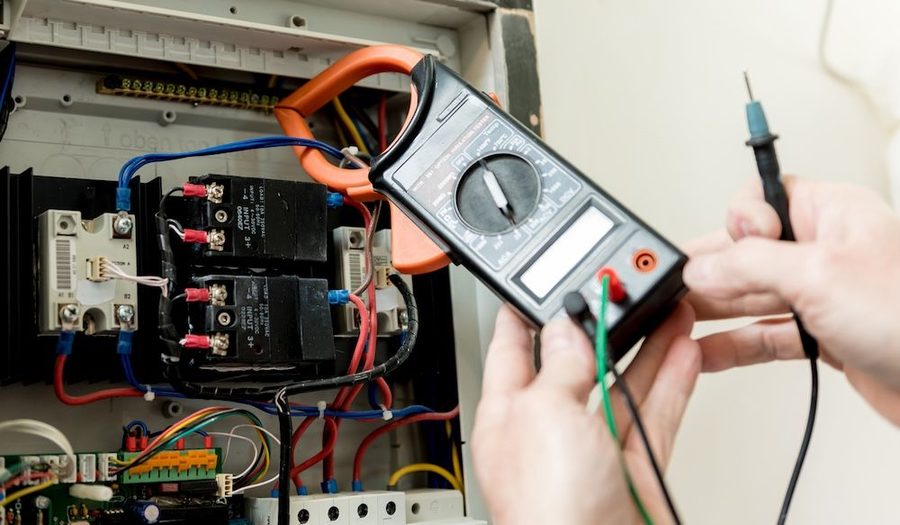
From heating equipment and kitchen appliances to computers and smart-home devices, today’s Maryland homes rely on electronics throughout the house. Many of these systems contain sensitive controls that can potentially be damaged by sudden changes in electrical voltage.
Fall is a good time to think about surge protection as Maryland moves toward colder weather and homeowners begin relying more heavily on heating equipment and indoor electronics. While surge protection is valuable throughout the year, reviewing your home’s protection before winter can help you identify electronics and appliances that may be vulnerable.
Here are five types of equipment you’ll want to consider protecting from power surges.
What Is a Power Surge?
A power surge is a sudden increase in electrical voltage that can travel through a home’s electrical system and potentially damage connected electronics and appliances.
Lightning is one possible source of a surge, but it is not the only one. Electrical disturbances can also be associated with utility switching, changes in the electrical grid, and equipment operating within or around a home.
Some events cause immediate equipment failure. Other electrical damage may be less obvious at first. Because so many modern appliances contain electronic components, surge protection is no longer something to consider only for televisions and computers.
Why Think About Surge Protection During Fall in Maryland?
Fall can bring storms, wind, falling branches, and changing weather conditions to Maryland. However, surge protection should not be viewed as seasonal protection alone.
Electrical surges can occur at any time of year.
Fall simply provides a useful opportunity to evaluate your electrical system before winter, particularly as your household begins depending more heavily on heating equipment, appliances, entertainment systems, and home-office electronics.
1. Heating and Cooling Equipment
Your HVAC system may be one of the most important pieces of equipment to consider when evaluating surge protection.
Modern heating and cooling equipment can include electronic components such as:
-
Control boards
-
Variable-speed components
-
Sensors
-
Thermostats
-
Electronic controls
Damage to one of these components could interfere with normal heating or cooling operation.
That can become especially inconvenient during a cold Maryland winter when reliable heating is important.
HVAC equipment also demonstrates one limitation of relying exclusively on plug-in surge protectors. Many heating and cooling components are hardwired and cannot simply be plugged into a point-of-use surge protector.
A whole-home surge protective device can provide broader protection for equipment connected throughout the home’s electrical system. Depending on the installation and equipment, additional protection may also be appropriate.
2. Refrigerators and Freezers
Refrigerators and freezers operate around the clock, making them another important category to consider.
Modern refrigerators can contain much more than a compressor and light bulb. Depending on the model, they may include:
-
Electronic control boards
-
Digital displays
-
Temperature sensors
-
Electronic compressor controls
-
Wi-Fi connectivity
-
Other smart features
A surge that damages the refrigerator’s electrical or electronic components could interrupt cooling. If the appliance stops maintaining a safe temperature, the food stored inside may also be affected.
Even if you do not own a smart refrigerator, do not assume your appliance has no sensitive electronics. Many conventional refrigerators and freezers use electronic controls.
3. TVs, Computers, and Home Office Equipment
When homeowners hear “surge protector,” computers and televisions are often the first devices that come to mind.
That is for good reason. Today’s homes can contain a substantial collection of electronics, including:
-
Televisions
-
Desktop computers
-
Monitors
-
Printers
-
Gaming consoles
-
Audio equipment
-
Routers
-
Modems
If you work from home, several pieces of equipment may also depend on the same electrical and network connections.
A Power Strip Isn’t Always a Surge Protector
One common mistake is assuming every power strip provides surge protection.
A basic power strip primarily gives you additional outlets. A surge protector contains components specifically designed to limit certain transient overvoltages.
When purchasing or inspecting a device, verify that it actually provides surge protection rather than relying on its appearance.
Surge protective devices can also wear out or reach the end of their protective capacity. Follow the manufacturer’s instructions and pay attention to any indicator lights or warnings that show whether protection is still functioning.
4. Washers, Dryers, Dishwashers, and Other Major Appliances
Refrigerators are not the only appliances that contain electronics.
Modern household appliances may rely on control boards, displays, sensors, and electronic interfaces for normal operation.
That includes:
-
Washing machines
-
Dryers
-
Dishwashers
-
Ovens and ranges
-
Microwaves
Even some gas-powered appliances still require electricity for controls, displays, ignition systems, or other functions.
A whole-home approach to surge protection can be especially useful when considering major appliances because not every appliance can be conveniently or appropriately connected to a typical plug-in surge protector.
5. Smart Home and Security Devices
As Maryland homes become more connected, the number of electronics throughout the house continues to grow.
Your home might include:
-
Smart thermostats
-
Security cameras
-
Video doorbells
-
Security systems
-
Smart lighting controls
-
Smart-home hubs
-
Network equipment
-
Connected appliances
Many smart devices also depend on your home’s router, modem, or network equipment. If critical networking equipment is damaged, multiple connected devices may lose functionality even if the individual smart devices are unaffected.
When planning surge protection, think beyond expensive individual electronics. Consider the systems your household depends on every day.
Can a Power Surge Damage an Appliance That Still Works?
Yes, electrical damage does not always result in immediate, complete equipment failure. However, homeowners generally cannot determine from normal operation alone whether a particular surge caused internal damage.
If an appliance or electronic device begins behaving abnormally following an electrical event, follow the manufacturer’s guidance and have the equipment evaluated when appropriate.
Avoid assuming that every malfunction after a storm was necessarily caused by a surge. Appliances can fail for many unrelated reasons.
What’s the Difference Between a Power Strip and a Surge Protector?
Understanding the available options can make it easier to build a more complete surge protection strategy.
Power Strip
A standard power strip primarily expands the number of available outlets. It does not necessarily provide surge protection.
Plug-In Surge Protector
A point-of-use surge protector is designed to limit certain transient overvoltages before they reach connected electronics.
These are commonly used for computers, televisions, gaming systems, and similar electronics.
Whole-Home Surge Protective Device
A whole-home surge protective device is installed at or near the home’s electrical service or panel, depending on the electrical system and product.
It provides broader protection for electrical equipment throughout the home, including many appliances and hardwired systems that cannot use a standard plug-in protector.
No surge protective device can guarantee that equipment will survive every electrical event, particularly extreme events such as a direct lightning strike.
Does Whole-Home Surge Protection Replace Plug-In Protectors?
Not necessarily.
Whole-home and point-of-use surge protection can work as complementary layers. A whole-home surge protective device provides broader protection at the electrical service, while appropriate point-of-use protectors can provide an additional layer for certain sensitive electronics.
An electrician can help determine what type of surge protection makes sense for your electrical system and the equipment you want to protect.
How Do You Know If Your Home Has Whole-Home Surge Protection?
Some whole-home surge protective devices are visible at or near the electrical panel and may include indicator lights showing their status.
If you are unsure whether your Maryland home already has one, check documentation from previous electrical work or have an electrician inspect the system.
Do not remove the electrical panel cover to look for surge protection yourself.
If you already have a surge protective device, check its manufacturer-provided status indicator when accessible. A failed or inactive indicator may mean the device requires professional attention or replacement.
Fall Surge Protection Checklist for Maryland Homeowners
As you prepare your home for fall and winter:
-
Identify important electronics and appliances
-
Check whether your power strips actually provide surge protection
-
Look for failed status indicators on existing surge protectors
-
Determine whether your home has whole-home surge protection
-
Consider hardwired HVAC equipment and appliances
-
Follow manufacturer replacement recommendations
-
Have damaged or questionable electrical equipment professionally inspected
A layered approach can help provide broader protection for the many electronic devices modern homes rely on.
Protect Your Maryland Home With Chesapeake Electric
HVAC equipment, refrigerators, computers, major appliances, and smart-home devices can all contain electronic components that may be vulnerable to electrical surges.
If you’re unsure whether your home has adequate surge protection, contact Chesapeake Electric for professional whole-home surge protection and electrical services in Maryland. An electrician can evaluate your existing setup and help you determine the appropriate protection for your home’s electrical system and connected equipment.
Recent Posts

Are Your Walkways Too Dark? Fall Outdoor Lighting Tips for Maryland Homeowners
September 22, 2026
September 22, 2026
5 Signs Your Standby Generator Needs Service Before a Maryland Winter
September 22, 2026
September 22, 2026

Best Outdoor Lighting for Maryland Homes: A Guide to Landscape, Security, and Waterfront Lighting
August 31, 2026
August 31, 2026
Best Smart Home Upgrades for Maryland Homeowners: Where to Start
August 31, 2026
August 31, 2026
How Long Can a Whole-Home Generator Run During a Power Outage in Maryland?
August 31, 2026
August 31, 2026
Does Your Maryland Home Need a Service Panel Upgrade for an EV Charger?
July 30, 2026
July 30, 2026
Coastal Humidity & Energy Bills: Smart Home Automation for Maryland Homes
July 29, 2026
July 29, 2026