

Rated 4.9 on Google

Back to Blog
The Annapolis Homeowner’s Diagnostic: Is Your Generator a “Quick Fix” or a Safety Risk?
January 22, 2026
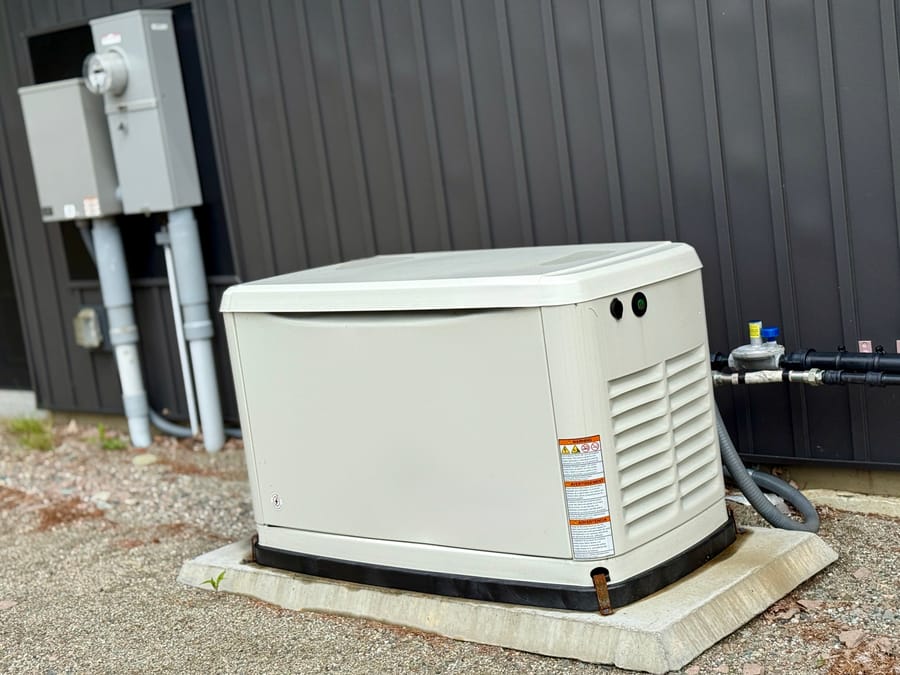
When the power goes out in Annapolis, the silence that follows can be heavy. For many homeowners, that silence is broken seconds later by the reassuring hum of a standby generator. But what happens when that hum sounds like a “washing machine full of rocks,” or worse, doesn’t start at all? In the historic neighborhoods of Eastport or the waterfront properties along the Severn, a generator is more than a convenience. It is a critical line of defense.
At Chesapeake Electric, we often see two types of generator owners: those whose systems need a simple “quick fix” and those whose units have become a hidden safety risk. Knowing the difference is the key to protecting your home, your family, and your investment. This diagnostic guide will help you walk through the warning signs to determine if your system is healthy or if it is a ticking time bomb.
The “Quick Fix” Category: Simple Maintenance Wins
Not every generator issue requires a total replacement. Often, a system that “stutters” or fails to engage is simply crying out for routine maintenance. If your system is under ten years old and has a clean service record, these common issues are usually minor.
Battery and Ignition Issues
The number one reason a generator fails to start in Annapolis is a weak battery. Because the unit sits idle for long periods, the battery can lose its charge or develop corrosion on the terminals.
-
The Symptom: You hear a “clicking” sound when the power goes out, but the engine never turns over.
-
The Fix: Cleaning the battery terminals with a baking soda solution and ensuring the integrated charger is functioning. Most generator batteries need to be replaced every 3 to 5 years, regardless of how often the unit runs.
Clogged Filters and Old Fuel
For generators running on diesel or gasoline, fuel quality is everything. Even natural gas units have air filters that can become “choked” by pollen, dust, or even local pests.
-
The Symptom: The generator starts but “hunts” or surges, with the engine speed fluctuating wildly.
-
The Fix: Replacing a dirty air filter or adding a fuel stabilizer to stored gasoline. A fresh spark plug can also resolve many “rough running” issues in a matter of minutes.
The “Exercise” Reset
Most modern Generac or Kohler units are programmed to run a weekly exercise cycle. If a minor sensor error occurs during this test, the unit may show a “Yellow Light” on the dashboard.
-
The Symptom: A steady yellow light or a non-critical fault code on the digital display.
-
The Fix: Checking the oil level and resetting the control panel. Often, the system just needs a “handshake” from a technician to confirm that everything is within safe parameters.
The “Safety Risk” Category: Red Flags You Cannot Ignore
When a generator transitions from “finicky” to “dangerous,” the signs are usually visible, if you know where to look. In Annapolis, where homes are often close together, these risks can affect your neighbors as much as yourself.
Visible Fluid Leaks
A healthy generator should never leave a puddle. If you see fluid pooling beneath the enclosure, you are looking at a major safety hazard.
-
Fuel Leaks: Whether it is the smell of natural gas or a puddle of diesel, a fuel leak is an immediate fire risk. Cracked hoses or faulty gaskets can turn your generator enclosure into a furnace.
-
Coolant Leaks: If the unit loses coolant, it will overheat. Unlike a car, a generator under load can overheat so rapidly that it warps the engine block or melts internal wiring before the safety shutdown can engage.
Electrical “Arcing” and Burnt Odors
If you smell something like “burnt plastic” or “ozone” near your unit, shut it down immediately. This is a sign of electrical failure that could lead to a house fire.
-
Frayed Wiring: Annapolis pests, like squirrels and mice, love the warmth of a generator enclosure. They often chew through wire insulation, leading to short circuits.
-
Inconsistent Power: If your lights are flickering or your sensitive electronics (like your Wi-Fi or Smart TV) are resetting while the generator is running, the voltage regulator is likely failing. This “dirty power” can permanently fry the motherboards in your expensive appliances.
Exhaust and Carbon Monoxide (CO) Risks
Your generator should burn clean. If you see thick, dark smoke, or if the unit is positioned too close to your home’s windows or vents, you are at risk for CO poisoning.
-
The Warning: Black smoke usually means the engine is burning oil or has a severe combustion imbalance.
-
The Danger: Carbon monoxide is colorless and odorless. If your generator’s exhaust system is cracked, these lethal fumes can seep into your home through the foundation or siding gaps.
The Annapolis Environmental Stressor: Salt and Humidity
Our proximity to the Chesapeake Bay adds a layer of “corrosion stress” that homeowners in other regions don’t face. The salt-heavy air acts as an accelerant for rust and electrical decay.
Enclosure “Pitting”
Check the base of your generator’s metal box. If you see “bubbling” paint or orange rust, the structure is being compromised. Once rust reaches the frame, it can shift the engine’s alignment, leading to the “washing machine full of rocks” grinding sound.
Transfer Switch Fatigue
The Automatic Transfer Switch (ATS) is the brain that tells your house to switch from “Grid” to “Generator.” In our humid climate, the internal contactors in this switch can become “pitted” or stuck. If the ATS fails, you could be left with no power from either source, or worse, “backfeed” electricity into the utility lines, endangering the crews working to restore the neighborhood’s power.
Don’t Guess with Your Safety
At Chesapeake Electric, we specialize in the unique needs of Maryland’s coastal homes. We don’t believe in “bandage” repairs for dangerous systems. Our goal is to give you an honest diagnosis: if it’s an easy fix, we’ll do it; if it’s a risk to your home, we’ll tell you exactly why. You invested in a generator for peace of mind, so make sure that’s what you’re actually getting.
Is your generator ready for the next Chesapeake storm? Do not wait for the lights to go out to find out if your system is compromised. The experts at Chesapeake Electric are ready to perform a comprehensive “Safety & Performance” diagnostic on your unit. From load-bank testing to internal wiring inspections, we ensure your backup power is truly safe.
Contact us today to schedule your service and stay protected, no matter the weather.
Recent Posts

Best Outdoor Lighting for Maryland Homes: A Guide to Landscape, Security, and Waterfront Lighting
August 31, 2026
August 31, 2026
Best Smart Home Upgrades for Maryland Homeowners: Where to Start
August 31, 2026
August 31, 2026
How Long Can a Whole-Home Generator Run During a Power Outage in Maryland?
August 31, 2026
August 31, 2026
Does Your Maryland Home Need a Service Panel Upgrade for an EV Charger?
July 30, 2026
July 30, 2026

Coastal Humidity & Energy Bills: Smart Home Automation for Maryland Homes
July 29, 2026
July 29, 2026
Navigating Chesapeake Bay Tides: Code-Compliant Pier Power Installation in Maryland
July 29, 2026
July 29, 2026
Smart Electrical Panels vs. Traditional Panels: Are They Worth the Upgrade?
June 18, 2026
June 18, 2026