⚡ Power Outages Don't Wait - Neither Should You. Get $1000 OFF Standby Generator Installation Today! ⚡


Back to Blog
The Biggest Electrical Risks in Older Annapolis and Historic District Homes
February 24, 2026
Annapolis is a city defined by its history. From the cobblestones of Prince George Street to the stately manors overlooking the Severn River, our historic district is a living museum. However, owning one of these beautiful older homes means inheriting an electrical system that was designed for a completely different era.
When many of these homes were first wired, the average household used electricity for little more than a few lightbulbs and a radio. Today, we are asking those same systems to power high-definition televisions, electric vehicle chargers, and powerful HVAC systems. At Chesapeake Electric, we specialize in the delicate balance of preserving architectural history while modernizing the infrastructure beneath the surface.
If you live in a home built before the 1960s, these are the primary electrical risks you need to monitor to keep your historic property safe.
The Hidden Hazard: Knob and Tube Wiring
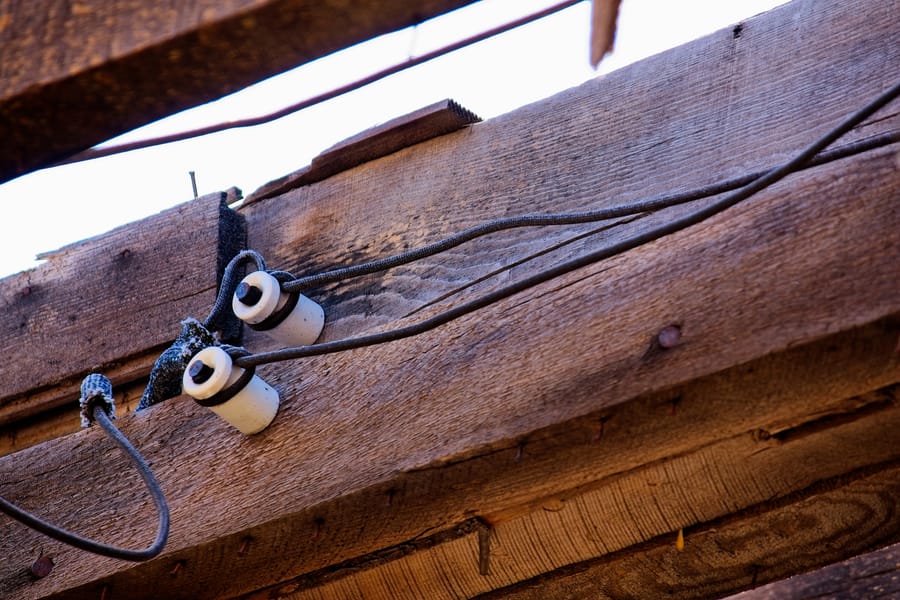
If your Annapolis home was built between the late 1800s and the 1940s, it may still contain knob and tube wiring. This system uses porcelain knobs to support wires and ceramic tubes to protect them as they pass through wood framing.
While revolutionary for its time, knob and tube poses significant risks today:
-
No Grounding: Unlike modern three-wire systems, knob and tube lacks a grounding wire. This means excess electricity has no safe path to the earth during a surge, significantly increasing the risk of fire and electrical shock.
-
Brittle Insulation: The original rubber and cloth insulation on these wires dries out and crumbles over time, leaving bare copper exposed inside your walls.
-
The Insulation Conflict: Modern blown-in insulation is a common upgrade for historic homes. However, knob and tube wiring was designed to dissipate heat into open air cavities. Covering it with insulation can cause the wires to overheat and ignite.
Outdated Panels: The Federal Pacific and Zinsco Warning
Your electrical panel is the brain of your home. In many older Annapolis residences, that brain is decades out of date. We frequently encounter panels from manufacturers like Federal Pacific Electric (FPE) and Zinsco that are no longer considered safe.
-
Failure to Trip: The primary job of a circuit breaker is to trip, or shut off, when a circuit is overloaded. FPE and Zinsco panels are notorious for failing to trip, allowing wires to overheat until they melt or catch fire.
-
Insufficient Amperage: Many historic homes still run on 60-amp or 100-amp service. A modern home typically requires at least 200 amps to operate safely. When you try to pull 200 amps of demand through a 60-amp panel, you are redlining your system every single day.
The Salt Air Accelerant
Our proximity to the Chesapeake Bay is what makes Annapolis so special, but the salt-heavy air is a silent enemy of electrical components.
Coastal moisture accelerates the corrosion of metal. We often find service entrance cables and outdoor panels in the Historic District that have become pitted or rusted. When salt air enters a panel, it creates high-resistance connections that generate heat. This corrosion can lead to flickering lights, partial power outages, and even arc faults that occur without warning.
Lack of GFCI and AFCI Protection
Modern building codes require specific outlets to protect you from different types of hazards. Most historic homes were built long before these safety devices existed.
-
GFCI (Ground Fault Circuit Interrupters): These are required in wet areas like kitchens, bathrooms, and basements. They shut off power in a fraction of a second if they detect water contact, preventing electrocution.
-
AFCI (Arc Fault Circuit Interrupters): These are designed to detect a dangerous electrical arc, a spark jumping between wires. This is especially critical in older homes where wire insulation may be frayed or damaged.
Dangerous DIY and Layered Wiring
Over the last century, many historic Annapolis homes have been renovated multiple times. We often find what we call layered wiring, where modern Romex has been spliced into old knob and tube or cloth-insulated wires.
These DIY patches are often hidden behind plaster walls and are rarely up to code. Incorrect splices can create hot spots that smolder for years before causing a fire. If you see a mix of different types of outlets or switches in your home, it is a strong indicator that your wiring is a patchwork that needs a professional evaluation.
Signs Your Historic Home Needs an Inspection
You don’t always need to open the walls to know there is a problem. Watch for these local red flags:
-
Flickering Lights: This is often a sign of loose connections or a system struggling to handle the load.
-
Warm Outlets: If a switch plate or outlet feels warm to the touch, electricity is escaping and creating heat.
-
Frequent Blown Fuses: If you are still replacing glass fuses, your system is telling you it cannot keep up with your lifestyle.
-
Burning Smells: An acrid, plastic-like odor is an immediate emergency. It means wire insulation is currently melting.
Preserving the Past, Protecting the Future
At Chesapeake Electric, we love the character of Annapolis. Our goal is to ensure that these historic structures stand for another hundred years. Modernizing your electrical system doesn’t have to mean destroying your original plaster or woodwork. We use specialized, non-invasive techniques to upgrade panels and wiring while respecting the integrity of your home.
Safety in an older home is about being proactive rather than reactive. Contact Chesapeake Electric today to schedule a comprehensive historic home electrical safety audit and ensure your Annapolis treasure is as safe as it is beautiful.
Recent Posts
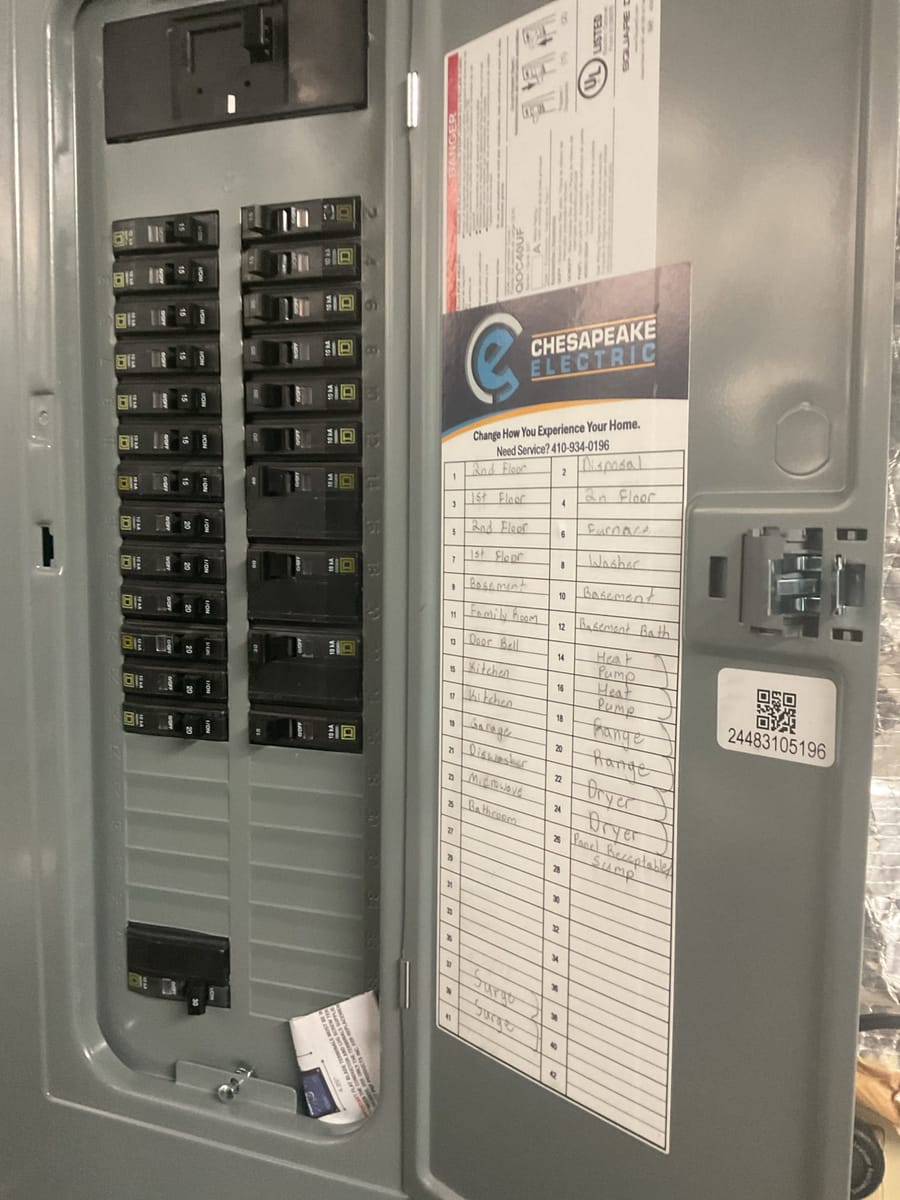
Why Every Annapolis Home Should Have Whole Home Surge Protection
March 25, 2026
March 25, 2026

The Benefits of Adding Outdoor Lighting for Safety Around Coastal Homes
March 25, 2026
March 25, 2026
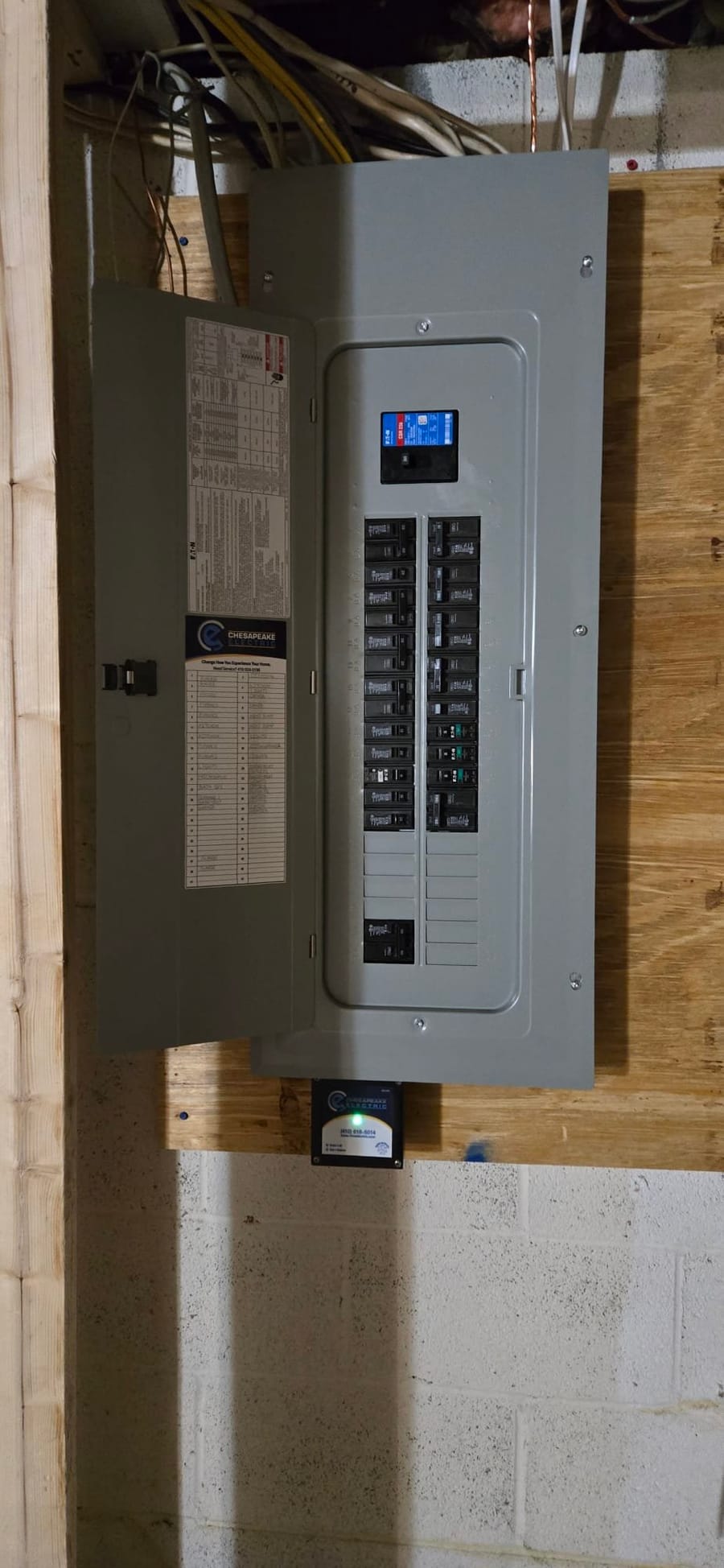
How to Prepare Your Electrical System for Maryland’s Spring Storm Season
March 25, 2026
March 25, 2026
The Importance of Having a Home Generator in Annapolis
February 25, 2026
February 25, 2026

Why Annapolis Humidity and Coastal Air Corrode Your Home’s Electrical Panel
February 24, 2026
February 24, 2026

How Maryland’s Seasonal Nor’easters Stress Older Backup Power Systems
January 23, 2026
January 23, 2026
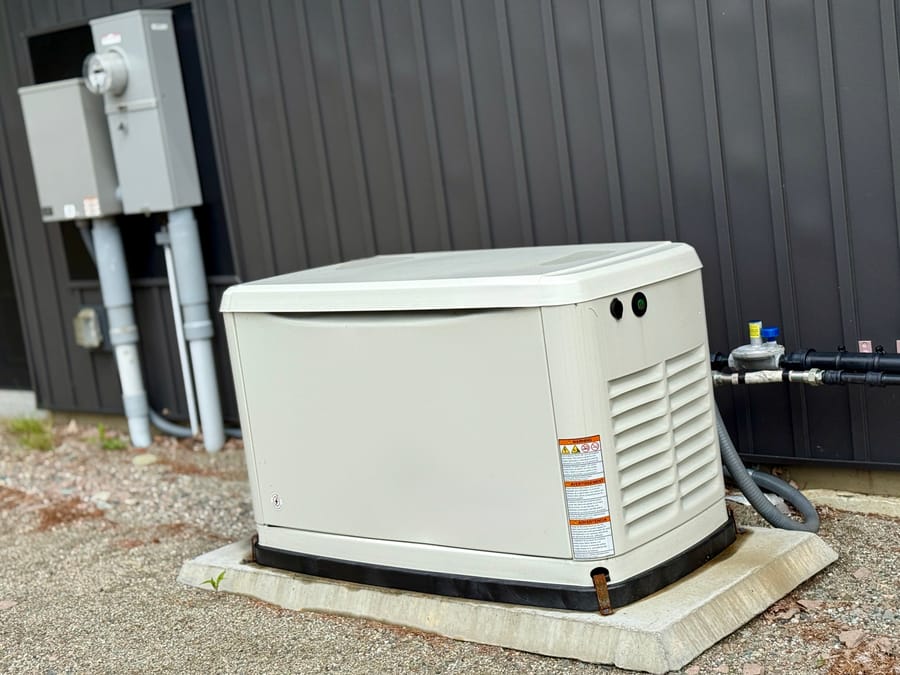
The Annapolis Homeowner’s Diagnostic: Is Your Generator a “Quick Fix” or a Safety Risk?
January 22, 2026
January 22, 2026