⚡ Power Outages Don't Wait - Neither Should You. Get $1000 OFF Standby Generator Installation Today! ⚡


Back to Blog
Why Annapolis Humidity and Coastal Air Corrode Your Home’s Electrical Panel
February 24, 2026
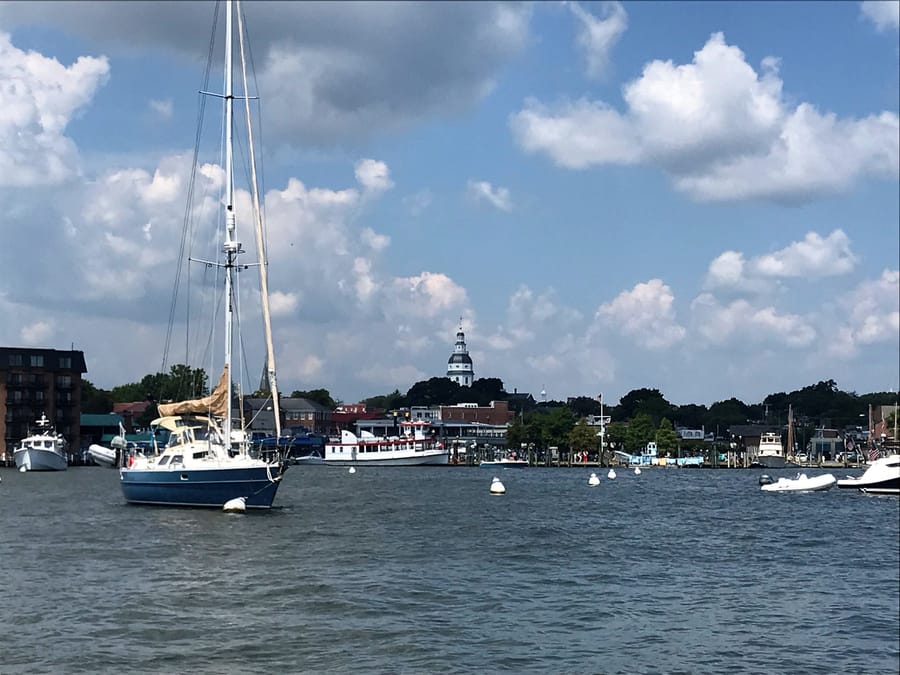
In Annapolis, we live for the water. Whether it is a weekend on the Chesapeake or a stroll through City Dock, the maritime atmosphere is part of our identity. But while the coastal air is refreshing to us, it is relentless and destructive to the metal components inside your home.
One of the most critical systems at risk is your electrical panel. Because it is often tucked away in a basement, garage, or utility closet, the gradual damage caused by our local climate can go unnoticed for years. At Chesapeake Electric, we frequently see panels in Eastport and the Historic District that look like they have been submerged in the bay, even though they have stayed perfectly dry.
Understanding how the unique chemistry of Annapolis air affects your electricity is vital for protecting your home from fire hazards and expensive system failures.
The Chemistry of the Chesapeake: Salt as a Conductor
If you live within a few miles of the water, your home is constantly enveloped in a fine, microscopic mist of saltwater. This saline air is heavy with chloride ions, which are incredibly aggressive toward metals like copper, aluminum, and steel.
-
The Electrolyte Effect: Salt is a powerful electrolyte. When salt particles settle on the metal bus bars and wire connections inside your panel, they draw moisture out of the air. This creates a highly conductive and corrosive film.
-
Accelerated Oxidation: This film triggers a chemical reaction that eats away at the protective layers of your electrical components. On copper wires, you will see a green, powdery substance (verdigris). On steel panel boxes, it shows up as traditional red rust.
-
Increased Resistance: Corrosion creates a layer of “junk” between your electrical connections. Electricity struggles to flow through this buildup, creating resistance. In the electrical world, resistance equals heat.
The Humidity Factor: Why Interior Panels Aren’t Safe
You might think that because your panel is inside your house, it is shielded from the coastal elements. In Annapolis, the high humidity levels, often exceeding 80 percent in the summer, ensure that the salt air finds its way indoors.
Moisture travels through your home’s natural ventilation, following the path of conduit pipes and service entrance cables.
-
Condensation Cycles: As the temperature shifts between hot Maryland afternoons and cooler nights, moisture condenses inside the cool metal enclosure of your electrical panel.
-
The Trap: Once moisture enters the panel box, the lack of airflow inside the enclosure keeps it there. This creates a humid microclimate that rots your breakers and lugs from the inside out.
The Warning Signs: What to Look For
Corrosion is a slow-motion disaster. By the time your lights start flickering, the damage is often extensive. Take a flashlight and inspect your panel for these red flags:
-
White or Green Powder: Look at the spots where wires connect to the breakers. Any sign of crusty white or green buildup is a clear indicator of active corrosion.
-
Pitting on the Metal: If the flat metal bus bars (the parts the breakers snap onto) look like they have tiny craters or a rough, sandpaper-like texture, the metal is structurally failing.
-
Rust on the Bottom of the Box: Check the very bottom of your panel enclosure. Rust here often means moisture is traveling down the main service cable from the outside meter base.
-
Acrid Smells: Corroded connections that are overheating often give off a distinct metallic or fishy odor. This is a sign that plastic insulation is beginning to smolder.
The Dangers of a Corroded Panel
A corroded electrical panel is not just an efficiency problem; it is a major safety risk.
Failure to Trip
The most dangerous consequence of corrosion is a seized circuit breaker. If salt air causes the internal mechanism of a breaker to rust, it may not trip during a power surge or a short circuit. This allows thousands of watts of energy to flow unchecked, which can ignite the wood framing inside your walls.
Arc Faults
As connections loosen due to metal deterioration, electricity can begin to jump across gaps. This is called arcing. Arcing creates temperatures hotter than the surface of the sun and is a leading cause of residential electrical fires in coastal Maryland.
How to Protect Your Coastal Home
Living near the Severn River doesn’t mean you are destined for electrical failure. There are several steps you can take to mitigate the effects of the coastal environment.
-
Dielectric Grease: A professional electrician can apply a specialized antioxidant grease to your wire terminations. This creates a waterproof, airtight seal that prevents salt and oxygen from reaching the metal.
-
Dehumidification: Maintaining a consistent humidity level in your basement or utility room (ideally between 40 and 50 percent) can significantly slow the rate of corrosion.
-
Vapor Corrosion Inhibitors (VCIs): These are small “emitters” that can be placed inside a sealed electrical panel. They release a chemical vapor that forms a molecular protective layer on all metal surfaces, blocking the salt air’s path.
-
NEMA-Rated Enclosures: If your panel is in a particularly damp or exposed area, upgrading to a NEMA 4X enclosure, made of stainless steel or high-grade polycarbonate, can provide a virtually impenetrable barrier against the elements.
Maritime Charm Without the Electrical Harm
Annapolis is a spectacular place to call home, but the very things that make it beautiful are the same things that threaten your home’s infrastructure. Don’t let the salt air win. Regular inspections are the only way to catch coastal corrosion before it compromises your family’s safety.
At Chesapeake Electric, we know the local “waterfront” signs of trouble better than anyone. We have helped thousands of Annapolis neighbors upgrade and protect their systems against the Chesapeake climate. Contact Chesapeake Electric today to schedule a coastal safety audit of your electrical panel and ensure your home stays powered and protected for years to come.
Recent Posts
Why Every Annapolis Home Should Have Whole Home Surge Protection
March 25, 2026
March 25, 2026

The Benefits of Adding Outdoor Lighting for Safety Around Coastal Homes
March 25, 2026
March 25, 2026
How to Prepare Your Electrical System for Maryland’s Spring Storm Season
March 25, 2026
March 25, 2026
The Importance of Having a Home Generator in Annapolis
February 25, 2026
February 25, 2026
The Biggest Electrical Risks in Older Annapolis and Historic District Homes
February 24, 2026
February 24, 2026

How Maryland’s Seasonal Nor’easters Stress Older Backup Power Systems
January 23, 2026
January 23, 2026
The Annapolis Homeowner’s Diagnostic: Is Your Generator a “Quick Fix” or a Safety Risk?
January 22, 2026
January 22, 2026