

Rated 4.9 on Google

Back to Blog
How Long Can a Whole-Home Generator Run During a Power Outage in Maryland?
August 31, 2026
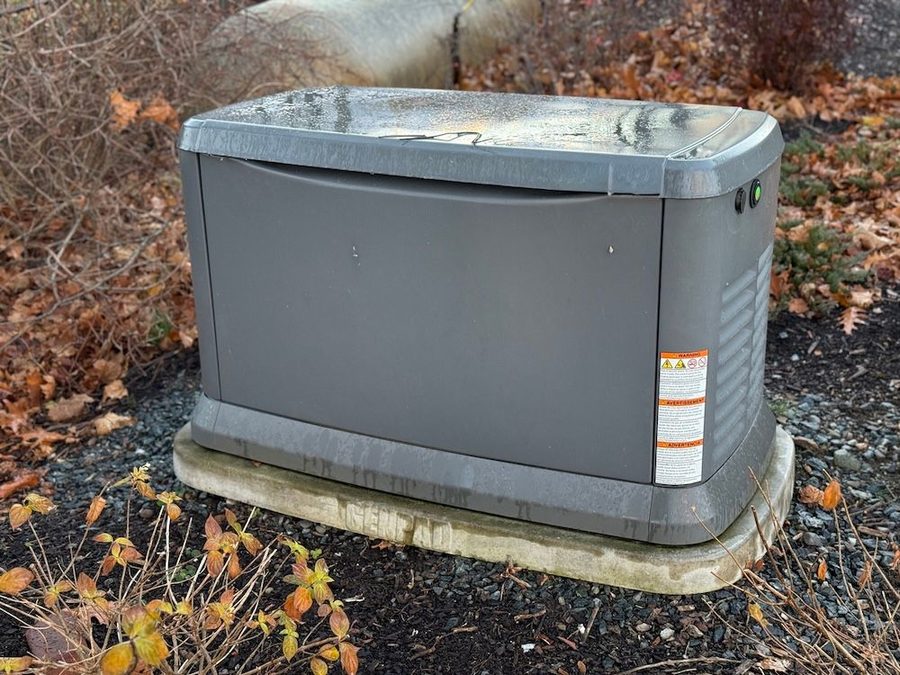
When the power goes out in Maryland, a whole-home generator can keep important systems running, from refrigerators and lights to heating, cooling, sump pumps, and other essential equipment. But if an outage lasts longer than a few hours, homeowners often have another question: How long can a whole-home generator actually run?
A standby generator may be capable of providing backup power through a multi-day outage, but there is no universal maximum runtime. How long your generator can operate depends on its fuel source, electrical load, equipment design, operating conditions, and maintenance requirements. Understanding these factors can help Maryland homeowners prepare for extended outages and choose the right backup power system.
How Long Can a Whole-Home Generator Run Continuously?
A whole-home standby generator may be able to operate throughout a multi-day power outage as long as it has an adequate fuel supply, stays within its rated capacity, and receives the maintenance required by its manufacturer.
However, “continuous operation” does not mean a generator can be ignored indefinitely.
Standby generators are engines that require appropriate maintenance, ventilation, fuel, and operating conditions. Some models require inspections or service after a certain number of continuous operating hours. Always follow the owner’s manual for your specific generator.
What Determines How Long a Standby Generator Can Run?
Several factors affect whole-home generator runtime during a Maryland power outage.
Fuel Supply
Fuel is one of the biggest limitations. A natural gas generator may continue operating as long as utility gas service remains available, while a propane generator is limited by the amount of usable fuel stored on the property.
Electrical Load
The amount of electricity your household uses affects fuel consumption. A generator powering central HVAC, water heating, cooking equipment, and numerous appliances will generally consume more fuel than one supporting only essential loads.
Generator Size and Design
Generators differ in output capacity, engine design, cooling, and maintenance requirements. The system needs to be properly sized for the loads it is expected to support.
Maintenance and Operating Conditions
Oil, filters, airflow, engine condition, and other components can affect reliability during prolonged operation. Extreme weather and accumulated runtime can also influence maintenance needs.
How Long Can a Natural Gas Standby Generator Run?
Natural gas standby generators can be well suited to extended outages because they are typically connected directly to the home’s utility gas supply.
Unlike a generator relying on a finite tank of fuel stored on the property, a natural gas system does not normally require the homeowner to refill a tank during an outage.
As long as natural gas service remains available and the generator continues operating within its requirements, the system may be able to support an extended outage.
Is Natural Gas Generator Runtime Unlimited?
No. Even with a continuous fuel supply, a natural gas standby generator should not be considered capable of unlimited operation.
Utility gas service can potentially be interrupted, and the generator itself still requires inspections and maintenance. Mechanical faults, excessive electrical demand, blocked airflow, or other problems can also interrupt operation.
Fuel availability is only one part of generator reliability.
How Long Can a Propane Whole-Home Generator Run?
A propane standby generator’s potential runtime depends heavily on how much usable propane is available and how quickly the generator consumes it.
There is no reliable universal formula such as “one propane tank will always provide a certain number of days.” Fuel consumption varies according to generator model and electrical load.
A generator operating near its rated capacity can consume fuel more quickly than the same unit supporting a smaller load.
For Maryland homeowners using propane backup power, planning ahead is especially important. Understand your tank capacity, generator fuel consumption, and options for fuel delivery before a major storm or extended outage occurs.
Does a Whole-Home Generator Need to Rest During an Extended Outage?
There is no single shutdown schedule that applies to every standby generator.
Manufacturer requirements vary by generator model. Some systems may require periodic shutdowns for inspection, cooling, oil checks, or continuous-use maintenance.
For example, Generac specifies continuous-use maintenance procedures for certain air-cooled home standby models after every 24 hours of continuous operation. Other equipment may have different requirements.
The safest approach is to follow the operating and maintenance instructions for your exact generator rather than relying on a universal rule.
How Does Electrical Load Affect Generator Runtime?
The more electrical demand placed on a generator, the more fuel it will generally consume.
Some of the larger household loads can include:
-
Central air conditioning
-
Heat pumps
-
Electric water heaters
-
Electric ranges
-
Well pumps
-
Pool equipment
-
Clothes dryers
You may not need every appliance operating simultaneously during an outage.
Prioritizing essential loads can reduce demand and, for systems using stored fuel, potentially extend the available runtime. Some standby generator installations also use load-management equipment to control when high-demand equipment operates.
Can a Whole-Home Generator Run the Air Conditioner?
Yes, a properly sized whole-home generator may be able to operate central air conditioning during an outage.
However, not every generator can power every HVAC system. Air conditioners and heat pumps can represent significant electrical loads, and both their starting and running requirements need to be considered.
If keeping your HVAC system operating during a Maryland power outage is a priority, it should be included when the generator is sized. A professional electrical load calculation can help determine the appropriate generator capacity and whether load management would be beneficial.
Can a Standby Generator Run for Several Days?
Potentially, yes. A properly installed and maintained standby generator may provide backup power throughout a multi-day outage if adequate fuel remains available and manufacturer operating requirements are followed.
Successful extended operation depends on several conditions:
-
Adequate fuel remains available
-
Electrical demand stays within generator capacity
-
Required inspections and maintenance are completed
-
Airflow and ventilation remain unobstructed
-
The generator does not develop a mechanical or electrical fault
This is why preparing before an outage is just as important as owning the generator itself.
What Happens If a Standby Generator Runs Out of Fuel?
For a propane generator, operation eventually stops when the usable stored fuel is depleted. Fuel planning is therefore important before severe weather or another event that could create a prolonged outage.
A natural gas generator depends on continued utility gas service.
Homeowners should never attempt to switch a generator to a different fuel unless the equipment is specifically designed and properly configured for it. Fuel types and conversions must comply with manufacturer requirements and applicable installation standards.
What Maintenance Does a Generator Need During a Long Outage?
Standby generators require routine maintenance even when they are operating exactly as designed.
Depending on the manufacturer and model, extended-run maintenance may involve:
-
Checking oil levels
-
Inspecting for leaks
-
Oil and filter service
-
Air filter inspection
-
Checking cooling and ventilation openings
-
Monitoring alarms or fault codes
Maintenance intervals can vary significantly, so homeowners should use the requirements for their specific equipment rather than following a generic schedule.
Before performing any owner-permitted inspection or maintenance, follow the manufacturer’s shutdown and safety procedures. Generator systems involve electricity, fuel, hot surfaces, and moving components, so work outside manufacturer-approved homeowner maintenance should be left to qualified professionals.
How Can Maryland Homeowners Prepare for an Extended Outage?
The best time to prepare your generator is before severe weather arrives.
Keep Up With Routine Generator Maintenance
Do not wait until an outage to discover that the battery, oil, or another component needs attention. If your generator fails an automatic exercise cycle or displays a warning, address it before emergency power is needed.
Understand Your Fuel Supply
Know whether your generator operates on natural gas or propane. If you use propane, understand your available fuel capacity and how generator demand affects consumption.
Know What Your Generator Powers
Understand which circuits and appliances are backed up. If your system uses load management, know which equipment receives priority.
Keep the Generator Area Clear
Standby generators need proper airflow and clearances. Keep debris, vegetation, snow, and other materials from obstructing the unit according to manufacturer requirements.
Never block or enclose generator exhaust.
How Long Does a Whole-Home Generator Last?
Generator runtime during one outage is different from the equipment’s overall service life.
There is no universal number of years or operating hours that every whole-home generator will last. Installation quality, maintenance, total operating hours, environment, fuel, equipment design, and usage all influence longevity.
Regular professional maintenance can help keep a standby generator ready for the next outage and identify developing problems before backup power is needed.
Is a Whole-Home Generator Worth It in Maryland?
A whole-home generator may be worthwhile for Maryland homeowners who want automatic backup power during extended outages, especially when maintaining essential systems is important.
That may include refrigeration, HVAC equipment, sump pumps, well pumps, lighting, medical equipment, or other critical household loads.
The right generator depends on your outage priorities, available fuel, electrical demand, property, and desired level of backup coverage.
Keep Your Maryland Home Powered With Chesapeake Electric
A whole-home generator can potentially keep a Maryland home powered through a multi-day outage, but runtime ultimately depends on fuel availability, electrical demand, generator capacity, operating conditions, and maintenance.
Chesapeake Electric can help Maryland homeowners evaluate backup power needs, properly size a standby generator, plan for essential electrical loads, and install the appropriate generator and transfer equipment.
If you want reliable backup power when the grid goes down, contact Chesapeake Electric to discuss a whole-home generator solution designed around your Maryland home’s needs.
Recent Posts

Best Outdoor Lighting for Maryland Homes: A Guide to Landscape, Security, and Waterfront Lighting
August 31, 2026
August 31, 2026
Best Smart Home Upgrades for Maryland Homeowners: Where to Start
August 31, 2026
August 31, 2026
Does Your Maryland Home Need a Service Panel Upgrade for an EV Charger?
July 30, 2026
July 30, 2026

Coastal Humidity & Energy Bills: Smart Home Automation for Maryland Homes
July 29, 2026
July 29, 2026
Navigating Chesapeake Bay Tides: Code-Compliant Pier Power Installation in Maryland
July 29, 2026
July 29, 2026
Smart Electrical Panels vs. Traditional Panels: Are They Worth the Upgrade?
June 18, 2026
June 18, 2026

Outdoor Electrical Installations Near the Chesapeake Bay: What Homeowners Should Know
June 18, 2026
June 18, 2026