

Rated 4.9 on Google

Back to Blog
Best Smart Home Upgrades for Maryland Homeowners: Where to Start
August 31, 2026
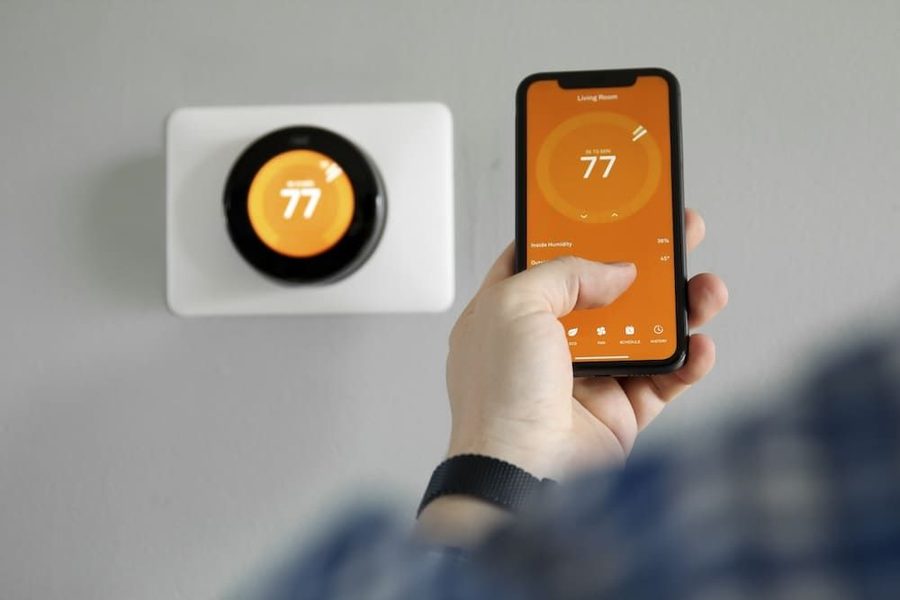
Smart home technology can make everyday life more convenient, give you greater control over your home’s systems, and help you manage lighting, comfort, security, and energy use. But with smart switches, thermostats, cameras, outlets, locks, sensors, and dozens of other connected devices available, figuring out where to start can feel overwhelming.
For Maryland homeowners, building a smart home does not have to mean automating everything at once. The best approach is to start with upgrades that solve an everyday problem or improve a system you already use frequently. Smart lighting, thermostats, switches, exterior lighting, and security devices can all be practical starting points, provided they are compatible with your home’s wiring and other technology.
What Are the Best Smart Home Upgrades to Start With?
For most homeowners, some of the best smart home upgrades include smart lighting and switches, a compatible smart thermostat, smart outlets, exterior lighting, video doorbells, security devices, and electrical improvements that support connected technology.
Before buying anything, think about what you want your smart home to accomplish.
Are you trying to make lighting more convenient? Manage energy use? Improve comfort? Monitor your home while you are away?
Starting with a clear goal makes it easier to choose technology you will actually use.
1. Start With Smart Lighting and Smart Switches
Smart lighting is one of the easiest ways to experience the benefits of home automation because lighting is something you use every day.
Depending on the products you choose, smart lighting can provide:
-
Remote control
-
Scheduling
-
Dimming
-
Motion-based automation
-
Voice control
-
Integration with other smart devices
You could schedule exterior lights to turn on in the evening, automate frequently used indoor lighting, or control lights remotely when you are away.
Smart Bulbs vs. Smart Switches
Smart bulbs provide individual control and can be useful for lamps or selected fixtures. However, someone turning off the traditional wall switch can sometimes interrupt power to the smart bulb.
Smart switches control lighting from the wall while also providing connected features. They can be particularly useful when several fixtures operate from the same switch.
Compatibility matters. Some smart switches require a neutral conductor or a particular wiring configuration. Older Maryland homes may not have the wiring a particular device expects, so checking compatibility before purchasing is important.
2. Consider a Smart Thermostat
A smart thermostat can provide more control over one of the home’s biggest energy-using systems: heating and cooling.
Features vary by model but may include:
-
Remote temperature adjustments
-
Automatic scheduling
-
Occupancy detection
-
Geofencing
-
Energy-use information
-
Temperature sensors
-
Smart home integration
ENERGY STAR-certified smart thermostats must demonstrate energy savings using real-world field data. However, actual household savings vary according to climate, HVAC equipment, temperature preferences, occupancy, and how the thermostat is used.
Make Sure Your HVAC System Is Compatible
Not every smart thermostat works with every heating and cooling system.
Heat pumps, multi-stage systems, variable-capacity equipment, and certain older HVAC systems may have specific control requirements. Some smart thermostats also require a common wire, often called a C-wire, or another approved method of providing continuous power.
Check both equipment and wiring compatibility before installation.
3. Add Smart Plugs and Outlets
Smart plugs are another simple way to add automation without changing an entire electrical system.
They can work well for appropriate loads such as:
-
Lamps
-
Holiday lighting
-
Small electronics
-
Certain household devices
Depending on the product, you may be able to create schedules, remotely turn devices on or off, or incorporate them into smart home routines.
Smart outlets offer similar functionality in a more permanent installation.
Always follow the manufacturer’s electrical ratings. A smart plug should not be used with equipment that exceeds its rated capacity or with devices the manufacturer does not approve for switched operation.
4. Upgrade Your Exterior Lighting
Smart technology can make outdoor lighting easier to manage while improving visibility around entrances, walkways, patios, and driveways.
Smart exterior lighting may provide scheduling, motion activation, remote operation, or integration with compatible cameras and security devices.
For example, compatible systems may allow exterior lights to activate when motion is detected or automatically follow an evening schedule.
Any permanently installed outdoor electrical equipment should be appropriate for its environment. Fixtures, electrical boxes, wiring methods, and connections need suitable weather protection, particularly with Maryland’s changing seasonal conditions.
5. Consider Video Doorbells and Smart Security Devices
Video doorbells, cameras, smart locks, and door or window sensors are popular smart home upgrades because they provide information about what is happening around the property.
Depending on the device, homeowners may receive notifications, view compatible cameras remotely, check whether a door is locked, or incorporate security devices into broader home automations.
These products can improve awareness and convenience, but they should not be treated as guarantees against theft or other security problems.
Power requirements also vary. Some devices operate on batteries, while others require low-voltage or line-voltage connections. Reliable Wi-Fi coverage may also be necessary for connected features.
6. Consider Smart Smoke and Carbon Monoxide Alarms
Some smoke and carbon monoxide alarms offer connected features such as remote notifications, device-status information, or integration with compatible smart home systems.
Those features can be useful, but safety requirements always come first.
Smart capabilities do not replace proper alarm placement, regular testing, appropriate replacement intervals, or compliance with applicable requirements. Any alarm should be listed and approved for its intended use and installed according to manufacturer instructions.
7. Add Smart Ceiling Fan Controls
Ceiling fans are another everyday system that can benefit from smart controls.
Compatible controls may allow you to adjust fan speed, operate attached lighting, create schedules, or integrate the fan with other smart home devices.
However, fan and lighting controls are not interchangeable. An ordinary light dimmer should not be used to control a ceiling fan motor unless the equipment is specifically designed for that application.
If you are upgrading an existing fan or wall control, verify that the devices are electrically compatible.
8. Protect Your Connected Electronics
A modern smart home can contain a significant amount of sensitive electronic equipment, including TVs, computers, appliances, networking equipment, smart switches, and other connected devices.
Whole-home surge protection can be one part of a layered approach to protecting electronics from certain electrical surges.
A whole-home surge protective device is typically installed at the electrical panel and should be properly selected and installed for the home’s electrical system.
It is important to understand that no surge protective device can guarantee protection from every electrical event or direct lightning strike.
9. Make Sure Your Electrical System Can Support Your Plans
Smart technology still depends on traditional electrical infrastructure.
Reliable wiring, proper grounding, appropriate circuits, and a safe electrical panel provide the foundation for hardwired smart home devices.
Installing a few smart switches or outlets generally does not mean you need a new electrical panel. However, homeowners planning broader electrical upgrades may benefit from evaluating available capacity.
This becomes more important if future plans include an EV charger, heat pump, electric water heater, major appliances, additions, or other high-demand electrical equipment.
Thinking about those projects early can help you create a smarter home without losing sight of the electrical system supporting it.
10. Choose Compatible Smart Home Technology
One common frustration with smart home technology is discovering that devices do not work together as expected.
Products can communicate using technologies such as Wi-Fi, Bluetooth, Thread, Zigbee, and Z-Wave. They may also be designed for specific apps or smart home ecosystems.
Matter is an interoperability standard designed to improve connectivity between compatible smart home products and platforms. However, that does not mean every smart product works with every other device or that every feature will be available across platforms.
Before buying several devices, decide which smart home ecosystem or app you prefer and check compatibility.
Can Smart Home Technology Lower Your Energy Bills?
Some smart home technology can help reduce unnecessary energy use, but simply installing connected devices does not guarantee lower utility bills.
The greatest opportunities generally come from devices that control equipment consuming meaningful amounts of energy.
A smart thermostat, for example, can automatically adjust heating and cooling based on schedules or occupancy. Lighting controls can prevent lights from remaining on unnecessarily. Smart plugs can schedule or control appropriate connected loads.
The actual savings depend on the device, household habits, equipment being controlled, and how automation features are configured.
What Smart Home Upgrades Add the Most Value?
Instead of thinking only about resale value, consider which upgrades provide the most value to your daily routine.
For many homeowners, useful starting points include:
-
Smart lighting and switches
-
A compatible smart thermostat
-
Smart exterior lighting
-
Video doorbells and security devices
-
Smart plugs and outlets
-
Whole-home surge protection
The best smart home upgrade is one that solves an actual problem rather than adding technology simply because it is available.
Where Should Maryland Homeowners Start?
Start small.
First, identify what you want to improve. Then choose a compatible smart home platform and select one or two systems you use frequently.
Before installing hardwired devices, confirm that your existing electrical system is compatible. From there, you can gradually add technology that works with what you already have.
This approach can make a smart home easier to use, expand, and maintain.
Build a Smarter Maryland Home With Chesapeake Electric
Smart home technology can provide greater convenience, comfort, control, and insight without requiring you to automate your entire house overnight.
Chesapeake Electric can help Maryland homeowners plan and install electrical upgrades that support modern smart home technology, including smart switches, lighting controls, outlets, exterior lighting, surge protection, and other electrical improvements.
If you are ready to make your Maryland home smarter, contact Chesapeake Electric to discuss practical electrical upgrades that fit your home, technology, and goals.
Recent Posts
Best Outdoor Lighting for Maryland Homes: A Guide to Landscape, Security, and Waterfront Lighting
August 31, 2026
August 31, 2026
How Long Can a Whole-Home Generator Run During a Power Outage in Maryland?
August 31, 2026
August 31, 2026
Does Your Maryland Home Need a Service Panel Upgrade for an EV Charger?
July 30, 2026
July 30, 2026
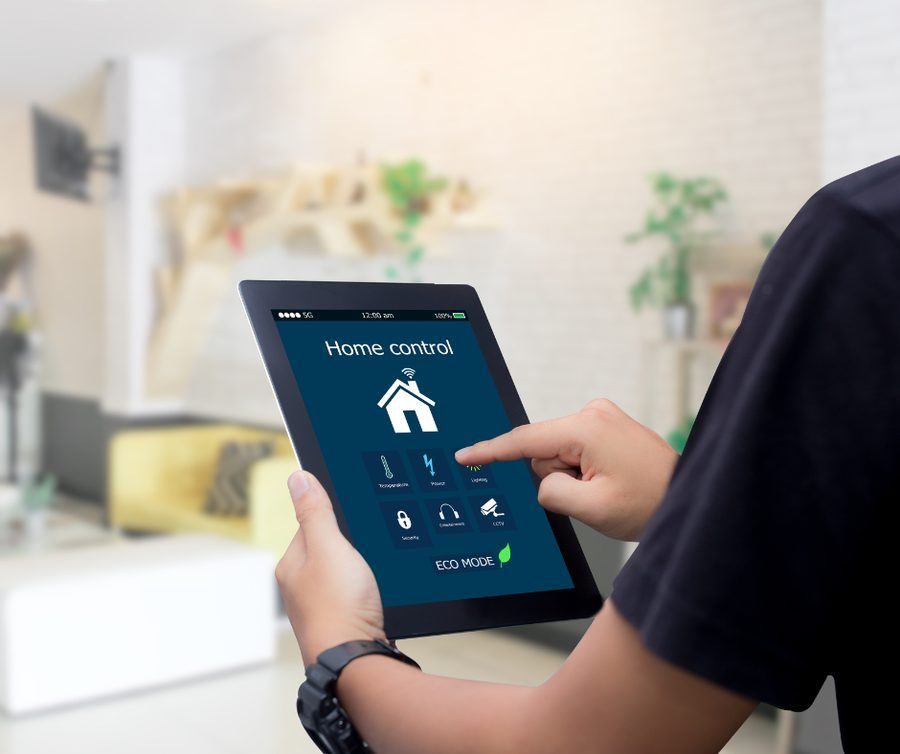
Coastal Humidity & Energy Bills: Smart Home Automation for Maryland Homes
July 29, 2026
July 29, 2026
Navigating Chesapeake Bay Tides: Code-Compliant Pier Power Installation in Maryland
July 29, 2026
July 29, 2026
Smart Electrical Panels vs. Traditional Panels: Are They Worth the Upgrade?
June 18, 2026
June 18, 2026

Outdoor Electrical Installations Near the Chesapeake Bay: What Homeowners Should Know
June 18, 2026
June 18, 2026