

Rated 4.9 on Google

Back to Blog
How Freezing Temperatures Can Affect Your Maryland Home’s Standby Generator
November 24, 2026
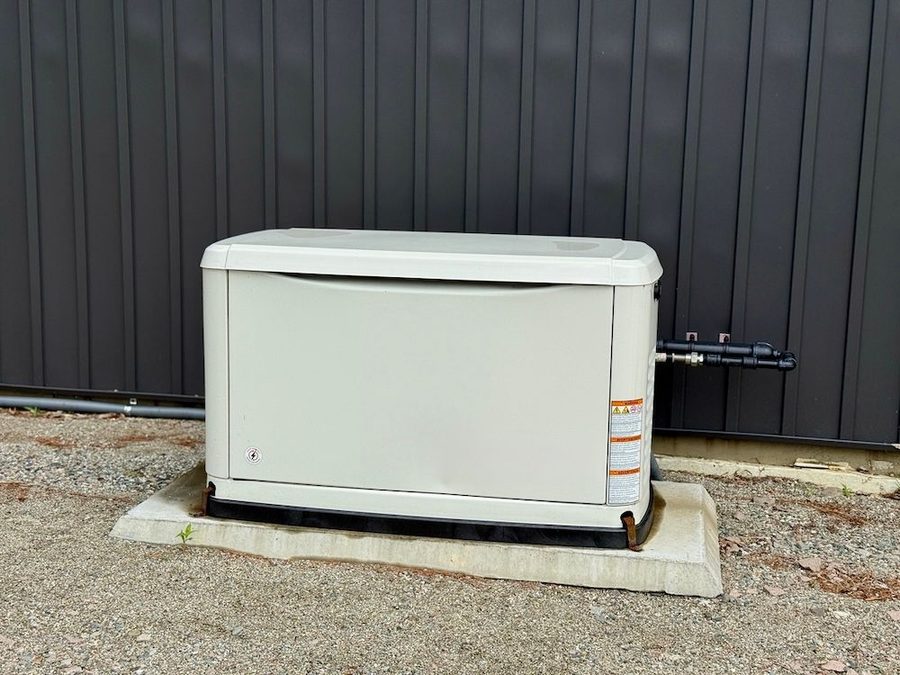
Maryland winters can bring freezing temperatures, heavy snowfall, ice storms, and unexpected power outages. For homeowners throughout Annapolis, Severna Park, and surrounding communities, a standby generator provides valuable backup power when severe weather disrupts electrical service.
Although whole-home generators are designed to operate outdoors, freezing temperatures can affect several critical components. Cold weather can make engines harder to start, reduce battery performance, and interfere with fuel delivery.
Understanding how winter weather affects your generator can help you take preventative measures and prepare your backup power system before the next Maryland winter storm.
How Do Freezing Temperatures Affect Standby Generators?
Freezing temperatures can affect standby generators by reducing battery performance, thickening engine oil, interfering with fuel delivery, and allowing snow or ice to obstruct ventilation. These conditions can make generators harder to start or prevent them from operating reliably during winter power outages.
While properly maintained standby generators are designed for outdoor operation, their cold-weather performance depends on equipment condition, fuel type, installation, and manufacturer specifications.
Here are five ways freezing temperatures can affect your Maryland home’s generator.
1. Cold Weather Can Weaken Your Generator’s Battery
Your standby generator depends on its battery to start automatically when utility power fails. Unfortunately, freezing temperatures can reduce a battery’s available starting power.
Why Do Generator Batteries Struggle in Freezing Temperatures?
Cold temperatures slow the chemical reactions inside batteries, reducing their ability to deliver sufficient starting power. At the same time, cold engines may require more energy to start.
Older batteries and those with existing charging problems are particularly vulnerable.
A weak battery can prevent your generator from starting even when an adequate fuel supply is available.
How Can You Prevent Winter Generator Battery Problems?
-
Schedule routine battery inspections and testing.
-
Have the battery charging system evaluated.
-
Replace deteriorating batteries when recommended.
-
Ask about manufacturer-approved battery warmers.
Professional battery testing before winter can help identify declining performance before an outage occurs.
2. Freezing Temperatures Can Thicken Generator Engine Oil
Engine oil lubricates moving components and helps protect your generator against excessive wear. As temperatures decrease, engine oil becomes thicker, potentially making startup more difficult.
Why Does Cold Engine Oil Affect Generator Performance?
Thicker engine oil can increase resistance when the engine attempts to start. It may also take longer to circulate throughout the engine, potentially contributing to increased wear during startup.
Using an oil viscosity that is unsuitable for colder temperatures can make these problems more noticeable.
Does Your Generator Need Special Oil for Winter?
The appropriate engine oil depends on your generator’s manufacturer, model, and expected operating temperatures.
To support reliable winter performance:
-
Follow manufacturer recommendations for oil type and viscosity.
-
Schedule oil changes at recommended maintenance intervals.
-
Ask about compatible cold-weather accessories.
-
Avoid using unapproved oils or additives.
Some standby generators may benefit from manufacturer-approved oil heaters that help support cold-weather startup.
3. Cold Weather Can Affect Generator Fuel Delivery
Your generator needs a consistent fuel supply to operate reliably. Freezing temperatures can affect fuel delivery differently depending on the type of generator you own.
How Does Cold Weather Affect Natural Gas Generators?
Natural gas generally remains usable during typical Maryland winter temperatures. However, moisture-related regulator problems, inadequate fuel pressure, or utility supply interruptions may affect generator operation.
Proper installation and fuel system maintenance are important for dependable performance.
How Does Cold Weather Affect Propane Generators?
Propane tank pressure decreases as outdoor temperatures drop. Cold conditions can also reduce the rate at which liquid propane vaporizes into usable fuel.
Low fuel levels or an undersized propane tank may make it more difficult to meet your generator’s fuel requirements during extended winter outages.
Can Diesel Generator Fuel Gel in Cold Weather?
At sufficiently low temperatures, diesel fuel can develop wax crystals that restrict fuel flow. This process, commonly called fuel gelling, can interfere with engine startup and operation.
Appropriate winter-grade diesel fuel and manufacturer-approved treatments may help reduce this risk.
Regardless of fuel type, professional generator maintenance can help identify potential fuel delivery concerns.
4. Snow and Ice Can Restrict Generator Ventilation
Snowstorms and freezing rain throughout Maryland can create problems around outdoor standby generator installations.
Even during freezing temperatures, generators require adequate airflow for combustion, cooling, and safe exhaust ventilation.
What Happens When Snow Accumulates Around a Generator?
Excessive snow or ice accumulation may cause:
-
Blocked air intake openings
-
Restricted exhaust flow
-
Inadequate ventilation
-
Engine overheating
-
Unexpected protective shutdowns
How Can You Protect Your Generator From Snow and Ice?
Maintain manufacturer-required clearances around your generator and keep accessible exterior areas free of accumulated snow and debris when safe.
Never cover an operating generator or obstruct its ventilation openings.
Generators produce carbon monoxide, a dangerous, odorless gas. Standby generators must remain properly installed outdoors, and portable generators should never be operated inside homes, garages, or other enclosed spaces.
5. Existing Generator Problems Can Become More Noticeable During Winter
Freezing temperatures can expose underlying equipment problems that may not be apparent during warmer weather.
Common issues include:
-
Weak or deteriorating batteries
-
Worn engine components
-
Faulty sensors
-
Electrical connection problems
-
Fuel delivery restrictions
-
Malfunctioning battery chargers
-
Overdue routine maintenance
Why Is Generator Testing Important Before Winter?
Many standby generators perform automatic exercise cycles to help maintain readiness and identify certain operating problems.
However, completing a scheduled exercise cycle does not necessarily guarantee that your generator will operate reliably under a full electrical load.
Professional generator inspections and appropriate operational testing can provide a more comprehensive assessment of your backup power system.
What Temperature Is Too Cold for a Standby Generator?
There is no universal minimum operating temperature for standby generators. Cold-weather operating limits vary depending on the manufacturer, model, fuel type, and equipment configuration.
Some generators may require additional cold-weather accessories at temperatures specified by the manufacturer.
What Is a Generator Cold-Weather Kit?
Depending on the equipment, a cold-weather kit may include:
-
Battery warmers
-
Engine oil heaters
-
Crankcase heaters
-
Other manufacturer-approved heating components
These accessories can help support reliable startup during freezing conditions. However, they are not necessary or compatible with every generator.
Consult your owner’s manual or a qualified generator professional to determine what your system requires.
How to Prepare Your Maryland Home’s Generator for Winter
Preventative generator maintenance can help reduce the risk of unexpected equipment problems during winter power outages.
Use this winter generator maintenance checklist:
-
Schedule professional generator maintenance.
-
Have the battery and charging system tested.
-
Review engine oil maintenance requirements.
-
Confirm adequate fuel availability.
-
Keep the surrounding area clear of snow and debris.
-
Check for warning lights or error codes.
-
Confirm scheduled exercise cycles are operating.
-
Ask about compatible cold-weather accessories.
-
Test carbon monoxide alarms according to manufacturer instructions.
Avoid attempting internal electrical, engine, or fuel system repairs yourself.
Signs Your Standby Generator Needs Professional Service Before Winter
Schedule professional generator service if you notice any of the following warning signs:
-
Difficulty starting during exercise cycles
-
Repeated startup failures
-
Unusual noises or excessive vibration
-
Warning lights or error messages
-
Unexpected shutdowns
-
Visible oil or fuel leaks
-
Failure to complete scheduled exercise cycles
Even if your generator appears to operate normally, staying current with manufacturer-recommended maintenance can help identify developing problems.
Keep Your Maryland Home Powered This Winter With Chesapeake Electric
Freezing temperatures, snow, and ice can affect your generator’s battery, engine lubrication, fuel delivery, and ventilation. Preparing your backup power system before severe winter weather arrives can help reduce the risk of unexpected equipment failure.
Whether your standby generator needs routine maintenance, professional troubleshooting, or replacement, addressing concerns now can help improve your home’s winter preparedness.
Don’t wait until a winter power outage to discover that your generator isn’t ready for freezing temperatures. Contact Chesapeake Electric today to schedule professional generator service in Maryland and prepare your home’s backup power system for the colder months ahead.
Recent Posts
Can Space Heaters Overload Your Maryland Home’s Electrical Circuits?
November 24, 2026
November 24, 2026
What Electrical Upgrades Are Needed to Modernize an Older Maryland Home?
November 24, 2026
November 24, 2026
7 Signs Your Maryland Home Needs an Electrical Panel Upgrade Before Winter
October 30, 2026
October 30, 2026

Can Recessed Lighting Make Your Maryland Home Look Bigger? 7 Benefits of Upgrading Your Lighting
October 30, 2026
October 30, 2026

5 Smart Home Features That Make Everyday Life Easier for Maryland Homeowners
October 30, 2026
October 30, 2026
5 Electronics and Appliances You’ll Want Protected From Fall Power Surges
September 22, 2026
September 22, 2026

Are Your Walkways Too Dark? Fall Outdoor Lighting Tips for Maryland Homeowners
September 22, 2026
September 22, 2026