

Rated 4.9 on Google

Back to Blog
What Electrical Upgrades Are Needed to Modernize an Older Maryland Home?
November 24, 2026
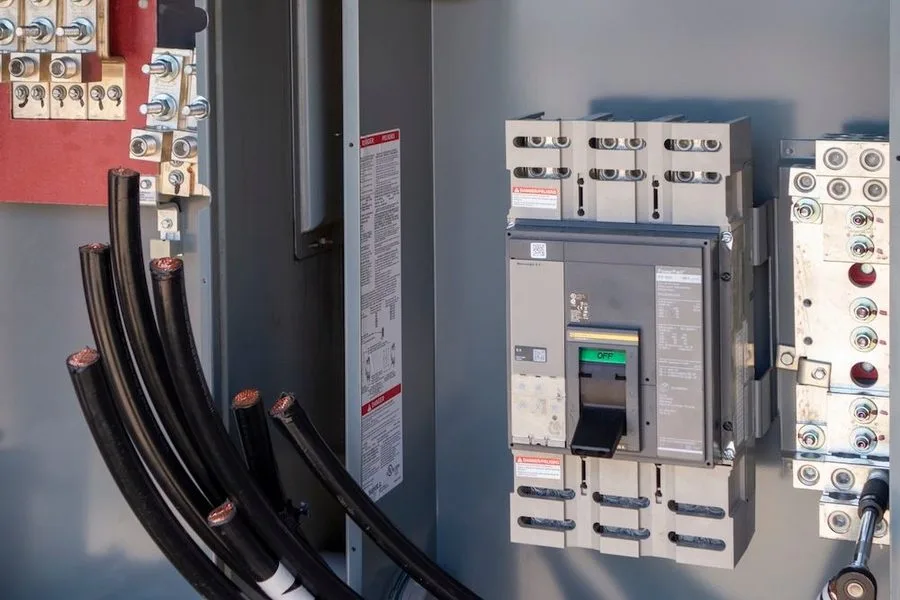
Older homes throughout Maryland offer architectural charm, unique craftsmanship, and character that can be difficult to replicate in newer construction. However, the electrical systems inside these homes may not have been designed to accommodate today’s appliances, electronics, and emerging technologies.
From historic properties in Annapolis to established neighborhoods in Severna Park, homeowners may encounter outdated wiring, limited electrical capacity, and insufficient safety features.
Modernizing your electrical system can improve safety, functionality, and convenience while preserving your home’s original character.
What Electrical Upgrades Does an Older Maryland Home Need?
The most important electrical upgrades for older Maryland homes may include electrical panel replacement, updated wiring, grounded outlets, GFCI and AFCI protection, dedicated circuits, whole-home surge protection, and modern lighting. Smart home technology and EV charging infrastructure may also be worthwhile additions.
The upgrades your home needs depend on its age, electrical system condition, existing capacity, and household power demands.
A professional electrical safety inspection is an excellent starting point for determining which improvements to prioritize.
1. Upgrade Your Electrical Panel to Meet Modern Power Demands
Older electrical panels may struggle to accommodate the growing number of appliances and electronic devices used in modern households.
Signs Your Electrical Panel Needs an Upgrade
-
Frequently tripping circuit breakers
-
Flickering or dimming lights when appliances operate
-
Limited space for additional circuits
-
Outdated fuse boxes
-
Insufficient capacity for new appliances
-
Plans to install an EV charger or electric heating equipment
An electrical panel upgrade can provide additional circuit capacity and, when combined with an appropriate service upgrade, accommodate increased household power demands.
Does Every Older Maryland Home Need a 200-Amp Electrical Panel?
Although 200-amp electrical service is common in modern homes, not every older property requires this capacity.
A licensed electrician can perform an electrical load calculation to determine the appropriate service capacity based on your current and anticipated electrical needs.
2. Replace Outdated or Deteriorating Electrical Wiring
Electrical wiring can deteriorate over time, particularly when insulation becomes damaged or connections loosen.
Depending on the property’s age and renovation history, older Maryland homes may contain:
-
Knob-and-tube wiring
-
Cloth-insulated wiring
-
Aluminum branch-circuit wiring
-
Ungrounded electrical wiring
-
Wiring with deteriorating insulation
The presence of older wiring does not automatically mean your entire electrical system is unsafe. However, its condition and suitability for modern electrical demands should be professionally evaluated.
Does an Older Home Need Complete Rewiring?
Not necessarily. Some homes may only require targeted wiring upgrades, while others may benefit from whole-home rewiring.
An electrician can evaluate wiring condition, grounding, electrical capacity, and existing safety concerns to determine the appropriate solution.
3. Install Grounded Outlets, GFCIs, and AFCIs
Modern electrical protection devices can help reduce electrical shock and fire risks.
Why Should Older Two-Prong Outlets Be Evaluated?
Two-prong outlets may lack equipment grounding, which provides an important safety function for many modern appliances and electronic devices.
Simply replacing a two-prong outlet with a three-prong outlet does not establish proper grounding.
A licensed electrician can identify appropriate, code-compliant options based on your home’s existing wiring.
What Is the Difference Between GFCI and AFCI Protection?
-
Ground fault circuit interrupters (GFCIs): Help protect people against electrical shock caused by ground faults. They are commonly required in kitchens, bathrooms, garages, and outdoor areas.
-
Arc fault circuit interrupters (AFCIs): Help reduce electrical fire risks associated with certain dangerous arcing conditions.
Applicable requirements depend on circuit locations, renovation scope, and locally adopted electrical codes.
4. Add Dedicated Circuits for Modern Appliances and Equipment
Older Maryland homes may have fewer electrical circuits than modern households require. Sharing circuits between multiple high-powered appliances can contribute to electrical overloads and frequent breaker trips.
What Appliances May Need Dedicated Electrical Circuits?
-
Electric ranges and ovens
-
Clothes dryers
-
Dishwashers
-
Electric water heaters
-
HVAC equipment
-
EV charging stations
-
Certain high-powered kitchen appliances
Properly sized dedicated circuits help accommodate equipment requirements and support dependable operation.
If you frequently rely on extension cords or power strips because your home lacks sufficient outlets, consider having an electrician evaluate your electrical infrastructure.
5. Install Whole-Home Surge Protection
Modern households contain more sensitive electronic equipment than homes did decades ago. Electrical surges can damage appliances, entertainment systems, and electronic control boards.
Whole-home surge protection can help protect:
-
Computers and televisions
-
Smart home devices
-
HVAC equipment
-
Kitchen appliances
-
Home entertainment systems
-
Electronic appliance control boards
Maryland thunderstorms, utility power fluctuations, and electrical switching events can contribute to transient voltage spikes.
A professionally installed whole-home surge protection system can help limit damage from these events. However, no surge protection device can guarantee protection against every electrical surge or direct lightning strike.
6. Modernize Interior and Exterior Lighting
Lighting upgrades can improve energy efficiency, functionality, accessibility, and aesthetics without sacrificing an older home’s architectural character.
Popular electrical lighting upgrades include:
-
Energy-efficient LED lighting
-
Recessed lighting
-
Under-cabinet kitchen lighting
-
Dimmer switches
-
Motion-activated lighting
-
Outdoor security lighting
For homeowners in historic Annapolis neighborhoods, thoughtful lighting design can highlight traditional architectural features while providing modern convenience.
Older wiring, electrical boxes, ceiling construction, and applicable historic preservation requirements may influence installation options.
7. Prepare Your Electrical System for Smart Home Technology and EV Charging
Modernizing your electrical infrastructure can help prepare your home for evolving technology and future power demands.
What Smart Home Electrical Upgrades Are Worth Considering?
Smart lighting controls, automated outdoor lighting, smart switches, USB charging outlets, and home energy monitoring systems can improve everyday convenience.
However, some smart switches require neutral wiring that may not be present in older electrical boxes.
Can an Older Maryland Home Support an EV Charger?
Many older homes can accommodate an electric vehicle charging station with appropriate electrical infrastructure.
Before installation, an electrician should evaluate electrical service capacity, available panel space, dedicated circuit requirements, and potential load management options.
Installing an EV charger does not automatically require an electrical panel upgrade. Your home’s existing capacity and charging requirements will help determine what improvements are necessary.
How Do You Know If Your Older Maryland Home Needs Electrical Upgrades?
Common warning signs of an outdated or deteriorating electrical system include:
-
Frequently tripping circuit breakers
-
Flickering or dimming lights
-
Warm or discolored outlets
-
Buzzing sounds from switches or outlets
-
Burning odors near electrical components
-
Limited grounded outlets
-
Excessive reliance on extension cords
-
Insufficient capacity for modern appliances
Burning odors, sparking, and signs of overheating require prompt professional attention. Stop using affected electrical components until they have been professionally evaluated.
Which Electrical Upgrades Should You Prioritize First?
Modernizing an older home does not necessarily require completing every electrical upgrade at once.
Start with a professional electrical safety inspection to identify potential hazards. Prioritize damaged wiring, inadequate electrical capacity, grounding concerns, and necessary circuit protection.
Once essential safety improvements are addressed, consider functionality and convenience upgrades such as additional outlets, dedicated circuits, surge protection, modern lighting, smart home technology, and EV charging infrastructure.
A licensed electrician can help develop a modernization plan based on your home’s condition, household needs, renovation goals, and budget.
Modernize Your Maryland Home With Chesapeake Electric
Your older Maryland home can retain its original charm while benefiting from modern electrical safety features, improved functionality, and increased convenience.
Whether your home needs an electrical panel upgrade, updated wiring, additional outlets, whole-home surge protection, or modern lighting, professional electrical services can help prepare your property for today’s power demands.
Contact Chesapeake Electric today to schedule a professional electrical evaluation and discover which electrical upgrades are right for your older Maryland home.
Recent Posts
Can Space Heaters Overload Your Maryland Home’s Electrical Circuits?
November 24, 2026
November 24, 2026
How Freezing Temperatures Can Affect Your Maryland Home’s Standby Generator
November 24, 2026
November 24, 2026
7 Signs Your Maryland Home Needs an Electrical Panel Upgrade Before Winter
October 30, 2026
October 30, 2026
Can Recessed Lighting Make Your Maryland Home Look Bigger? 7 Benefits of Upgrading Your Lighting
October 30, 2026
October 30, 2026
5 Smart Home Features That Make Everyday Life Easier for Maryland Homeowners
October 30, 2026
October 30, 2026
5 Electronics and Appliances You’ll Want Protected From Fall Power Surges
September 22, 2026
September 22, 2026

Are Your Walkways Too Dark? Fall Outdoor Lighting Tips for Maryland Homeowners
September 22, 2026
September 22, 2026