

Rated 4.9 on Google

Back to Blog
Can Space Heaters Overload Your Maryland Home’s Electrical Circuits?
November 24, 2026
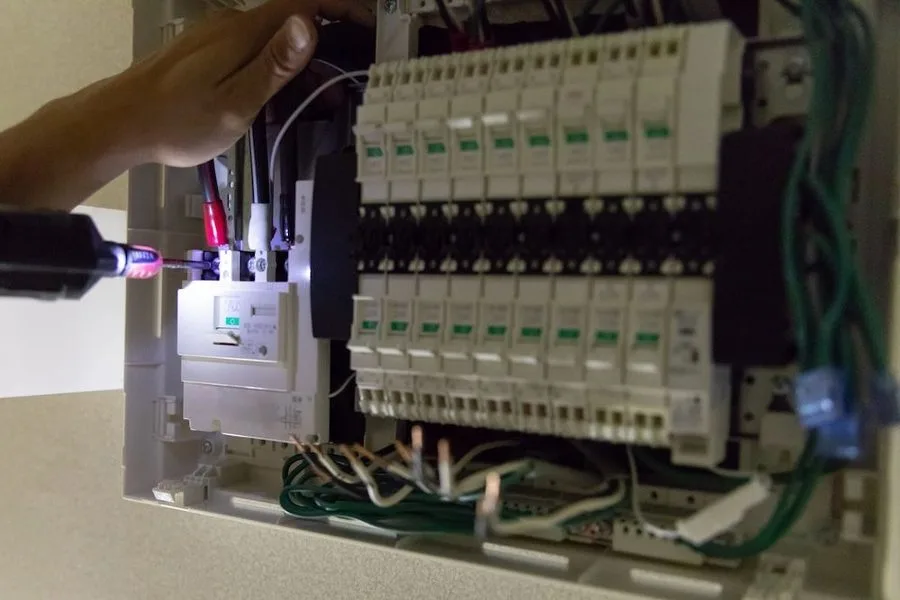
When winter temperatures drop across Maryland, many homeowners turn to portable space heaters for extra warmth. Whether you’re heating a drafty bedroom, a basement, or a home office, these compact devices can make chilly spaces more comfortable.
However, space heaters consume a significant amount of electricity. In homes with aging wiring, limited electrical circuits, or outdated electrical panels, supplemental heating can introduce additional safety concerns.
Understanding how space heaters affect your electrical system can help you prevent overloaded circuits, damaged outlets, and potential electrical fires this winter.
Can Space Heaters Overload Your Home’s Electrical Circuits?
Yes, space heaters can overload electrical circuits because many portable electric heaters draw up to 1,500 watts of power. When combined with other devices operating on the same circuit, this demand can exceed the circuit’s capacity, causing breaker trips, overheating, or potential fire hazards.
Homeowners throughout Annapolis, Severna Park, and surrounding Maryland communities should be particularly mindful of electrical capacity when using supplemental heating equipment.
How Much Electricity Does a Space Heater Use?
Many standard portable electric space heaters operate at up to 1,500 watts on a 120-volt electrical circuit.
A 1,500-watt space heater draws approximately 12.5 amps. Considering that many residential branch circuits are rated for 15 or 20 amps, a single heater can consume a substantial portion of a circuit’s capacity.
Other devices operating on the same circuit increase the total electrical load. Circuit ratings and applicable continuous-load requirements must also be considered when determining safe electrical capacity.
Unlike everyday electronics, electric resistance heaters require considerable power to generate heat.
Why Does My Space Heater Keep Tripping the Circuit Breaker?
A circuit breaker that repeatedly trips when you operate a space heater may indicate an overloaded circuit or another electrical problem.
Too Many Devices Are Sharing the Same Circuit
Operating a space heater alongside other electrical devices can exceed the circuit’s available capacity.
Additional electrical loads may include:
-
Computers and monitors
-
Televisions
-
Coffee makers
-
Hair dryers
-
Microwaves
-
Other portable heating equipment
Remember that outlets in different rooms may share the same electrical circuit.
Your Home Has Aging or Damaged Electrical Components
Deteriorating wiring, loose electrical connections, damaged outlets, and faulty circuit breakers can contribute to electrical problems when operating high-powered equipment.
Your Space Heater May Have an Electrical Fault
Damaged power cords, internal electrical faults, or malfunctioning heater components may also cause protective devices to trip.
Never repeatedly reset a circuit breaker without addressing the underlying problem. Frequent trips indicate that something needs attention.
Are Space Heaters More Dangerous in Older Maryland Homes?
Older homes throughout Annapolis and Anne Arundel County may have electrical systems originally designed for lower household power demands.
Common electrical limitations include:
-
Fewer available electrical circuits
-
Aging or deteriorating wiring
-
Outdated electrical panels
-
Loose or worn electrical outlets
-
Limited electrical service capacity
-
Ungrounded outlets
A home’s age alone does not determine whether its electrical system is safe. Previous electrical upgrades, wiring condition, and available circuit capacity are also important.
If your older Maryland home experiences recurring electrical problems when using space heaters, consider scheduling a professional electrical safety inspection.
5 Warning Signs of Electrical Problems When Using a Space Heater
Recognizing electrical warning signs can help you address potential hazards before they become more serious.
1. Frequently Tripping Circuit Breakers
Circuit breakers protect electrical wiring from excessive current. Repeated trips when operating a space heater may indicate an overloaded circuit or electrical fault.
2. Hot or Discolored Electrical Outlets
Excessively hot outlets, discoloration, or melted plastic may indicate overheating or damaged electrical connections.
3. Flickering or Dimming Lights
Noticeable lighting changes when a space heater operates may indicate electrical load or connection problems that require investigation.
4. Burning Odors Near Electrical Components
Burning plastic smells or unusual electrical odors may indicate overheating wiring, damaged outlets, or failing components.
5. Buzzing or Crackling Sounds
Unusual sounds coming from outlets, switches, or electrical panels may indicate loose connections or electrical faults.
If you notice these warning signs, stop using the affected equipment and seek professional electrical assistance. If smoke or fire is present, evacuate your home and call 911.
Can You Plug a Space Heater Into a Power Strip or Extension Cord?
No. Portable electric space heaters should be plugged directly into an appropriate wall outlet rather than a power strip, surge protector, or extension cord.
These accessories may not be designed to handle the sustained electrical demand of a space heater.
Potential hazards include:
-
Overheated power cords
-
Damaged electrical connections
-
Melted plugs or receptacles
-
Increased fire risks
A surge protector does not increase a circuit’s electrical capacity or make an overloaded circuit safe.
Always follow your space heater manufacturer’s electrical and operating instructions.
Does a Space Heater Need a Dedicated Electrical Circuit?
Not every portable space heater requires a dedicated electrical circuit. However, some households may benefit from additional circuit capacity.
A dedicated circuit supplies electricity to a specific appliance or outlet without sharing its capacity with unrelated devices.
Maryland homeowners may want to consider dedicated circuit installation if they experience:
-
Frequent breaker trips when using supplemental heating
-
Multiple high-powered devices sharing a circuit
-
Regular space heater use in a home office or basement
-
Limited available electrical circuits
A licensed electrician can evaluate your home’s wiring, circuit capacity, and equipment requirements to determine whether additional circuits are appropriate.
How to Use Space Heaters Safely During Maryland Winters
Following proper space heater safety practices can help reduce electrical and fire hazards.
-
Plug space heaters directly into appropriate wall outlets.
-
Keep heaters at least three feet away from combustible materials.
-
Avoid operating multiple space heaters on the same circuit.
-
Never run power cords underneath rugs or furniture.
-
Inspect heater cords and plugs for visible damage.
-
Turn heaters off before leaving the room or going to sleep.
-
Choose heaters with recognized safety certifications, tip-over protection, and automatic overheating shutoff features.
-
Keep children and pets away from operating heaters.
-
Test smoke alarms according to manufacturer instructions.
-
Follow all manufacturer operating instructions.
Space heaters should supplement your home’s primary heating system rather than serve as a permanent solution to inadequate heating.
Do You Need an Electrical Panel Upgrade to Use a Space Heater?
A frequently tripping circuit breaker does not automatically mean your electrical panel needs replacement. The problem may involve an individual branch circuit rather than your home’s overall electrical service capacity.
However, an electrical panel or service upgrade may be appropriate if your home has:
-
Insufficient electrical service capacity
-
An outdated or deteriorating electrical panel
-
Limited space for additional circuits
-
Increasing household electrical demands
Never replace a circuit breaker with a higher-amperage breaker without having the wiring and circuit capacity professionally evaluated. Doing so can create a serious fire hazard.
An electrical safety inspection and load calculation can help determine whether your home needs electrical repairs, additional circuits, or a panel upgrade.
Keep Your Maryland Home Electrically Safe This Winter With Chesapeake Electric
Space heaters can provide welcome warmth during Maryland winters, but their electrical demands should not be overlooked. Frequent breaker trips, overheating outlets, flickering lights, and unusual electrical odors are warning signs that deserve professional attention.
Whether your home needs circuit breaker troubleshooting, electrical repairs, dedicated circuit installation, or an electrical panel upgrade, professional service can help address electrical safety concerns.
Is your space heater constantly tripping a circuit breaker? Contact Chesapeake Electric today to schedule a professional electrical safety inspection and help keep your Maryland home warm and electrically safe this winter.
Recent Posts
What Electrical Upgrades Are Needed to Modernize an Older Maryland Home?
November 24, 2026
November 24, 2026
How Freezing Temperatures Can Affect Your Maryland Home’s Standby Generator
November 24, 2026
November 24, 2026
7 Signs Your Maryland Home Needs an Electrical Panel Upgrade Before Winter
October 30, 2026
October 30, 2026
Can Recessed Lighting Make Your Maryland Home Look Bigger? 7 Benefits of Upgrading Your Lighting
October 30, 2026
October 30, 2026

5 Smart Home Features That Make Everyday Life Easier for Maryland Homeowners
October 30, 2026
October 30, 2026
5 Electronics and Appliances You’ll Want Protected From Fall Power Surges
September 22, 2026
September 22, 2026

Are Your Walkways Too Dark? Fall Outdoor Lighting Tips for Maryland Homeowners
September 22, 2026
September 22, 2026