

Rated 4.9 on Google

Back to Blog
Smart Electrical Panels vs. Traditional Panels: Are They Worth the Upgrade?
June 18, 2026
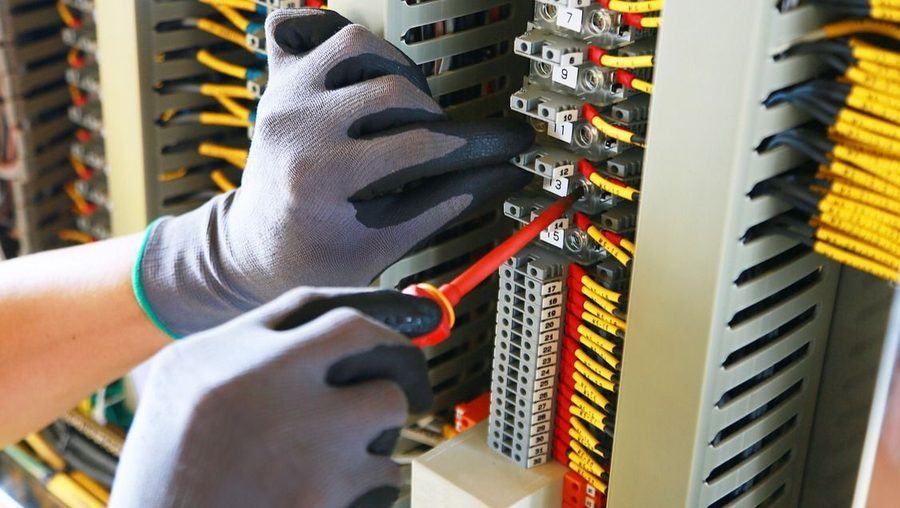
The standard residential electrical panel has remained largely unchanged for over half a century. Tucked away in a dark corner of the basement or garage, the traditional gray metal breaker box operates on simple mechanical principles: current flows in from the municipal utility grid, passes through manual switches, and distributes power to your household branch circuits. If a line draws too much current, a bimetal strip heats up and mechanically snaps the circuit shut. While this analog infrastructure has reliably protected homes for decades, the rapid electrification of the modern household is pushing these traditional load centers to their absolute architectural limits.
Between charging electric vehicles, powering high-efficiency heat pumps, and running smart home networks, the energy profile of a Maryland household looks completely different from what it did even a decade ago. Managing these high-density demands has introduced a revolutionary technological alternative to the residential market: the smart electrical panel. Companies like Chesapeake Electric now routinely install advanced systems like the SPAN smart panel across Annapolis and surrounding communities, fundamentally shifting how properties process and control power. This comprehensive guide explores the structural differences between traditional and smart panel hardware, helping you determine if the digital upgrade delivers a measurable return on investment for your home.
The Technology Split: Static Metal vs. Intelligent Silicon
To evaluate whether a smart electrical panel justifies its premium installation cost, it helps to understand how moving from basic mechanical switches to integrated computer microchips transforms daily grid operations.
Comparing Architectural Capabilities and Data Access
Traditional boxes act as blind, passive gatekeepers, whereas an intelligent energy hub functions as a responsive two-way communication center for your entire property asset:
-
Per Circuit Real Time Consumption Auditing: Traditional panels offer no insight into your power usage until your utility bill arrives. Smart panels continually measure voltage and current frequencies at the individual breaker level, streaming precise energy tracking data straight to your smartphone application.
-
Solid State Remote Circuit Control: Shutting down a circuit on a traditional board requires physically walking to the box and throwing a heavy plastic toggle. Intelligent panels utilize integrated solid-state relays, allowing you to cut power or reboot specific branch lines remotely from anywhere in the world.
-
Proactive Electrical Fault Notifications: Standard panels only alert you to a systemic failure after a breaker actively trips, and the room goes completely dark. Digital systems scan for microscopic voltage fluctuations and abnormal cycling patterns, texting you an alert before a loose wire or failing appliance can trigger an emergency.
-
Seamless Renewable Microgrid Interconnections: Combining solar arrays, battery storage banks, and alternative vehicle chargers with a traditional panel requires installing expensive, complicated external transfer switches and sub-panels. A smart load center houses these gateways natively within its main chassis.
The Grid Liberation Power: Dynamic Load Shedding
The ultimate financial and operational advantage of a smart electrical panel becomes clear when analyzing how it manages backup power during localized utility grid failures or severe coastal storms along the Chesapeake watershed.
Maximizing Battery and Generator Storage Longevity
During an unexpected blackout, a traditional panel dumps your remaining backup energy blindly across the entire house unless you manually rush downstairs to shut off heavy appliance breakers:
-
Automated Priority Management Blueprints: Through an intuitive smartphone application, you can pre-classify your home circuits into essential, priority, and non-essential tiers. The system automatically drops power to non-essential loads like pool pumps or clothes dryers the millisecond grid power drops out.
-
Dynamic Battery Longevity Multiplication: By actively shedding heavy, non-critical loads on the fly, a smart panel can extend the operational life of a home backup battery storage system by thirty to sixty percent, keeping your lights, medical equipment, and refrigeration active for days instead of hours.
-
Ditching Expensive Whole Home Service Upgrades: If you add a Level Two electric vehicle charger or an induction cooktop to a traditional one hundred-amp service, local building codes usually require a costly full utility service upgrade. A smart panel utilizes automated load-shedding algorithms to pause vehicle charging when your kitchen range is active, letting you safely run high-demand appliances on your existing service footprint.
-
Sleek Integrated Touchscreen Physical Interfaces: Beyond wireless application controls, modern smart load centers feature robust, exterior weather-sealed touchscreens that allow on-site technicians or emergency personnel to instantly audit whole-house diagnostics without opening high-voltage internal shield plates.
The Financial Math: Upfront Investment vs. Structural Returns
There is no avoiding the reality that transitioning to an intelligent power infrastructure requires a substantial financial commitment compared to a standard panel swap. Evaluating the true value of the upgrade means balancing the initial installation invoice against long-term operational returns.
Deciding Which System Matches Your Home’s Future
Determining whether a smart electrical panel is worth the financial premium comes down to your long-term property goals, your active lifestyle equipment, and how you manage your monthly utility footprint. If you are executing a simple, budget-conscious panel modernization on a standard suburban home with no immediate plans to alter your utility profile, a traditional two-hundred-amp main breaker box remains an incredibly robust, time-tested, and completely dependable asset that will quietly protect your home for another forty years.
However, if you are actively future-proofing your home by investing in a residential solar array, integrating a whole-home backup battery bank, or setting up rapid electric vehicle charging systems, a smart electrical panel transitions from an interesting luxury into a vital operational necessity. It removes the structural bottlenecks that limit modern green technologies, stops phantom power drain, and gives you total, transparent control over every single watt of power your family consumes. Upgrading your core electrical framework to silicon-based management transforms your property into a highly efficient, resilient, and fully automated microgrid.
Explore Your Infrastructure Options with Chesapeake Electric
Navigating the technical requirements of service panel engineering and microgrid integration demands licensed, master-level trade precision. The certified electrical experts at Chesapeake Electric possess extensive, hands-on field experience installing both premium traditional service panels and cutting-edge smart panel systems throughout Annapolis and the greater Maryland region. Our technicians take the time to audit your active household energy footprint, evaluate your existing service infrastructure, and provide transparent, upfront pricing models with zero hidden fees.
Contact our team today to arrange a comprehensive in-home load assessment and discover the ideal power strategy for your property.

Recent Posts
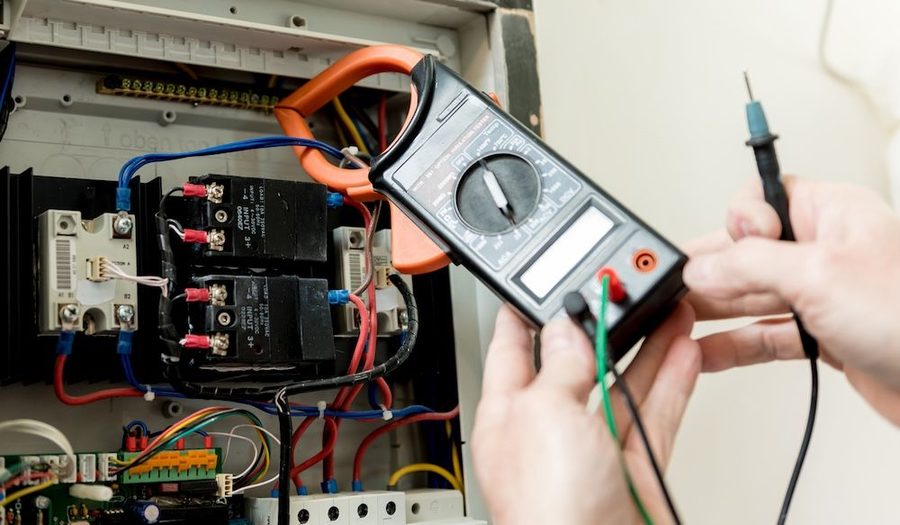
5 Electronics and Appliances You’ll Want Protected From Fall Power Surges
September 22, 2026
September 22, 2026

Are Your Walkways Too Dark? Fall Outdoor Lighting Tips for Maryland Homeowners
September 22, 2026
September 22, 2026
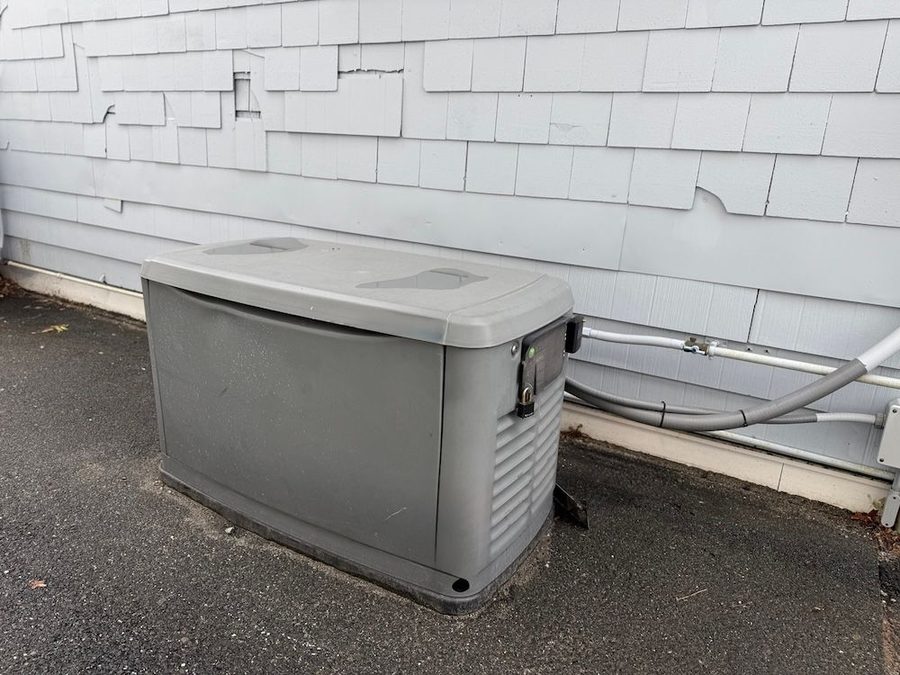
5 Signs Your Standby Generator Needs Service Before a Maryland Winter
September 22, 2026
September 22, 2026

Best Outdoor Lighting for Maryland Homes: A Guide to Landscape, Security, and Waterfront Lighting
August 31, 2026
August 31, 2026
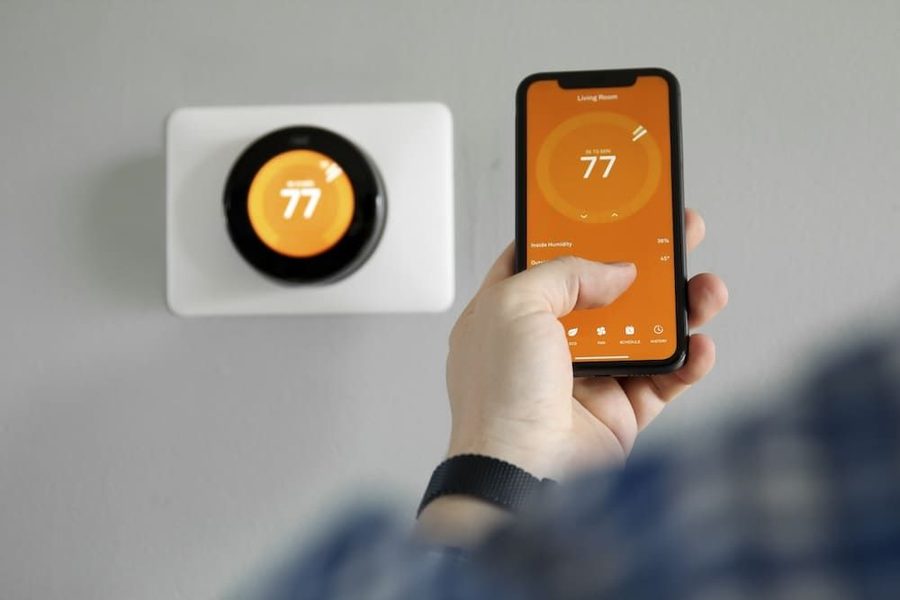
Best Smart Home Upgrades for Maryland Homeowners: Where to Start
August 31, 2026
August 31, 2026
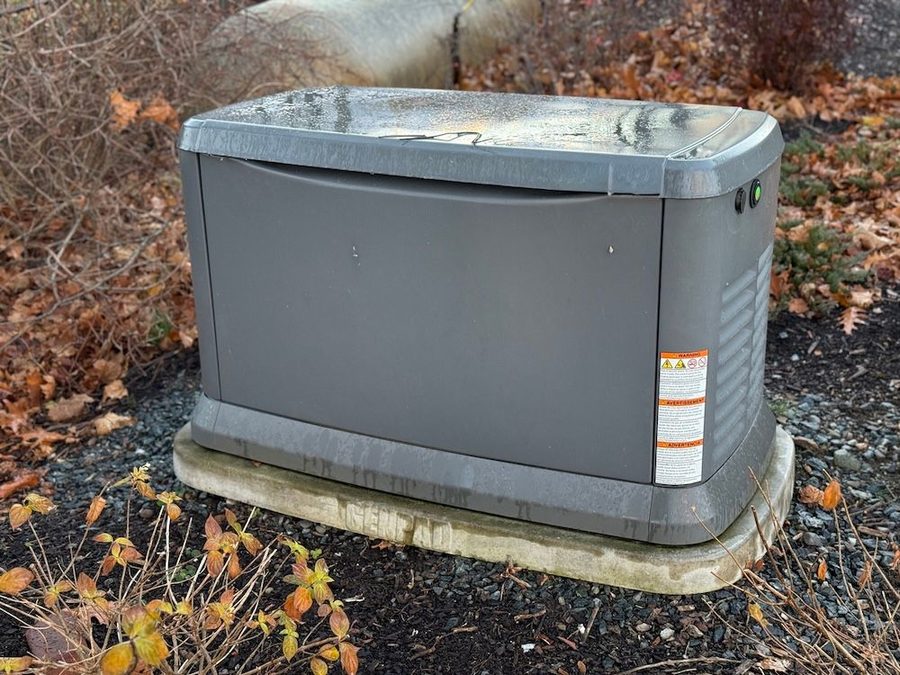
How Long Can a Whole-Home Generator Run During a Power Outage in Maryland?
August 31, 2026
August 31, 2026
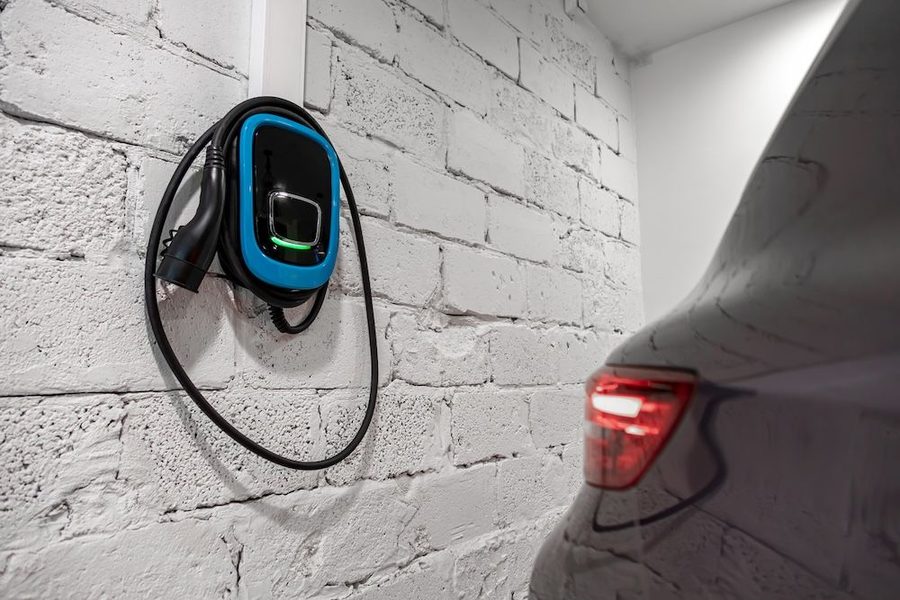
Does Your Maryland Home Need a Service Panel Upgrade for an EV Charger?
July 30, 2026
July 30, 2026