

Rated 4.9 on Google

Back to Blog
Does Your Maryland Home Need a Service Panel Upgrade for an EV Charger?
July 30, 2026
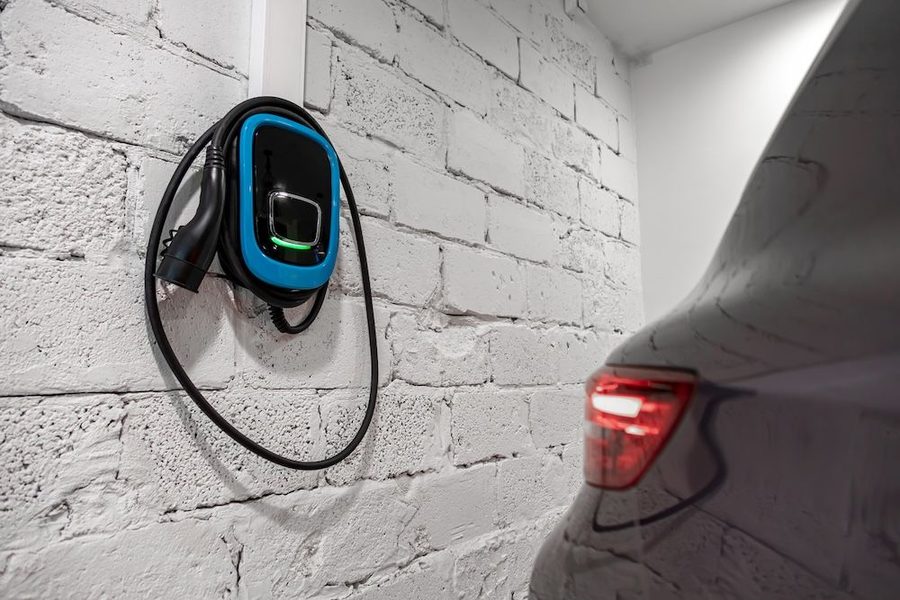
Driving an electric vehicle across Maryland, whether commuting along the I-95 corridor, navigating Washington D.C. traffic, or taking weekend trips across the Chesapeake Bay Bridge, offers undeniable perks. You get smooth performance, zero tailpipe emissions, and complete freedom from gas stations. However, waking up every morning to a fully charged battery requires a reliable Level 2 home charging station.
Unlike standard 120-volt Level 1 chargers that plug into a regular wall outlet and add a slow 3 to 5 miles of range per hour, a 240-volt Level 2 charger (such as a Tesla Wall Connector, ChargePoint Home Flex, or Grizzl-E) delivers 25 to 45 miles of range per hour. But adding a high-draw Level 2 EV charger introduces one of the single largest continuous electrical loads a home can experience. Chesapeake Electric specializes in certified EV charger installations, precision load calculations, and main service panel upgrades across Maryland. This guide breaks down how to tell if your electrical panel can support an EV charger, the mathematical realities of electrical capacity, and your options if your panel is maxed out.
The Electrical Math: Continuous Loads and Amperage Demand
To understand if your panel can handle an EV charger, you have to look at the numbers. Under the National Electrical Code (NEC Article 625), EV chargers are classified as continuous loads. A continuous load is an appliance that draws maximum current uninterrupted for three hours or more.
Because continuous loads build up heat inside your breaker box, the NEC requires the dedicated circuit breaker and wiring to be rated at 125% of the charger’s maximum output. Adding a 50-amp or 60-amp double-pole breaker to your panel is the electrical equivalent of installing an entire second central air conditioner or electric furnace.
3 Factors That Determine If Your Panel Needs an Upgrade
A licensed master electrician evaluates three primary factors to determine whether your current system can safely accommodate that new 240V dedicated circuit:
1. Total Main Service Amperage Rating
Open your electrical panel door and look at the main breaker switch at the very top. The number stamped on that double-pole switch indicates your home’s total electrical capacity from BGE, Pepco, or SMECO:
-
100-Amp Service: Common in historic or mid-20th-century Maryland homes. A 100-amp panel operating modern appliances (central AC, electric dryer, microwave) rarely has enough remaining headroom to add a 40A or 50A EV charger without triggering severe overload risks.
-
150-Amp Service: Common in homes built between 1980 and 2000. Depending on whether your heating and water heating systems run on natural gas or electricity, a 150-amp panel may have enough room, but requires a formal load calculation.
-
200-Amp+ Service: The modern building standard. Most 200-amp panels have sufficient capacity for a Level 2 EV charger, provided the panel does not already support multiple high-draw luxuries like hot tubs or dual HVAC systems.
NEC Load Calculation (Headroom)
You cannot simply add up the numbers on your circuit breaker handles to determine available power. Circuit breakers represent peak circuit capacity, not active power draw. Electricians perform a standardized NEC Article 220 load calculation. This calculation factors in your home’s total square footage, general lighting loads, fixed appliances (refrigerator, dishwasher), and major motor/HVAC loads to reveal your actual peak demand.
If your home’s calculated peak load is 160 amps on a 200-amp panel, you have 40 amps of headroom, perfect for a Level 2 charger. But if your peak load is already 90 amps on a 100-amp panel, attempting to pull 40 continuous amps for an EV will trip your main breaker or cause dangerous thermal stress.
Physical Breaker Slot Availability
A Level 2 EV charger requires a double-pole breaker, which occupies two physical, full-width slot spaces inside your panel box. If your breaker box is completely packed with no open slots left, you cannot physically install the new circuit without reconfiguring the panel, adding tandem breakers (if permitted by panel design), or upgrading to a larger load center.
Alternative Solutions If Your Panel Is Maxed Out
If a load calculation reveals that your electrical panel lacks the capacity for a traditional Level 2 charger, you do not automatically have to panic. Modern electrical engineering provides a few smart options:
-
Smart Energy Management Systems (SEMS) / Load Shedders: A UL-listed load management device monitors your home’s main power draw in real time. If your electric clothes dryer or heat pump turns on while your EV is charging, the SEMS automatically pauses or throttles down the EV charger draw, resuming full charging speed once the other appliance turns off. This allows you to safely install an EV charger without a full service panel upgrade.
-
Adjusting Charger Amperage Output: Many modern smart EV chargers allow a licensed electrician to hardwire or program the unit to operate at lower output settings (such as 16A or 24A on a 20A or 30A circuit breaker). While charging takes slightly longer, it slashes the load demand on your panel.
-
Executing a Full 200-Amp Main Service Panel Upgrade: The ultimate future-proof solution. Upgrading to a modern 200-amp or 225-amp main panel replaces outdated, worn-out breakers, provides ample physical space, and equips your home to handle EV chargers, solar power, and future electrical additions safely for decades.
Why Professional, Permitted Installation Is Mandatory
Attempting DIY installation of a 240V high-voltage circuit, or hiring an uncertified handyman, is a severe hazard. High-voltage continuous loads generate immense heat; a single loose screw terminal, improperly torqued connection, or undersized copper wire will cause terminal melting, arcing, and catastrophic electrical fires.
Under Maryland law and current electrical safety codes, permanently installed EV chargers must be installed by qualified, licensed electricians. Professional installation ensures proper local county permitting, utility coordination (with BGE, Pepco, or SMECO), precise torque setting checks, and guaranteed code compliance.
Charge Safely with Chesapeake Electric
Switching to an electric vehicle is an exciting step toward cleaner, lower-cost driving. Ensuring your home’s electrical foundation is ready to support that vehicle is the key to safe, effortless charging every single day.
The licensed master electricians at Chesapeake Electric specialize in complete residential EV charging solutions, precision NEC load calculations, smart energy management setups, and 200-amp service panel upgrades across Annapolis, Anne Arundel County, and surrounding Maryland communities.
We handle the entire process, from calculating your panel’s exact headroom and pulling county permits to installing your Level 2 wall connector cleanly and testing every safety parameter. Protect your home and fuel your drive with confidence.
Contact us today to schedule your EV charger installation!
Recent Posts
5 Electronics and Appliances You’ll Want Protected From Fall Power Surges
September 22, 2026
September 22, 2026

Are Your Walkways Too Dark? Fall Outdoor Lighting Tips for Maryland Homeowners
September 22, 2026
September 22, 2026
5 Signs Your Standby Generator Needs Service Before a Maryland Winter
September 22, 2026
September 22, 2026

Best Outdoor Lighting for Maryland Homes: A Guide to Landscape, Security, and Waterfront Lighting
August 31, 2026
August 31, 2026
Best Smart Home Upgrades for Maryland Homeowners: Where to Start
August 31, 2026
August 31, 2026
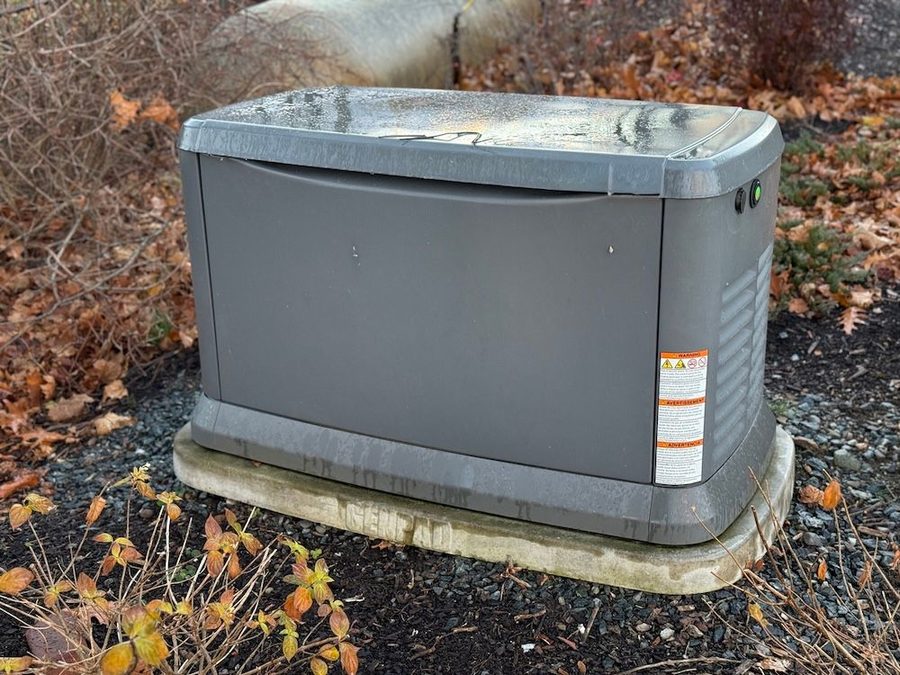
How Long Can a Whole-Home Generator Run During a Power Outage in Maryland?
August 31, 2026
August 31, 2026
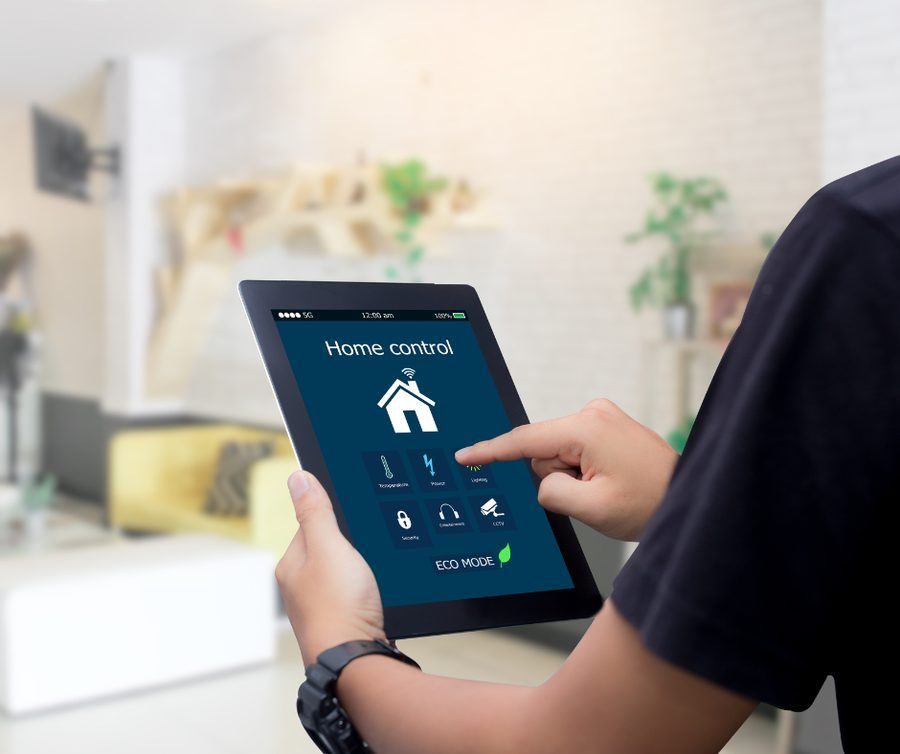
Coastal Humidity & Energy Bills: Smart Home Automation for Maryland Homes
July 29, 2026
July 29, 2026