

Rated 4.9 on Google

Back to Blog
5 Signs Your Standby Generator Needs Service Before a Maryland Winter
September 22, 2026
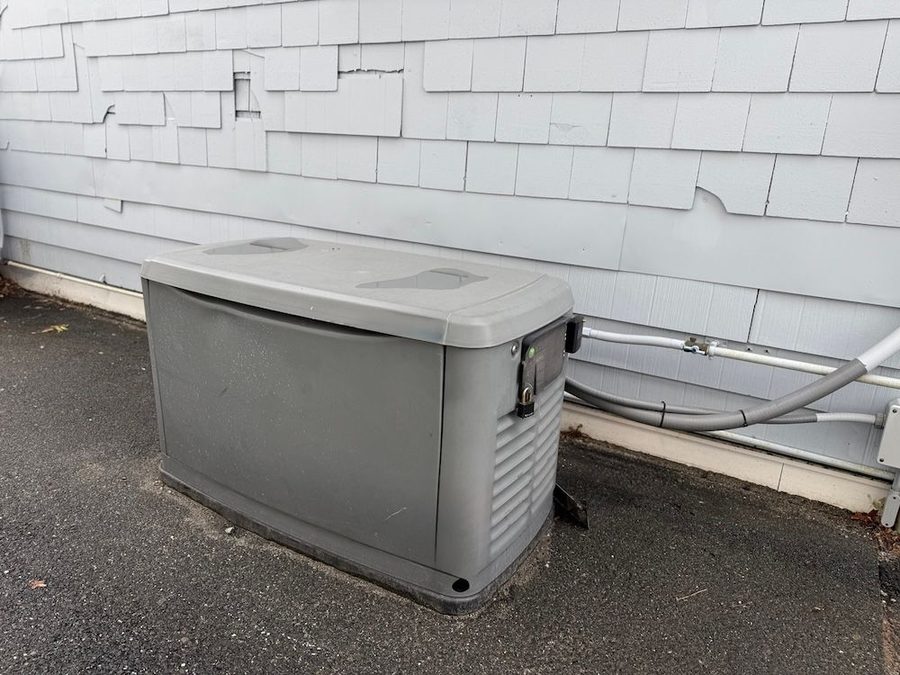
A standby generator is designed to provide backup power when utility service goes out, but it still requires proper maintenance to remain ready when you need it. Maryland winters can bring snow, ice, wind, and freezing temperatures, making fall a practical time to check your generator for potential problems.
You do not want to discover a starting problem, weak battery, or system fault after the power has already gone out. Paying attention to how your standby generator looks, sounds, and operates can help you recognize when professional service is needed. Here are five signs your generator may need attention before winter arrives.
Why Should You Check Your Standby Generator Before Winter?
You should check your standby generator before winter because starting problems, warning indicators, battery issues, fluid leaks, and other operating problems could interfere with its ability to provide backup power during an outage.
Standby generators may go long periods without providing emergency power. Many systems perform automatic exercise cycles, but a successful exercise does not necessarily mean every component is in ideal condition.
Maintenance requirements also vary by generator manufacturer, model, operating hours, and conditions. Following the manufacturer’s maintenance schedule and addressing unusual operation can help keep the system prepared for winter.
1. Your Generator Shows a Warning Light or Error Code
Modern standby generators often use indicator lights, digital displays, alerts, or error codes to communicate their status.
Some indicators may simply remind you that routine maintenance is due. Others can indicate a fault that needs attention.
Don’t Ignore Generator Alerts
If a warning appears, consult the owner’s manual for information specific to your generator. Avoid repeatedly clearing an alert without determining why it appeared.
Some problems may involve components that homeowners should not attempt to access or repair, particularly electrical and fuel-system components.
If you cannot identify the alert, it returns after being cleared according to manufacturer instructions, or it indicates a system fault, schedule professional generator service.
2. Your Standby Generator Struggles to Start
A standby generator should be able to start when its controls call for operation. Difficulty starting is an important warning sign to address before winter.
You might notice that the generator:
-
Fails to start during an exercise cycle
-
Cranks without starting
-
Takes longer than usual to start
-
Starts and then shuts down
-
Makes repeated attempts to start
Several different problems can produce similar symptoms, including battery, fuel, ignition, sensor, control, or other mechanical and electrical issues.
Cold Weather Can Make Starting Problems More Noticeable
Batteries can be more challenged in cold conditions, making an aging or weak generator battery particularly important to identify before winter.
However, a starting problem should not automatically be blamed on the battery. Professional troubleshooting can identify the actual cause and determine the appropriate repair.
3. Your Generator Makes New or Unusual Noises
Standby generators naturally make noise when operating, so hearing the generator run does not necessarily indicate a problem.
The important question is whether it sounds different than it normally does.
Pay attention to new:
-
Grinding
-
Knocking
-
Rattling
-
Squealing
-
Excessive vibration
-
Other unusual mechanical sounds
New noises can have many possible causes, from loose components to mechanical problems. Continuing to operate equipment that is clearly behaving abnormally could allow an existing problem to worsen.
If you notice a significant change in how your generator sounds or operates, follow the manufacturer’s shutdown guidance when appropriate and arrange for professional service.
4. You See Fluid Leaks, Corrosion, or Visible Damage
You can learn a lot about generator condition through a basic visual inspection from outside the unit.
Walk around the generator and look for obvious changes such as:
-
Fluid underneath or around the generator
-
Corrosion
-
Damage to the enclosure
-
Loose or visibly damaged exterior components
-
Leaves or debris collecting around the unit
-
Evidence of pest or animal activity
-
Vegetation interfering with required clearances
Do not open electrical or fuel-system components while performing your inspection.
Keep the Area Around Your Generator Clear
Standby generators require appropriate airflow and exhaust clearances. Leaves, vegetation, stored items, snow, and other materials should not obstruct the areas the manufacturer requires to remain clear.
Never build an improvised cover or enclosure around a standby generator. Follow the installation and clearance requirements for your specific equipment.
If you suspect a natural gas or propane leak, stay away from the area and follow the emergency instructions provided by your gas utility or fuel supplier.
5. Your Generator Is Overdue for Maintenance
Your generator does not need to show an obvious symptom before it receives maintenance.
Like other engine-driven equipment, standby generators have manufacturer-specified service requirements. The appropriate schedule can depend on the model, operating hours, age, and conditions.
If you cannot remember the last time the generator was professionally serviced or you do not know its maintenance history, consider having it inspected before winter.
What Does Standby Generator Maintenance Include?
Exact maintenance procedures vary by system, but professional generator service may include checking or servicing:
-
Engine oil
-
Oil and air filters
-
Battery condition
-
Electrical connections
-
Controls and status indicators
-
Air intake and exhaust areas
-
Fuel-system components
-
Exercise operation
-
Fault or maintenance history
A technician can also identify model-specific maintenance requirements rather than relying on a universal generator maintenance checklist.
What If Your Generator Runs but the House Doesn’t Receive Backup Power?
A generator that starts successfully has only completed part of the backup power process.
A standby system typically works with an automatic transfer switch that transfers the appropriate electrical loads from utility power to generator power during an outage.
Potential warning signs include a generator that starts while expected circuits remain without power or a system that shuts down when electrical loads are applied.
Problems could involve the transfer equipment, controls, electrical connections, generator capacity, or other components.
Do not open the transfer switch or electrical panels to investigate. These components can present serious electrical hazards and should be evaluated by a qualified professional.
Can Maryland Winter Weather Affect a Standby Generator?
Cold temperatures and winter precipitation can create additional considerations for generator operation.
A battery that performed adequately during warmer weather may have more difficulty in cold conditions. Snow and ice can also accumulate around outdoor equipment.
After snow or ice, visually check your generator from a safe location. Make sure snowdrifts, leaves, ice, or debris are not obstructing areas that need to remain clear for ventilation and exhaust.
Follow manufacturer requirements for clearance around the unit. Avoid aggressively chipping ice against the generator or placing covers, tarps, or other objects over operating equipment.
Should You Test Your Standby Generator Before Winter?
Homeowners can monitor normal automatic exercise cycles and check generator status indicators, but additional testing should follow the manufacturer’s instructions.
Pay attention during an exercise cycle. Did the generator start normally? Does it sound the way it usually does? Are warning indicators present afterward?
Do not intentionally create unsafe electrical conditions to simulate an outage or open electrical equipment to test the transfer process.
Professional generator service can provide a more complete evaluation when you have concerns about whether the system will operate correctly.
When Should You Schedule Generator Service?
Consider professional standby generator service if:
-
A warning light or error code appears
-
The generator fails an exercise cycle
-
Starting becomes slow or unreliable
-
New noises or vibrations develop
-
You notice leaks, corrosion, or damage
-
Backup power does not transfer properly
-
Maintenance is overdue
-
You do not know the generator’s service history
Addressing these concerns during fall gives you an opportunity to resolve problems before Maryland winter weather creates a greater need for backup power.
Prepare Your Standby Generator for a Maryland Winter With Chesapeake Electric
Your standby generator is there for the moments when utility power is unavailable. Warning lights, starting trouble, unusual noises, visible damage, and overdue maintenance are all reasons to give the system attention before winter.
If you want to make sure your standby generator is ready for the colder months ahead, contact Chesapeake Electric for professional standby generator service and electrical support in Maryland. Scheduling service before winter can help identify potential problems before the next power outage puts your backup system to the test.
Recent Posts
5 Electronics and Appliances You’ll Want Protected From Fall Power Surges
September 22, 2026
September 22, 2026

Are Your Walkways Too Dark? Fall Outdoor Lighting Tips for Maryland Homeowners
September 22, 2026
September 22, 2026

Best Outdoor Lighting for Maryland Homes: A Guide to Landscape, Security, and Waterfront Lighting
August 31, 2026
August 31, 2026
Best Smart Home Upgrades for Maryland Homeowners: Where to Start
August 31, 2026
August 31, 2026
How Long Can a Whole-Home Generator Run During a Power Outage in Maryland?
August 31, 2026
August 31, 2026
Does Your Maryland Home Need a Service Panel Upgrade for an EV Charger?
July 30, 2026
July 30, 2026

Coastal Humidity & Energy Bills: Smart Home Automation for Maryland Homes
July 29, 2026
July 29, 2026