⚡ Power Outages Don't Wait - Neither Should You. Get $1000 OFF Standby Generator Installation Today! ⚡


Back to Blog
Partial Power During Maryland Outages: How a Manual Transfer Switch Keeps Essentials Running
December 19, 2025
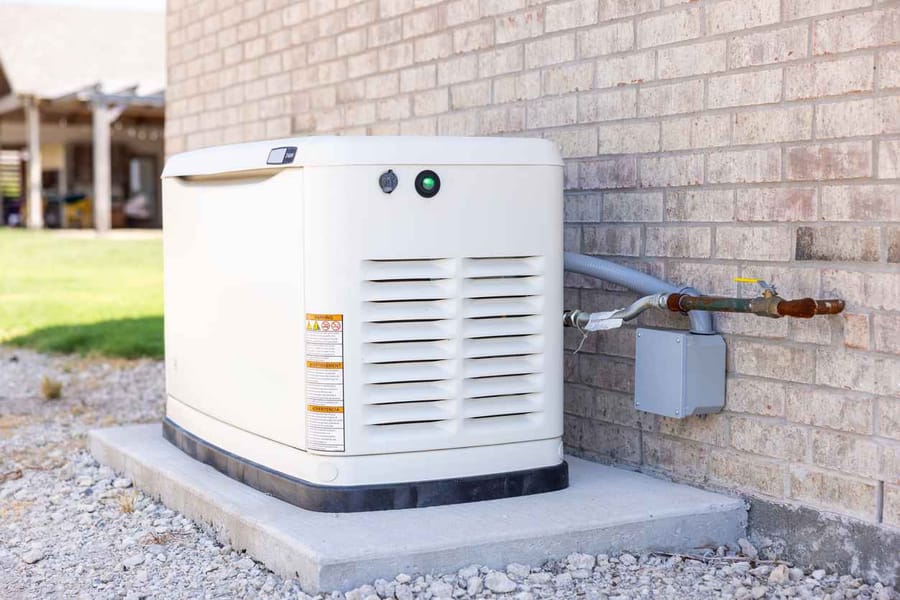
Power outages are a reality for many Maryland homeowners, whether caused by summer storms, winter weather, or grid interruptions. When the power goes out, most households do not need to run every appliance or system. What matters most is keeping essentials like refrigeration, lighting, internet, and medical devices operating until utility power is restored.
Partial power solutions offer a practical and cost effective way to stay comfortable and safe during outages. A manual transfer switch allows homeowners to direct generator power to selected circuits without the complexity or expense of a full home backup system. Understanding how manual transfer switches work and what they can power helps Maryland homeowners make informed decisions about protecting essential electricity during outages.
What Partial Power Means During an Outage
Partial power focuses on supplying electricity only to the most important areas of a home during an outage. Instead of attempting to run every circuit, homeowners choose specific essentials that support safety, comfort, and basic daily needs until power is restored.
Defining Essential Circuits in a Home
Essential circuits vary by household, but most Maryland homeowners prioritize systems that prevent food loss, maintain communication, and support health and safety.
Common essential circuits include:
-
Refrigerators and freezers
-
Select lighting circuits
-
Internet routers and phone chargers
-
Medical equipment or mobility devices
-
Sump pumps or well pumps
Why Partial Power Is Often the Practical Choice
Partial power solutions are often more affordable and easier to manage than full home backup systems. They reduce electrical load, simplify setup, and allow smaller generators to operate safely and efficiently.
Benefits of partial power include:
-
Lower equipment and installation costs
-
Faster setup during outages
-
Less strain on generators
-
Greater flexibility for different outage scenarios
What a Manual Transfer Switch Does
A manual transfer switch is a safety device that allows homeowners to connect a generator to selected circuits without risking electrical hazards. It creates a controlled way to switch power sources during an outage while protecting both the home and utility infrastructure.
How a Manual Transfer Switch Works
When utility power goes out, the manual transfer switch disconnects the home from the grid and connects chosen circuits to generator power. This process prevents electricity from flowing back into utility lines, which is dangerous and illegal.
Key functions include:
-
Safely isolating the home from the power grid
-
Directing generator power to selected circuits
-
Giving homeowners direct control during outages
Manual vs. Automatic Transfer Switches
Manual transfer switches require the homeowner to activate the switch during an outage, while automatic transfer switches engage on their own. Manual options are simpler and often preferred for partial power setups.
Key differences include:
-
Lower cost compared to automatic systems
-
Greater control over which circuits receive power
-
Ideal for portable or battery based generators
Why Manual Transfer Switches Are Ideal for Maryland Homes
Maryland homes vary widely in age, layout, and electrical design. Manual transfer switches offer flexibility that works well across this mix, making them a practical solution for many homeowners who want reliable partial power during outages.
Compatibility With Portable and Battery Generators
Manual transfer switches work with a wide range of generator types. This makes them a flexible option for homeowners who already own a generator or plan to use portable or battery based systems.
Compatible power sources often include:
-
Gasoline or propane portable generators
-
Inverter generators
-
Battery based generators
This flexibility allows homeowners to choose backup power options that fit their space, budget, and outage needs.
Fits Older Electrical Panels and Homes
Many Maryland homes have older electrical panels that are not well suited for full home standby generators. Manual transfer switches typically require fewer electrical upgrades, making installation easier and more cost effective.
Advantages for older homes include:
-
Minimal changes to existing electrical systems
-
Easier integration with older panels
-
Reduced installation time and complexity
What a Manual Transfer Switch Can Power During an Outage
A manual transfer switch is designed to keep essential circuits running without overloading a generator. Homeowners choose which systems matter most so power is used efficiently during an outage.
Common Essentials Homeowners Choose
Most Maryland homeowners focus on maintaining safety, communication, and basic comfort during outages.
Commonly powered essentials include:
-
Refrigerators and freezers
-
Sump pumps or well pumps
-
Select lighting circuits
-
Internet equipment and phone charging
-
Medical devices
Managing Electrical Load Safely
Managing load is critical when running on generator power. A manual transfer switch allows homeowners to control which circuits are active, helping prevent overloads and equipment damage.
Safe load management helps:
-
Extend generator runtime
-
Protect appliances and electronics
-
Avoid tripped breakers or shutdowns
Safety and Code Considerations
Safety is one of the most important reasons to install a manual transfer switch. Proper installation ensures backup power is delivered without creating hazards for homeowners or utility workers.
Why Transfer Switches Are Required by Code
Electrical codes require a transfer mechanism when connecting a generator to a home. This prevents backfeeding, which can energize utility lines and put workers at risk.
Code related benefits include:
-
Safe isolation from the utility grid
-
Protection for utility crews
-
Reduced risk of electrical fires
Importance of Professional Installation
Installing a manual transfer switch requires proper wiring and knowledge of local electrical codes. Professional installation ensures the system operates safely and reliably during every outage.
When a Manual Transfer Switch Makes the Most Sense
Manual transfer switches are ideal for homeowners who want dependable partial power without the cost or complexity of full home backup systems.
Short to Moderate Outages
Manual transfer switches are well suited for storm related outages or grid interruptions that last hours or a few days.
Homeowners Who Want Simple Backup Power
These systems are a great fit for homeowners who want control, flexibility, and safety without permanent generator installations.
Reliable Partial Power Solutions for Maryland Outages
Partial power solutions provide a practical way for Maryland homeowners to stay safe and comfortable during outages. A manual transfer switch allows essential circuits to keep running while avoiding the complexity and cost of full home backup systems. By directing generator power safely and efficiently, homeowners can protect food, maintain communication, and support health needs during grid interruptions.
Choosing the right setup and ensuring professional installation makes all the difference. A properly installed manual transfer switch provides peace of mind and reliable performance when outages occur.
For homeowners considering partial power solutions, Chesapeake Electric can help design and install a system that keeps essential power running safely and efficiently. Contact us today to learn more about our generator services!
Recent Posts
The Importance of Having a Home Generator in Annapolis
February 25, 2026
February 25, 2026

Why Annapolis Humidity and Coastal Air Corrode Your Home’s Electrical Panel
February 24, 2026
February 24, 2026
The Biggest Electrical Risks in Older Annapolis and Historic District Homes
February 24, 2026
February 24, 2026

How Maryland’s Seasonal Nor’easters Stress Older Backup Power Systems
January 23, 2026
January 23, 2026
The Annapolis Homeowner’s Diagnostic: Is Your Generator a “Quick Fix” or a Safety Risk?
January 22, 2026
January 22, 2026
The Best Battery Backups for Historic Districts: An EcoFlow vs. Generac Comparison
January 21, 2026
January 21, 2026

Backup Power for Historic Annapolis Homes: How EcoFlow Generators Fit Where Traditional Generators Can’t
December 19, 2025
December 19, 2025